Humpback Whale Awareness Month
United States, Canada, Australia, New Zealand
About
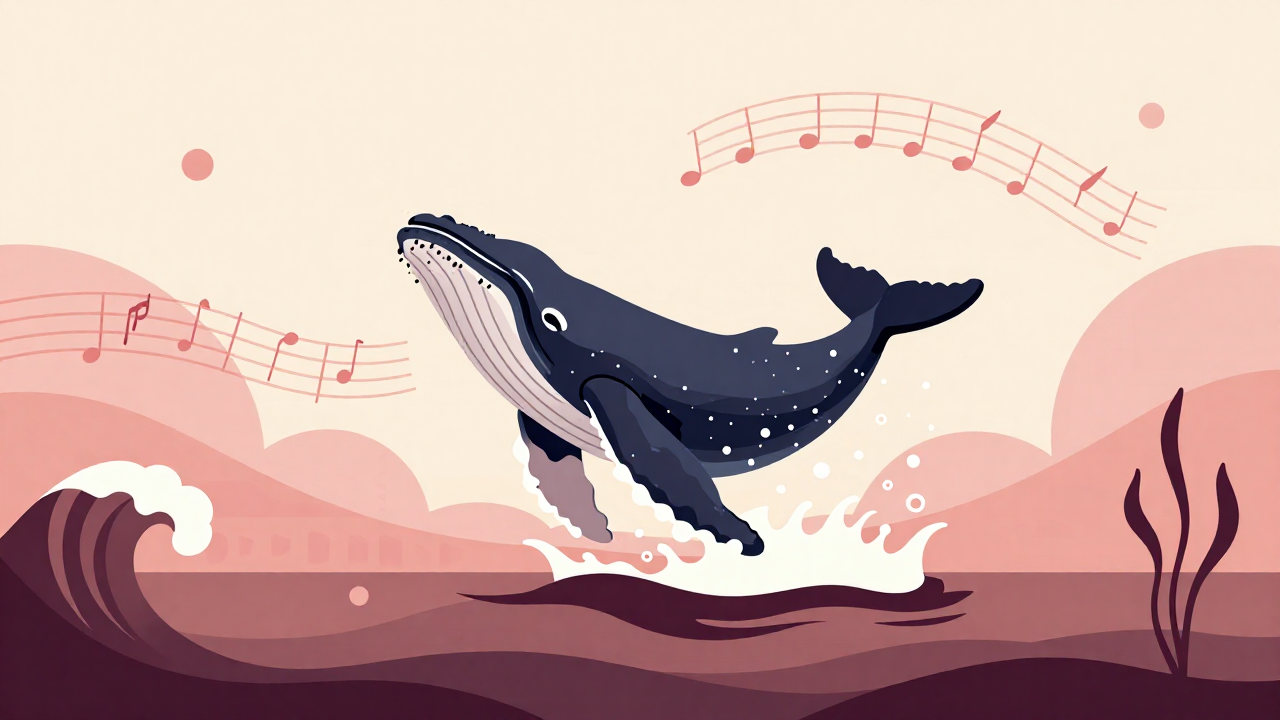
Humpback Whale Awareness Month invites us to dive into the enchanting world of one of nature's most magnificent marine mammals. Celebrated throughout February, this observance shines a spotlight on the majestic humpback whale, known for its acrobatic displays and haunting songs that resonate across the ocean. As we take this month to learn about these incredible creatures, we also reflect on the importance of ocean conservation and the vital role humpback whales play in maintaining the health of marine ecosystems.
During Humpback Whale Awareness Month, communities, schools, and conservation organizations come together to promote awareness and appreciation of these gentle giants. Activities often include educational programs, beach cleanups, and whale-watching excursions, providing opportunities for individuals of all ages to connect with nature and support the efforts to protect these awe-inspiring animals. By fostering a deeper understanding of humpback whales and their habitats, we can inspire collective action towards their preservation, ensuring that future generations can also marvel at their beauty and grace.
History
Humpback Whale Awareness Month is observed throughout February to raise awareness about the majestic humpback whale and the conservation efforts needed to protect this species. The origins of this observance can be traced back to the growing concerns in the late 20th century regarding the decline of whale populations due to commercial whaling, habitat degradation, and climate change. As advocacy for marine life gained momentum, organizations dedicated to ocean conservation recognized the need to promote awareness specifically about humpback whales, which have a significant role in marine ecosystems.
Over time, Humpback Whale Awareness Month has evolved from a grassroots effort into a recognized observance supported by various environmental organizations, educational institutions, and marine parks. Educational programs and campaigns are often conducted during this month, focusing on the biology, migration patterns, and behaviors of humpback whales. These initiatives aim not only to inform the public about the challenges these whales face but also to inspire action toward their conservation. The observance has also been linked to broader environmental awareness movements, highlighting the interconnectedness of marine health and climate issues.
Culturally, Humpback Whale Awareness Month serves as a reminder of humanity's relationship with the ocean and its inhabitants. Humpback whales are often celebrated for their acrobatic breaches, haunting songs, and complex social structures, making them a symbol of the beauty and mystery of marine life. The month encourages communities to engage in activities such as whale watching, educational workshops, and beach clean-ups, fostering a sense of stewardship for the oceans. It also aligns with other marine awareness campaigns, enhancing public engagement and advocacy for policies aimed at protecting marine habitats.
Overall, Humpback Whale Awareness Month plays a crucial role in promoting ecological consciousness and fostering a deeper understanding of marine ecosystems. By dedicating February to this observance, advocates hope to inspire individuals to contribute to the conservation efforts that ensure the survival of humpback whales and the overall health of our oceans for future generations.