Herbal / Prescription Interaction Awareness Month
United States
About
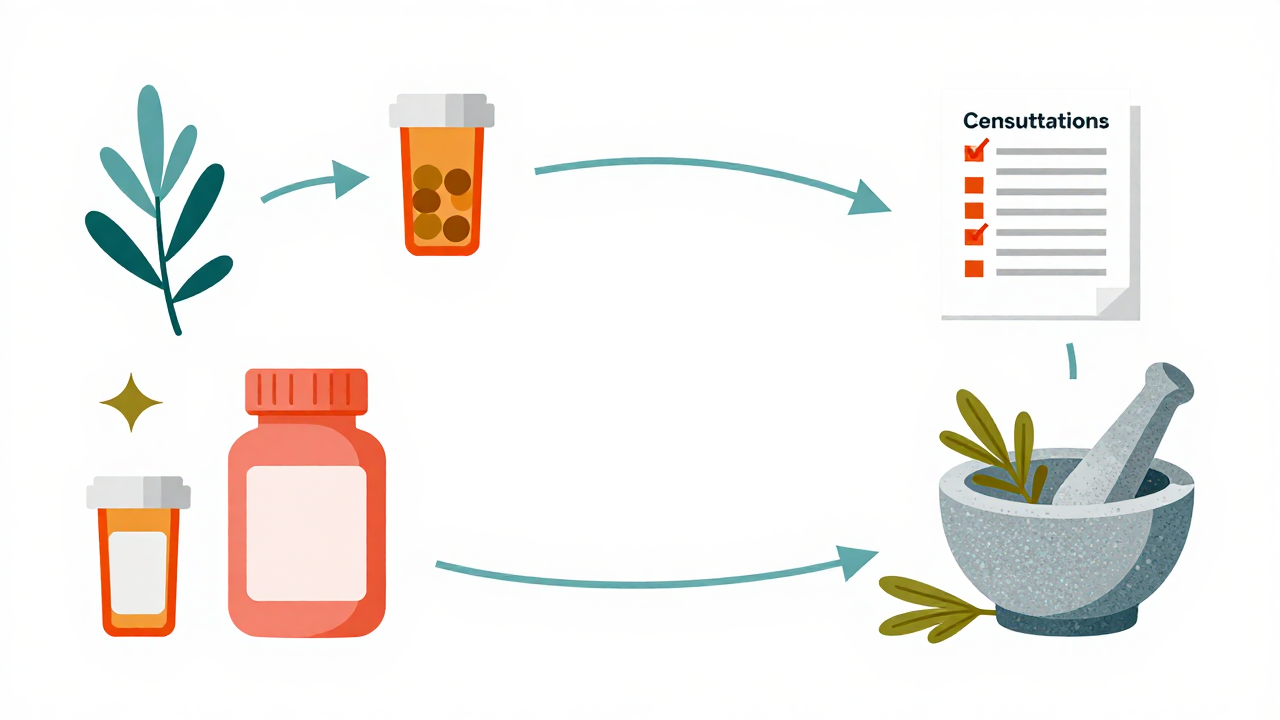
Herbal / Prescription Interaction Awareness Month is observed throughout July as a reminder that “natural” products can still affect the way prescription medicines work. Herbal supplements, vitamins, and other over-the-counter products may change how a medication is absorbed, processed, or tolerated, potentially reducing its effectiveness or increasing side effects.
Throughout the month, people are encouraged to have open conversations with doctors, pharmacists, and other healthcare professionals about everything they take—including teas, supplements, and traditional remedies. Keeping an up-to-date list of medications and asking questions before starting a new product can help support safer, more informed healthcare choices. July offers an opportunity to build awareness and make medication safety a shared part of everyday wellness.
History
Herbal / Prescription Interaction Awareness Month is observed throughout July to promote understanding of the possible effects of combining herbal products with prescription medicines. Its subject emerged from a broader change in health care: as the use of herbal remedies, botanicals, vitamins, and other supplements expanded during the late 20th century, researchers and public-health agencies increasingly examined how these products could alter the action of conventional drugs. The observance reflects that developing awareness rather than commemorating one particular historical event.
The medical background reaches back further. Plants have long been used in traditional healing systems, while modern pharmacology has also derived important medicines from natural compounds. However, “natural” does not necessarily mean risk-free. By the 1990s and early 2000s, improved clinical research and safety reporting drew greater attention to interactions involving products such as St. John’s wort, ginkgo, ginseng, garlic supplements, and other widely used botanicals. St. John’s wort, for example, became well known for reducing the effectiveness of certain prescription medicines by affecting drug metabolism. These findings helped establish the need for patients and clinicians to discuss supplement use as part of a complete medication history.
Over time, the focus of the observance has broadened from warning about a few prominent herbs to encouraging routine communication and evidence-based decision-making. Health authorities, pharmacists, and medical organizations now emphasize reading product labels, checking for duplicate ingredients, reporting adverse effects, and consulting qualified health professionals before combining supplements with prescription or over-the-counter drugs. Particular caution is important for people taking medicines with a narrow safety range, those preparing for surgery, pregnant or nursing individuals, and people managing chronic conditions.
The cultural significance of Herbal / Prescription Interaction Awareness Month lies in its effort to bridge traditional approaches to health and modern medical practice without dismissing either. It recognizes that many people use herbal products because of family traditions, cultural beliefs, personal experience, or dissatisfaction with conventional treatment, while also stressing that informed choices require reliable safety information. Throughout July, the observance encourages respectful conversations between patients and health professionals and reinforces a central public-health message: every substance used for health purposes—including a plant-based product—should be considered when evaluating possible benefits, risks, and drug interactions.