Haitian Flag Day
Haiti, United States, Canada, Dominican Republic
About
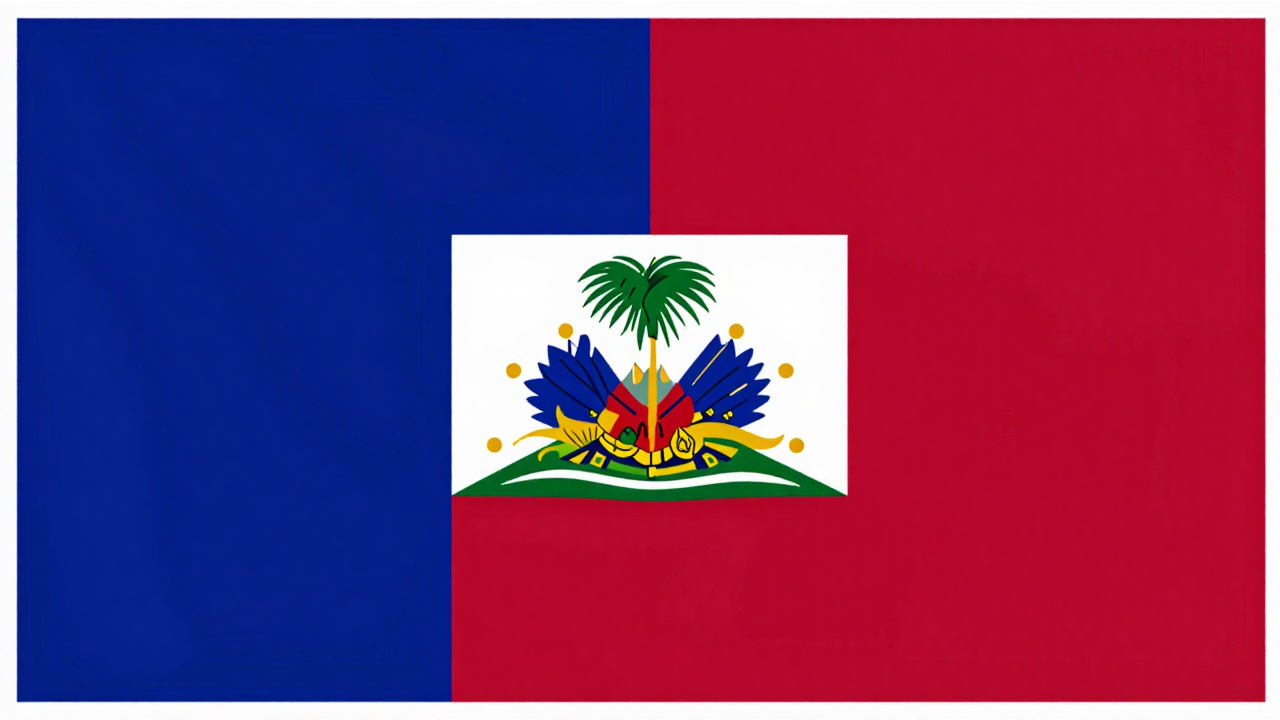
Haitian Flag Day, celebrated on May 18, is a vibrant and heartfelt observance that pays tribute to the national flag of Haiti and the rich history of the nation it represents. This day marks the anniversary of the creation of the flag in 1803, symbolizing the struggle for independence and the unity of the Haitian people. Festivities typically include colorful parades, cultural performances, and community gatherings, where people come together to express pride in their heritage and celebrate the resilience of their nation.
As the blue and red colors of the flag wave proudly, Haitians honor their ancestors who fought bravely for freedom. The day serves not only as a reminder of the past but also as a celebration of the present and future of Haiti. Families and friends often share traditional foods, music, and stories, reinforcing the bonds of community and the importance of cultural identity. Whether through joyful festivities in the streets or intimate gatherings at home, Haitian Flag Day is a time for reflection, pride, and togetherness, bringing to life the spirit of a nation that continues to inspire.
History
Haitian Flag Day, celebrated annually on May 18, commemorates the creation of the national flag of Haiti in 1803. This date is significant in Haitian history as it marks the moment when the flag was officially adopted during the Haitian Revolution, a struggle for independence from French colonial rule. The flag's design features two horizontal bands of blue and red, symbolizing the unity of the Black and Mulatto populations of Haiti, who fought together for freedom and equality. The flag was first hoisted by Haitian revolutionary leader Jean-Jacques Dessalines, who played a pivotal role in the nation's fight for sovereignty.
Over the years, Haitian Flag Day has evolved from a simple recognition of a national symbol to a celebration of Haitian identity and cultural pride. Initially observed by military leaders and revolutionaries, it gradually gained popularity among the general populace. The day serves not only as a reminder of Haiti’s struggle for independence but also as a time for national reflection on unity, resilience, and patriotism. The observance has been marked by various festivities, including parades, cultural performances, and educational activities, fostering a sense of community and national pride among Haitians both at home and in the diaspora.
Culturally, Haitian Flag Day is significant as it encapsulates the spirit of the Haitian Revolution and the country's enduring quest for self-determination. The flag itself has become a powerful emblem of resistance and national pride, representing the rich history and diverse culture of Haiti. Celebrations often include traditional music, dance, and art that highlight the nation’s heritage, with many citizens donning the national colors in displays of solidarity. The day is also an opportunity for Haitians to come together, reinforcing social bonds and collective identity, especially in the face of challenges the country has faced over the years.
In recent years, Haitian Flag Day has gained international recognition, with events organized in various countries where Haitian communities reside. This global observance emphasizes the importance of heritage and cultural pride, bridging connections among Haitians worldwide. As the holiday continues to grow in significance, it remains a vital expression of national pride and an affirmation of the country’s resilience, celebrated with fervor each May 18.