Georgia Independence Day
Georgia
About
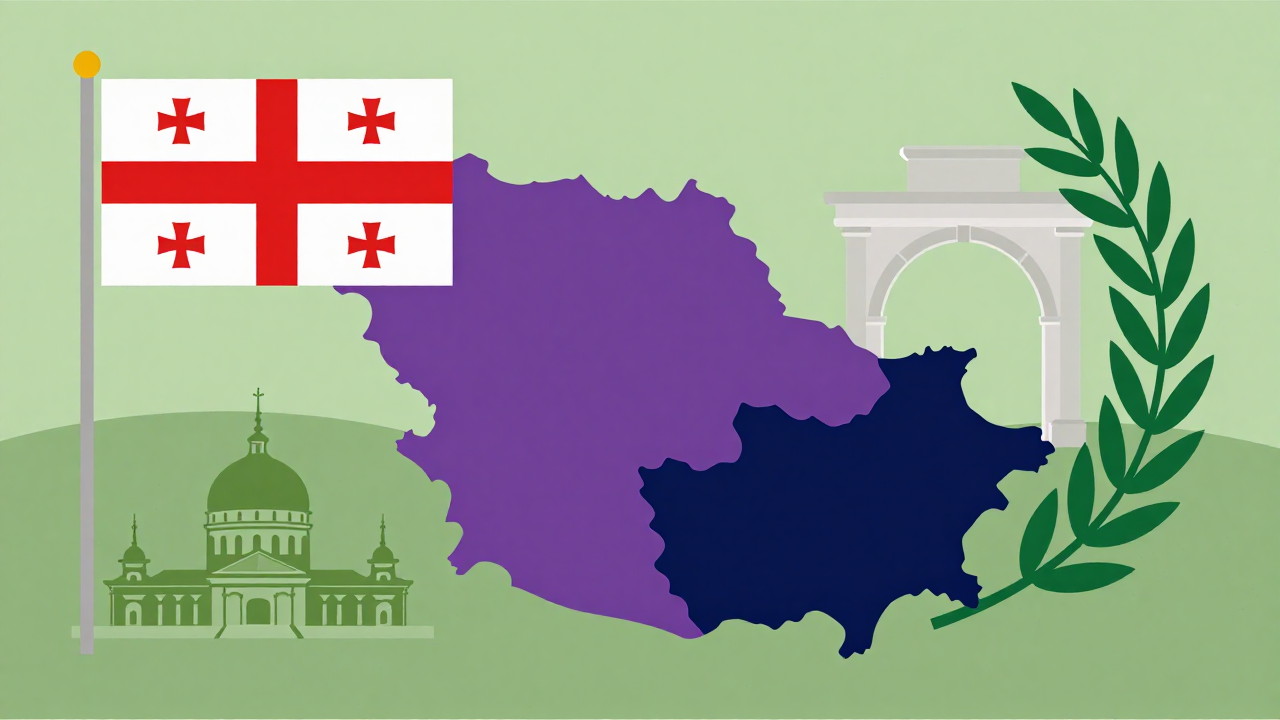
Georgia Independence Day, celebrated on May 26, is a significant occasion for the people of Georgia, marking the day in 1918 when the nation declared its independence from the Russian Empire. This momentous event set the stage for Georgia to assert its identity and sovereignty, paving the way for a future rooted in self-determination and national pride. Each year, Georgians come together to honor this pivotal chapter in their history, reflecting on the struggles and triumphs that have shaped their nation.
The observance of Georgia Independence Day is not just a remembrance of past events; it is also a celebration of the vibrant culture and rich heritage of the Georgian people. Festivities often include parades, cultural performances, and various community gatherings that bring together families and friends. It’s a time for reflection on the values of freedom and unity, as well as an opportunity to share in traditional foods and music that highlight the unique character of Georgia. As the day approaches, the spirit of patriotism fills the air, reminding everyone of the importance of their independence and the journey that has led them to where they are today.
History
Georgia Independence Day, observed on May 26, commemorates the declaration of independence of the Democratic Republic of Georgia in 1918. This significant event marked a pivotal moment in the nation's history, as it emerged from the chaos following the Russian Revolution and sought to establish itself as a sovereign state. The declaration was made by the National Council of Georgia, which aimed to affirm the country's autonomy and create a distinct national identity separate from the influence of its larger neighbor, Russia.
The origins of Georgia Independence Day can be traced back to the complex socio-political landscape of the early 20th century. Following the collapse of the Russian Empire during World War I, various ethnic groups within the empire, including Georgians, sought self-determination. On May 26, 1918, the National Council declared Georgia's independence, leading to the establishment of the Democratic Republic of Georgia. However, this independence was short-lived, as the country faced multiple challenges, including the threat of foreign intervention and internal strife. In 1921, Georgia was invaded by Soviet forces, leading to the incorporation of the region into the Soviet Union, which significantly impacted its national identity and autonomy.
Over the decades, Georgia's struggle for independence continued. The collapse of the Soviet Union in 1991 created a renewed opportunity for Georgia to assert its sovereignty. On April 9, 1991, the Supreme Council of Georgia declared independence from the Soviet Union, further solidifying the significance of May 26. In the years that followed, Georgia celebrated its independence not only as a national holiday but also as a symbol of resilience and the enduring spirit of its people. The observance evolved to include various festivities, such as parades, concerts, and cultural exhibitions, which highlight Georgia's rich heritage and diverse traditions.
Today, Georgia Independence Day serves as a reminder of the nation's tumultuous journey toward self-governance and its commitment to preserving its cultural identity. The day is marked by patriotic expressions and gatherings, drawing attention to the importance of freedom and democracy. As Georgia continues to navigate its path in the modern geopolitical landscape, May 26 remains a significant date for both reflection and celebration, embodying the aspirations of its citizens for a prosperous and independent future.