Genius Day
About
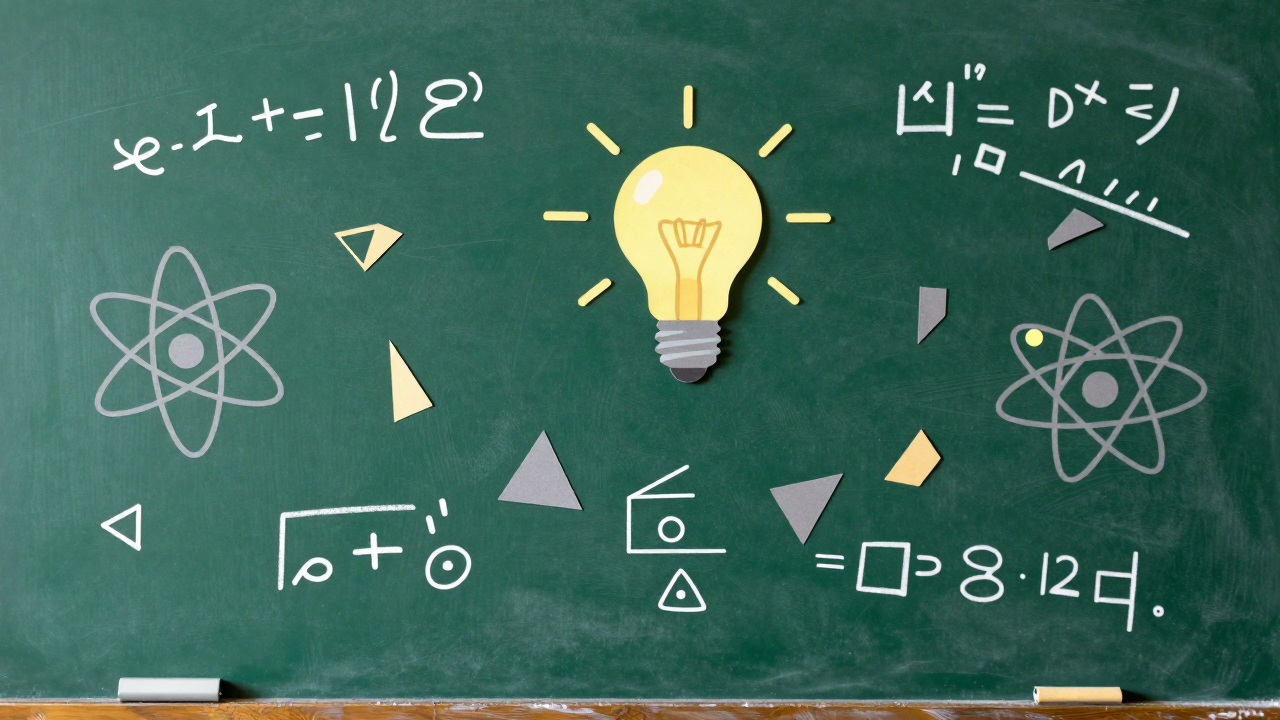
Genius Day, celebrated on March 14, is a delightful occasion that honors the brilliance of human intellect and creativity. This special day is particularly significant as it coincides with the birth anniversary of the legendary physicist Albert Einstein, a man whose groundbreaking theories and innovative thinking revolutionized our understanding of the universe. Genius Day serves as a reminder to celebrate not only the achievements of geniuses like Einstein but also to recognize the potential for greatness that resides in each one of us.
On this day, communities and individuals are encouraged to engage in activities that inspire curiosity and creativity. Whether it’s organizing science fairs, hosting discussions on innovative ideas, or simply taking the time to explore new concepts, Genius Day is all about nurturing the genius within. It’s a wonderful opportunity for people of all ages to reflect on the importance of creativity, critical thinking, and the pursuit of knowledge, making it a perfect occasion for educational institutions and families to come together and inspire the next generation of thinkers and innovators. So, mark your calendars for March 14 and join in the celebration of genius in all its forms!
History
Genius Day is observed annually on March 14, aligning with the celebration of Albert Einstein's birthday. This date was chosen not only to honor the renowned physicist but also to promote the ideas of creativity and intellectual achievement that he embodied. Einstein, born on March 14, 1879, is often regarded as one of the most influential scientists of the 20th century, best known for his contributions to the field of theoretical physics, particularly the theory of relativity. The observance of Genius Day serves as a reminder of the importance of intellectual curiosity and innovation, inspiring individuals to embrace their own creativity and potential.
The concept of Genius Day began to take shape in the early 21st century, coinciding with a growing interest in celebrating science and intellectual achievements. The day became an opportunity to reflect on the impact of great thinkers throughout history and to encourage a culture that values education and critical thinking. As social media and educational initiatives gained traction, the observance evolved into a broader celebration that highlights not only Einstein's legacy but also the contributions of many other brilliant minds across various fields, including mathematics, literature, and the arts.
Culturally, Genius Day emphasizes the significance of nurturing talent and fostering creativity in society. It serves as a platform for educators, students, and innovators to engage in discussions about the importance of intellectual pursuits, encouraging communities to recognize and support emerging talents. Schools and organizations may host events that promote STEM (science, technology, engineering, and mathematics) education, creativity workshops, and discussions about historical figures who have shaped our understanding of the world. These activities not only honor Einstein's legacy but also inspire the next generation of thinkers and creators.
As Genius Day continues to grow in popularity, it has become a day for individuals to engage in activities that stimulate their intellect and creativity. Whether through reading influential works, participating in science fairs, or simply reflecting on personal goals and aspirations, the observance of Genius Day on March 14 serves as a reminder of the power of human ingenuity. By celebrating genius in all its forms, this day encourages a collective pursuit of knowledge and innovation, fostering a culture that values and nurtures the potential within each of us.