Genealogy Day
United States, Canada, Australia
About
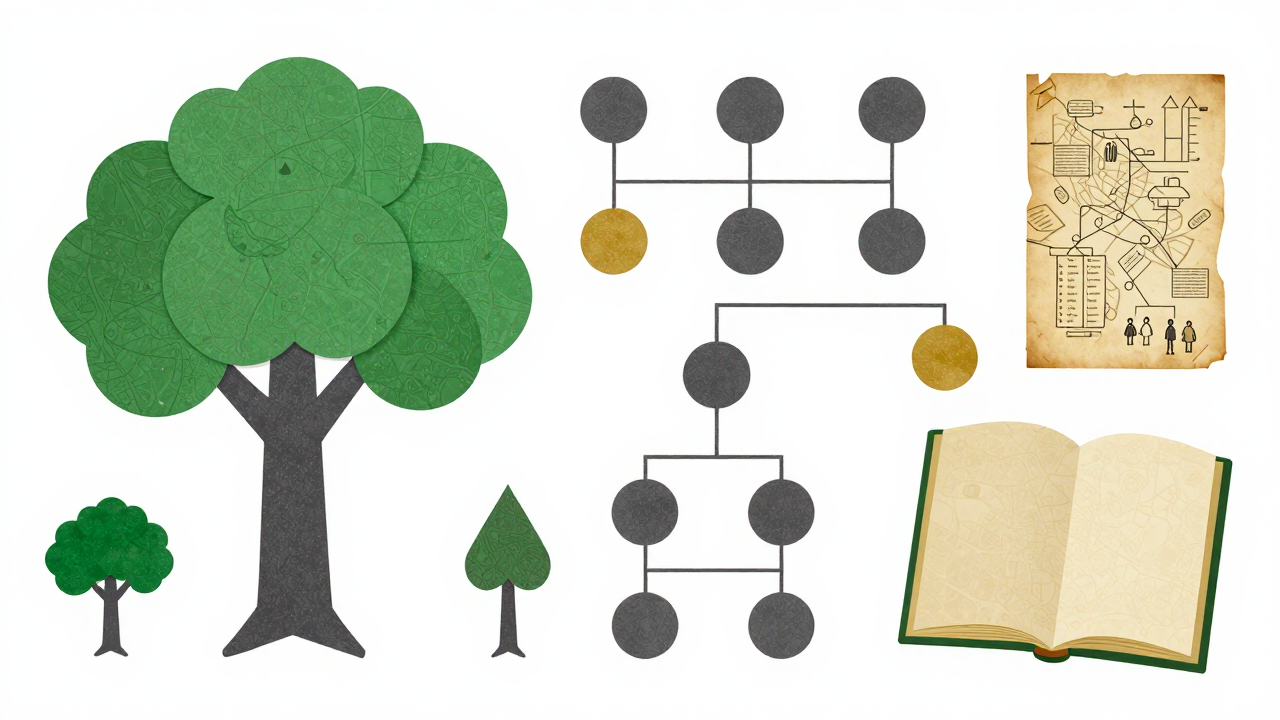
Genealogy Day, celebrated on March 13, invites us to embark on a fascinating journey into the past, uncovering the stories and connections that have shaped our family histories. It’s a day dedicated to exploring our roots, honoring the lives of those who came before us, and appreciating the rich tapestry of our ancestry. Whether you’re a seasoned genealogist or just starting out, this observance encourages everyone to delve into their family trees, share stories, and discover the legacies that continue to influence our lives today.
As you commemorate Genealogy Day, consider gathering with family and friends to share stories, swap research tips, or even work together on building a family tree. Many people find joy in piecing together their heritage through old photographs, letters, and documents, or by utilizing online resources and databases. This day serves as a wonderful reminder of the importance of knowing where we come from and the bonds that tie us together across generations. So, on March 13, take a moment to reflect on your lineage, celebrate your unique history, and perhaps even inspire future generations to continue the exploration of their own roots.
History
Genealogy Day, observed annually on March 13, serves as a celebration of the exploration and understanding of family history and heritage. The observance emerged from a growing interest in genealogy throughout the late 20th century, fueled by advancements in technology and access to historical records. As individuals became more curious about their ancestry, various organizations and societies that focused on genealogy began to promote the importance of family connections and heritage, leading to the establishment of a dedicated day to honor this pursuit.
The origins of Genealogy Day can be traced back to the efforts of genealogists and historians who recognized the value of discovering one’s roots. By the early 2000s, the internet had revolutionized the field of genealogy, allowing individuals to access vast archives of records and connect with distant relatives worldwide. This digital transformation made genealogy more accessible, inspiring many to engage in research about their family backgrounds. The celebration on March 13 was formalized to encourage individuals to delve into their family histories, fostering a sense of identity and continuity across generations.
Over time, Genealogy Day has evolved into an occasion for educational events, workshops, and community gatherings, where enthusiasts share resources and techniques for tracing their lineage. Libraries, historical societies, and genealogical organizations often host activities to help people start or continue their family research. This observance emphasizes not only the joy of uncovering personal stories but also the importance of preserving family legacies for future generations.
Culturally, Genealogy Day highlights the significance of family narratives and collective memory. Understanding one’s ancestry can enhance personal identity and foster connections among family members, bridging gaps that may have formed over time. The observance encourages reflection on the broader historical contexts that have shaped individual experiences and promotes the appreciation of cultural diversity by recognizing the varied heritages that exist within families. As communities come together to celebrate Genealogy Day on March 13, they reinforce the notion that everyone has a unique story worth exploring and sharing.