Gambia Independence Day
Gambia
About
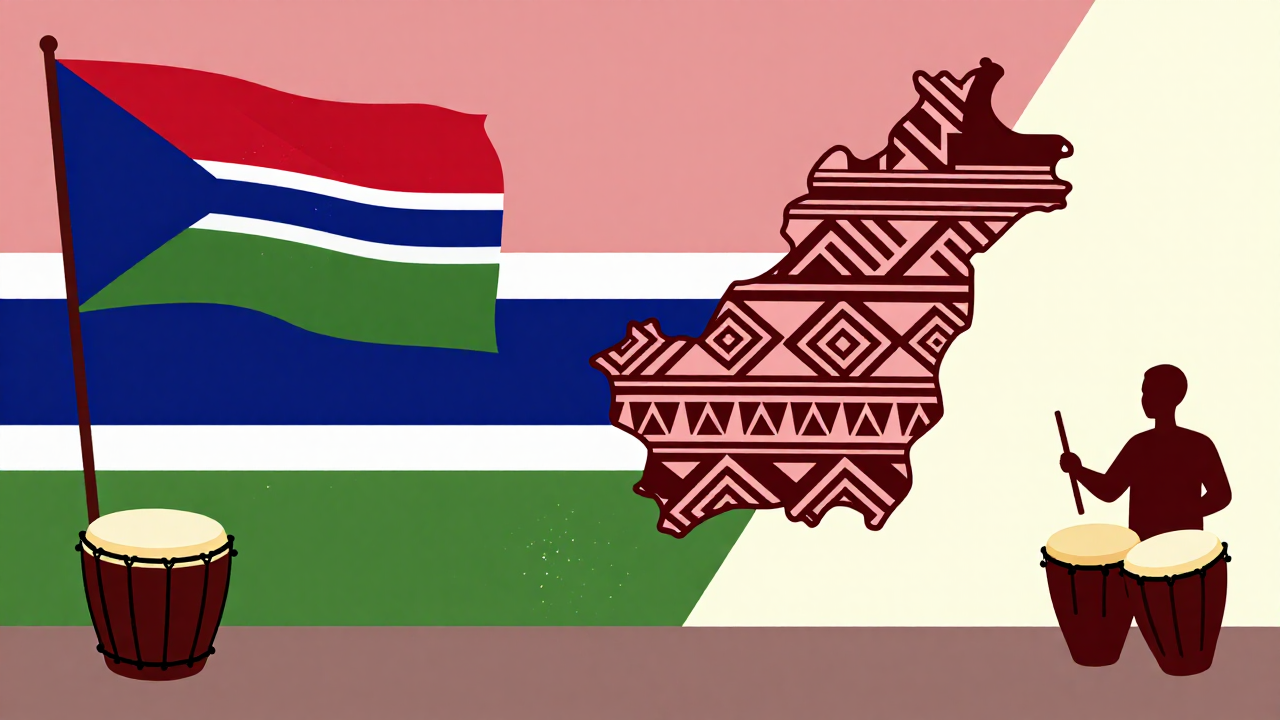
Gambia Independence Day, celebrated on February 18, marks a significant milestone in the history of The Gambia, as it commemorates the day in 1965 when the country gained independence from British colonial rule. This momentous occasion reflects the resilience and determination of the Gambian people, who fought for their freedom and sovereignty. Each year, the day is filled with vibrant celebrations that showcase the rich cultural heritage of this West African nation, with parades, traditional music, and dance performances bringing communities together in a joyous atmosphere.
On this special day, Gambians take pride in their national identity and reflect on the journey toward self-governance. The festivities often include speeches from dignitaries, highlighting the importance of unity and progress in the nation’s ongoing development. Families and friends gather to enjoy traditional dishes and share stories of their history, reinforcing the bonds that tie them to their roots. Gambia Independence Day is not just a celebration of freedom; it is a heartfelt reminder of the collective spirit that continues to drive the country forward, fostering hope and aspirations for future generations.
History
Gambia Independence Day, celebrated on February 18, marks a significant milestone in the history of The Gambia, as it commemorates the nation's independence from British colonial rule in 1965. The journey toward independence began in the early 20th century, as a growing nationalist movement emerged, driven by the desire for self-governance and the end of colonial exploitation. The Gambia was a British protectorate from the late 19th century, and the push for independence was fueled by global decolonization trends following World War II. The Gambian People's Party, founded in 1959, played a pivotal role in advocating for self-rule, eventually leading to the establishment of a constitutional framework that allowed for greater political participation.
The path to independence was marked by negotiations and political maneuvering. In 1962, Gambia held its first elections, leading to the formation of a government that began to assert its rights. The culmination of these efforts came on February 18, 1965, when The Gambia officially gained independence from British rule. The day is celebrated nationwide with various events, including parades, cultural performances, and speeches that highlight the sacrifices made for freedom and the progress since independence.
Over the years, Gambia Independence Day has evolved into a celebration of national identity and unity. It serves not only as a reminder of the country’s historical struggles but also as an opportunity to reflect on the achievements of the nation and the ongoing challenges it faces. The observance fosters a sense of pride among Gambians, reinforcing the importance of solidarity and cooperation in building a prosperous future. As the country continues to navigate its post-independence journey, this day serves as a rallying point for citizens to come together in celebration of their shared heritage.
Culturally, Gambia Independence Day showcases the rich tapestry of Gambian traditions, featuring performances of music and dance that are integral to the country's identity. The observance is marked by the display of the national flag, symbolizing unity and freedom. Educational programs and community gatherings also play a vital role, as they promote awareness of the historical context of independence and the significance of civic participation. Overall, February 18 remains a day of remembrance, celebration, and reflection, embodying the spirit of resilience and hope for the future of The Gambia.