From Africa to Virginia Month
United States
About
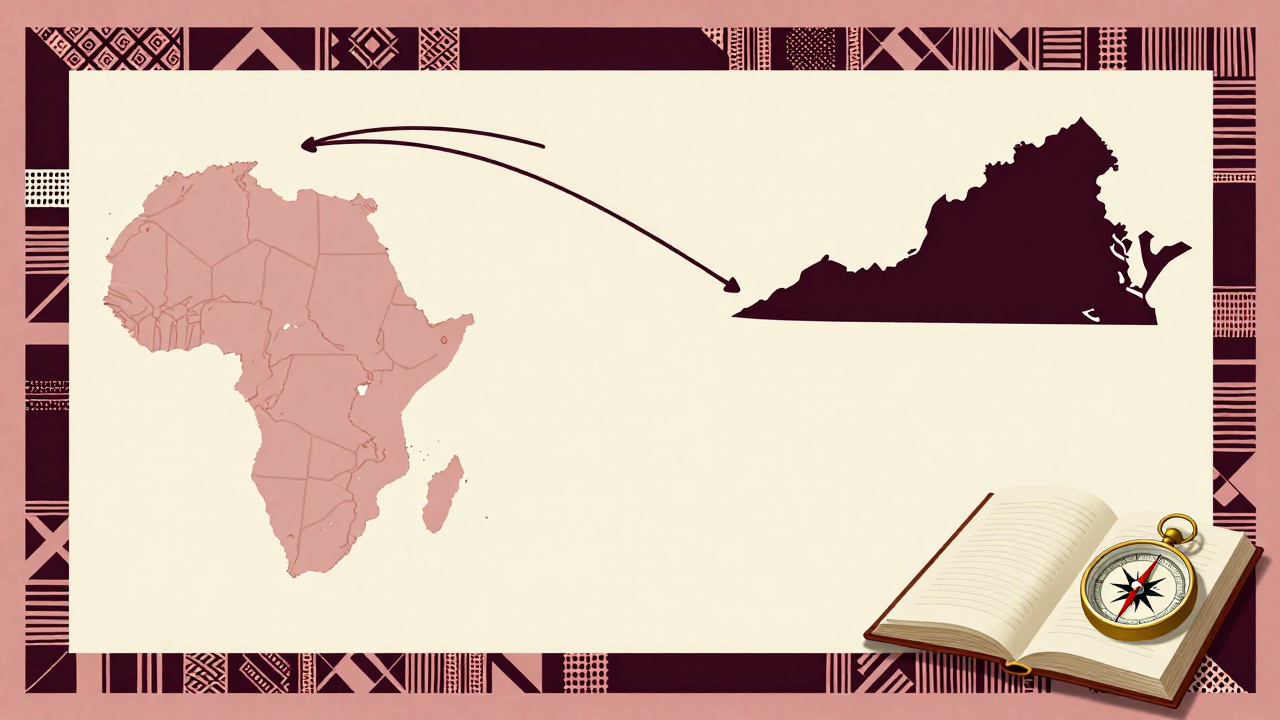
February is a time to honor and celebrate the rich cultural heritage and contributions of African Americans, particularly focusing on the historical journey from Africa to Virginia. From Africa to Virginia Month invites individuals and communities to reflect on the significant role that this journey has played in shaping American history and culture. This observance encourages people to explore the stories, traditions, and achievements of those who have made this transformative journey, fostering a deeper understanding of the resilience and strength that characterizes African American history.
Throughout the month, various events and activities take place, providing opportunities for education, storytelling, and connection. Schools, community centers, and organizations may host workshops, lectures, and performances that highlight the diverse experiences and contributions of African Americans. As you participate in this observance, consider engaging with local history, supporting Black-owned businesses, or sharing stories that celebrate the vibrant culture stemming from this important heritage. From Africa to Virginia Month serves as a reminder of the enduring spirit and legacy of those who came before, encouraging us all to appreciate the richness of our shared history.
History
From Africa to Virginia Month is an observance dedicated to recognizing and honoring the rich cultural heritage and contributions of African Americans in Virginia. The origins of this observance can be traced back to the historical context of the African diaspora and the significant role that Virginia played in the history of slavery and civil rights in the United States. Virginia is notable for being one of the first colonies to receive enslaved Africans in 1619, marking a pivotal moment in American history that would shape the social, economic, and cultural landscape of the region.
As the observance developed, it evolved from a focus on historical remembrance to a broader celebration of African American culture and achievements. The month serves as an opportunity for communities, schools, and organizations to engage in educational activities, workshops, and cultural events that highlight the contributions of African Americans, not only in Virginia but across the nation. This includes recognizing influential figures such as Pocahontas, who had ties to both Native American and African cultures, and later civil rights leaders who fought for equality and justice.
Culturally, From Africa to Virginia Month emphasizes the importance of African heritage and the ongoing impact of that heritage on contemporary society. It encourages reflection on the struggles faced by African Americans, while also celebrating resilience, creativity, and innovation. The observance integrates various forms of expression, including music, art, literature, and culinary traditions that have roots in African cultures. By acknowledging these contributions, the month fosters a deeper understanding of the complexities of American history and the diverse narratives that have shaped the nation.
In recent years, the observance has gained significant traction as communities recognize the value of inclusivity and the importance of understanding historical injustices. Events such as lectures, film screenings, and community gatherings are organized throughout February, providing platforms for dialogue and engagement. From Africa to Virginia Month serves as a reminder of the enduring legacy of African Americans and the need to honor their past while looking toward a future of equality and unity.