Flower Day
Mexico, United States, Colombia, Ecuador
About
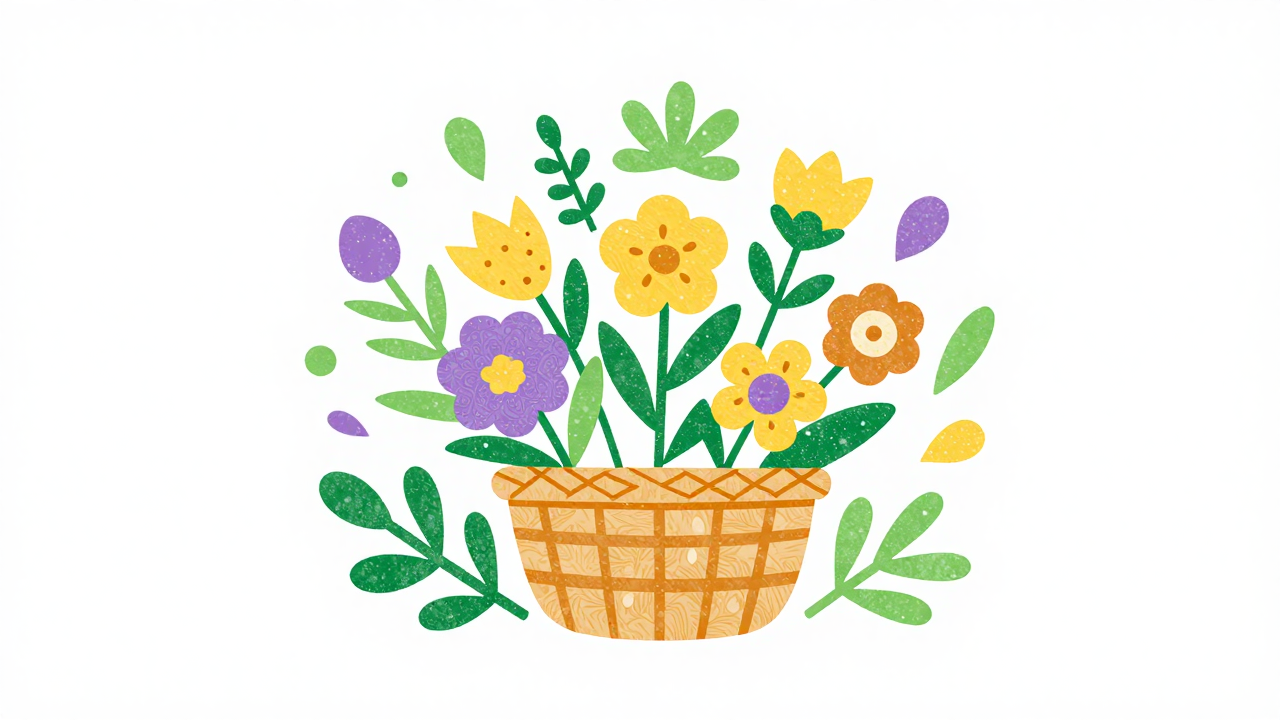
Flower Day, celebrated on May 20, is a delightful observance that invites us to appreciate the beauty and significance of flowers in our lives. As spring blossoms into full swing, this special day serves as a reminder of the vibrant colors and fragrant aromas that flowers bring to our world. Whether in gardens, parks, or as thoughtful gifts, flowers have the remarkable ability to uplift our spirits and connect us with nature.
On Flower Day, individuals and communities are encouraged to take a moment to celebrate the diverse array of blossoms that grace our surroundings. From planting new seeds and nurturing blooming gardens to sharing bouquets with loved ones, this day inspires acts of kindness and appreciation for the natural beauty around us. Join in the festivities by exploring local flower markets, participating in floral workshops, or simply taking a leisurely stroll to admire nature's colorful creations. Let the joy of flowers fill your heart and home this May 20!
History
Flower Day, observed annually on May 20, celebrates the beauty and significance of flowers in various cultures around the world. The origins of this observance can be traced back to ancient civilizations, where flowers were often associated with fertility, beauty, and the changing seasons. In ancient Greece, flowers played a vital role in religious ceremonies and festivals, such as the Thesmophoria, which honored Demeter, the goddess of harvest and fertility. The Romans, too, revered flowers, incorporating them into their religious practices and social gatherings, often adorning themselves and their homes with floral arrangements.
As societies evolved, so did the significance of flowers. By the Middle Ages, flowers began to take on more symbolic meanings in various cultures, with specific blooms representing different virtues and emotions. The Victorian era further popularized this trend through the language of flowers, or floriography, where specific flowers conveyed messages of love, friendship, and sympathy. Flower Day likely emerged from this rich tapestry of historical context, emphasizing not only the aesthetic appeal of flowers but also their deeper cultural and emotional significance.
Over time, Flower Day has evolved into a celebration that encourages people to appreciate the natural beauty of flowers and their role in our lives. Today, it serves as an opportunity for individuals and communities to engage in gardening activities, floral arrangements, and environmental awareness campaigns. This observance is often marked by local events, flower shows, and educational programs that highlight the importance of preserving floral biodiversity and the role that flowers play in sustaining ecosystems.
Culturally, Flower Day holds special significance in various regions. In many areas, it coincides with the blooming season, symbolizing renewal and growth. This day encourages individuals to reflect on the beauty of nature and to participate in planting flowers, whether in personal gardens or community spaces. By celebrating Flower Day on May 20, communities come together to foster a greater appreciation for the environment while honoring the historical traditions that connect us to the natural world.