First-Foot Day
Scotland, United Kingdom
About
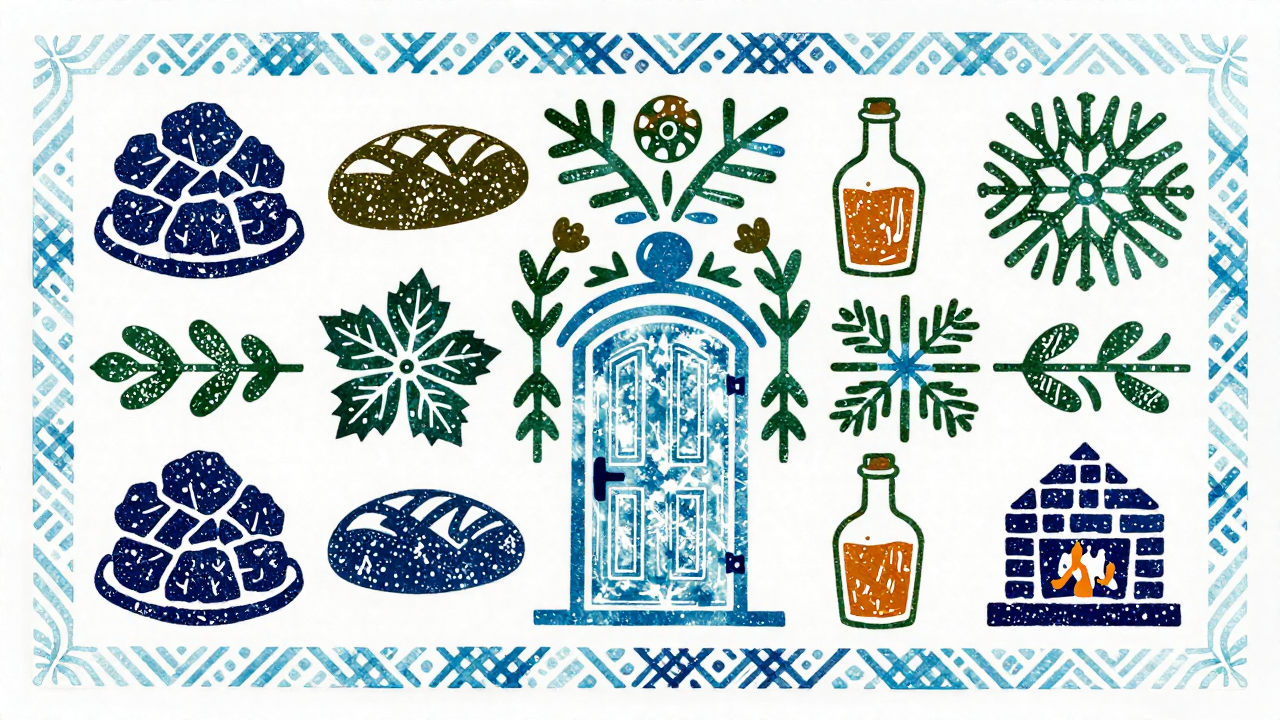
First-Foot Day, celebrated on January 1, is a delightful tradition rooted in Scottish culture that marks the arrival of the New Year. The essence of this observance lies in the belief that the first person to enter a home after midnight can bring good fortune for the coming year. Known as the "first-foot," this individual is often chosen with care, and it's customary for them to bring symbolic gifts such as coal for warmth, bread for sustenance, and whisky for celebration. This charming custom not only ushers in a sense of hope and prosperity but also fosters a spirit of community and togetherness as families and friends gather to welcome the New Year.
As you celebrate First-Foot Day on January 1, take a moment to reflect on the significance of new beginnings and the bonds we share with loved ones. Whether you’re the honored first-footer or simply enjoying the festivities, this day is a wonderful opportunity to express gratitude for the past year while embracing the possibilities that lie ahead. So, as the clock strikes midnight, remember the joy of tradition and the warmth of connection, ensuring that your New Year is filled with laughter, love, and luck!
History
First-Foot Day, observed on January 1, is a tradition rooted in ancient customs that celebrate the first person to enter a home in the new year. This observance is particularly prominent in Scotland and other parts of the British Isles, where it is intertwined with the New Year's celebrations. The origins of First-Foot Day can be traced back to Norse and Celtic traditions, where the first visitor was believed to bring either good or bad fortune for the coming year, depending on the characteristics of the individual. The first-foot, typically a dark-haired male, was considered the best omen, symbolizing prosperity and good luck.
As time progressed, the customs surrounding First-Foot Day evolved, particularly with the influence of Christianity. The celebration of the New Year became a time for reflection and renewal, and the significance of the first-foot became associated with the idea of welcoming blessings into the household. In Scotland, this observance gained further prominence after the 17th century when the Julian calendar was replaced by the Gregorian calendar, aligning the celebration with January 1 as the official start of the new year. Traditional practices include the first-footer bringing symbolic gifts such as coal, bread, salt, and whiskey, each representing warmth, sustenance, hospitality, and goodwill.
Culturally, First-Foot Day holds a special place in Scottish heritage, encapsulating themes of community, family, and the hope for a prosperous year ahead. The celebration often involves gatherings, feasting, and the singing of traditional songs, including "Auld Lang Syne," which emphasizes the importance of camaraderie and reflection on past friendships. In addition to the customs observed in Scotland, variations of this tradition can be found in other cultures, reflecting a universal desire to start the new year on a positive note.
Over the years, while some of the specific practices associated with First-Foot Day have changed or diminished, the core idea of welcoming the new year with a first visitor remains strong. Today, many families still uphold the tradition by ensuring that their first guest of the year embodies traits that symbolize good fortune, thereby keeping the spirit of First-Foot Day alive. As January 1 approaches each year, the anticipation of this observance unites communities, fostering a sense of hope and renewal that transcends generations.