Filipino Food Month
Philippines, United States, Canada
About
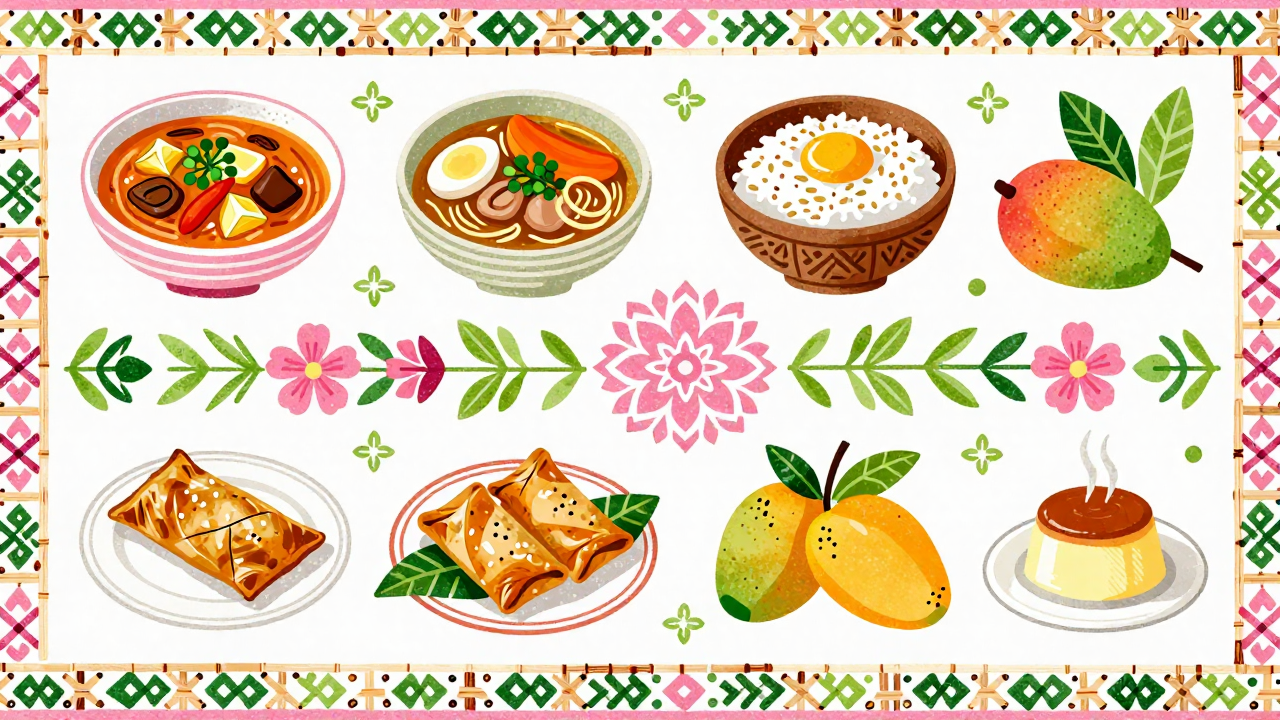
April is a time to celebrate the rich and diverse culinary heritage of the Philippines during Filipino Food Month. This vibrant observance invites everyone to indulge in the delightful flavors and unique dishes that define Filipino cuisine. From savory adobo to sweet leche flan, the month is a fantastic opportunity to explore the variety of ingredients and cooking techniques that make this cuisine so beloved. Family gatherings and community events often feature traditional meals, showcasing the warmth and hospitality that are hallmarks of Filipino culture.
As you savor each bite, you'll discover the stories behind each dish, often passed down through generations. Filipino Food Month encourages both seasoned cooks and newcomers to try their hand at preparing these cherished recipes, fostering a deeper appreciation for the culture and history that shape them. Whether you’re enjoying a hearty bowl of sinigang or a plate of lumpia, this celebration is a wonderful reminder of the joy that food brings to our lives, uniting people through shared experiences and flavors. Join in the festivities this April and let the delicious journey of Filipino cuisine inspire your palate!
History
Filipino Food Month is an annual celebration that takes place throughout April, aimed at showcasing the rich culinary heritage of the Philippines. This observance was officially recognized in 2018 through Republic Act No. 11315, which was enacted to honor the diverse flavors and dishes of Filipino cuisine. The legislation sought to highlight the importance of food as a crucial aspect of Filipino culture, reflecting the history, traditions, and regional variations that characterize the country’s culinary landscape. By dedicating a month to Filipino food, the initiative encourages both Filipinos and non-Filipinos alike to explore and appreciate the unique culinary practices and traditions that make up the nation’s identity.
Over time, Filipino Food Month has evolved to include various activities and events that celebrate the nation’s gastronomic diversity. Schools, community organizations, and restaurants often participate by hosting workshops, cooking demonstrations, and food fairs. These events offer opportunities for local chefs and home cooks to share their knowledge and skills, while also introducing traditional dishes and contemporary interpretations to a wider audience. The celebration has inspired a renewed interest in Filipino cuisine, prompting both young and old to engage with their culinary heritage and experiment with traditional recipes.
The cultural significance of Filipino Food Month extends beyond mere gastronomy; it serves as a reminder of the stories and histories encapsulated in each dish. Food in the Philippines is often intertwined with communal experiences and celebrations, reflecting the warmth and hospitality of the Filipino people. Traditional dishes like adobo, sinigang, and lechon not only nourish the body but also connect individuals to their familial roots and cultural narratives. By promoting Filipino food during this month, the observance emphasizes the role of cuisine as a vessel for cultural expression and a means of fostering community ties.
As Filipino Food Month continues to gain traction, it strengthens the global recognition of Filipino cuisine. The celebration encourages culinary tourism, inviting people to experience the flavors of the Philippines firsthand. It also serves as a platform for discussions about food sustainability and the importance of preserving indigenous ingredients and traditional cooking methods. By spotlighting Filipino food in this way, the observance not only honors the past but also paves the way for future generations to cherish and innovate within the rich tapestry of Filipino culinary arts.