February 17th Revolution
Egypt
About
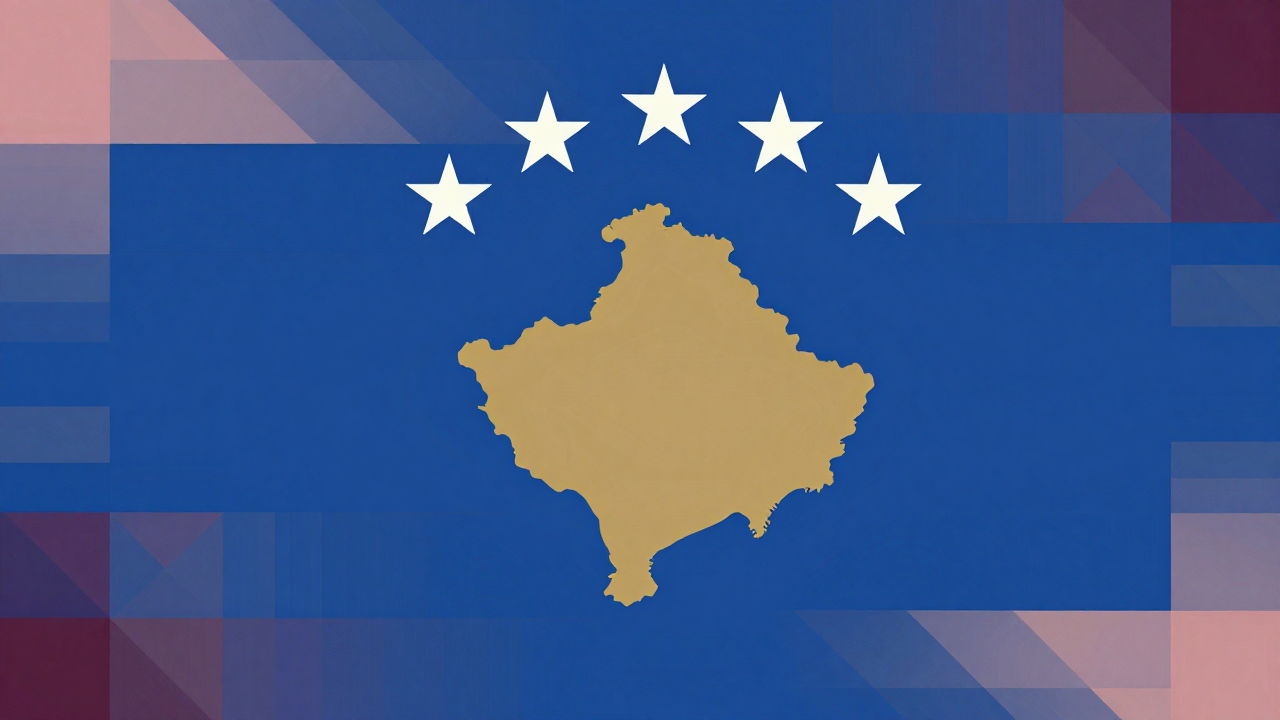
The February 17th Revolution is a momentous observance that commemorates the spirit of resilience and unity, marking the day when the people of Kosovo declared their independence from Serbia in 2008. This significant event is celebrated on February 17 each year, serving as a reminder of the struggle for freedom and the desire for self-determination that has shaped the identity of Kosovo. On this day, citizens come together to honor their shared history and reflect on the values of democracy and justice that underpin their nation.
Festivities surrounding the February 17th Revolution are vibrant and filled with national pride. Communities engage in various activities, including parades, cultural performances, and educational events that highlight the importance of independence and the journey toward sovereignty. This observance not only unites people in celebration but also fosters a deeper understanding of the challenges faced along the path to freedom. As Kosovo continues to build its future, the February 17th Revolution stands as a testament to the enduring spirit of its people and their unwavering commitment to a brighter tomorrow.
History
The February 17th Revolution, observed annually on February 17, marks a significant event in the history of Libya, symbolizing the uprising that led to the overthrow of Muammar Gaddafi's regime in 2011. This revolution was part of a broader wave of protests and uprisings known as the Arab Spring, which swept across the Middle East and North Africa beginning in late 2010. The origins of the February 17th Revolution can be traced back to widespread discontent with Gaddafi’s authoritarian rule, corruption, human rights abuses, and the lack of political freedoms. The movement gained momentum on February 17, 2011, when protests erupted in the eastern city of Benghazi, spurred by the arrest of a human rights activist.
As the revolution progressed, protests quickly spread throughout Libya, fueled by social media and global awareness of the Arab Spring. The situation escalated into an armed conflict, with rebel forces fighting against Gaddafi's loyalists. International intervention, including NATO airstrikes, played a crucial role in supporting the rebels. By October 2011, Gaddafi was captured and killed, marking a definitive end to his 42-year rule. The date of February 17 has since become a symbol of resistance and hope for the Libyan people, celebrated for its role in achieving freedom from a long-standing oppressive regime.
Over the years, the observance of the February 17th Revolution has evolved to reflect the ongoing challenges Libya faces in establishing a stable and democratic government. While the initial excitement of the revolution brought hopes of a new political landscape, the country has grappled with civil strife, armed conflicts, and political fragmentation. Each year on February 17, Libyans commemorate the revolution with various activities, including demonstrations, cultural events, and discussions aimed at fostering unity and reflecting on the sacrifices made during the uprising. This annual observance serves as a reminder of the struggle for freedom and the ongoing quest for democracy in Libya.
Culturally, the February 17th Revolution has become a focal point for Libyan identity and nationalism. It not only celebrates the bravery of those who fought for liberation but also emphasizes the importance of civic engagement and the need for societal change. As Libyans gather to honor this date, they reflect on their collective aspirations for peace, stability, and prosperity in a country still navigating the complexities of post-revolutionary governance. The observance of February 17th stands as a testament to the resilience of the Libyan people and their enduring hope for a brighter future.