Feast of the Ass Day
About
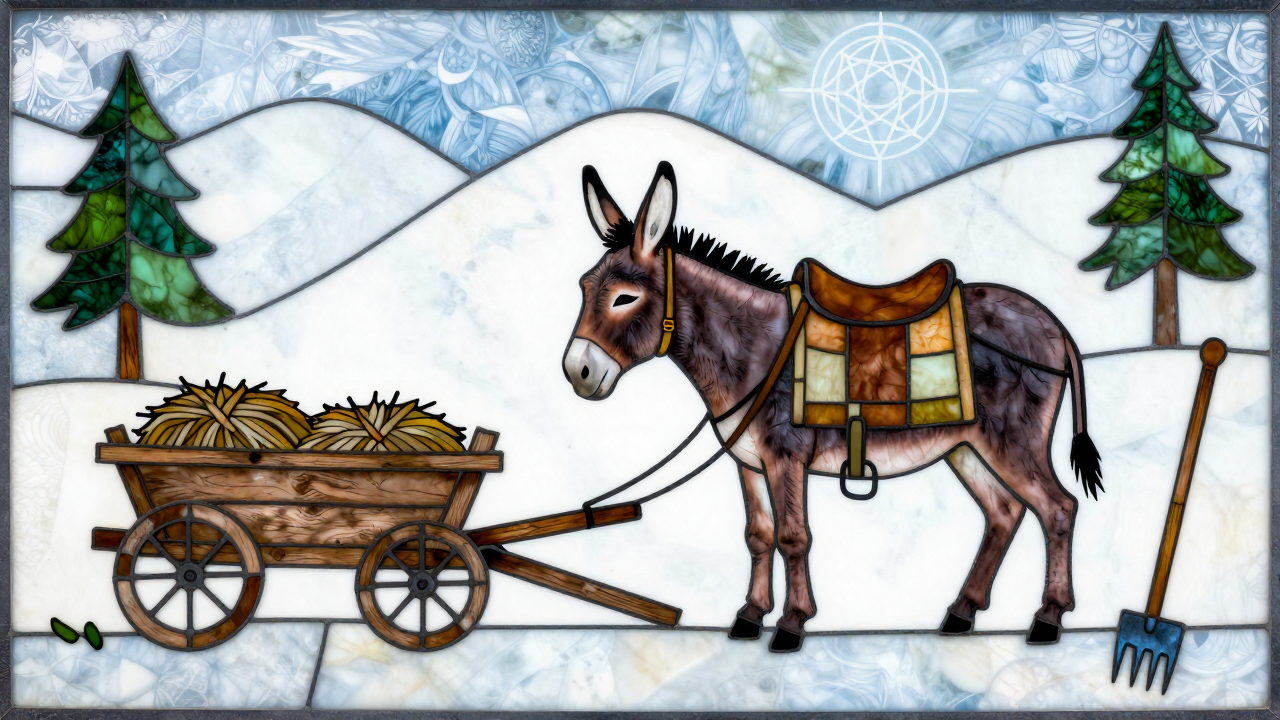
The Feast of the Ass Day, celebrated on January 14, is a unique and lighthearted observance that dates back to the Middle Ages. This whimsical holiday originally honored the donkey, a creature often associated with humility and hard work. In a time when donkeys played an essential role in daily life and agriculture, this day served to recognize their contributions, particularly in the nativity story, where a donkey is said to have carried Mary and the baby Jesus to safety.
As you partake in the festivities of the Feast of the Ass Day, consider ways to celebrate these gentle animals. Communities might engage in playful parades featuring donkey-themed decorations, or some may even host local events where families can learn about the history and significance of these beloved creatures. Whether you share a story about a donkey’s role in history or enjoy a delightful feast with friends, January 14 is a wonderful opportunity to reflect on the contributions of the donkey while embracing the joy and merriment that accompany this charming observance.
History
The Feast of the Ass Day, celebrated on January 14, has its roots in medieval Christianity, specifically within the context of the Feast of the Epiphany and the following liturgical season. This unique observance emerged in the 12th century, particularly in France, where it was associated with a playful yet solemn recognition of the donkey's significance in the nativity story. The donkey, often depicted as the humble beast that carried Mary to Bethlehem and later, the Holy Family into Egypt, became a central figure in various religious narratives. The day was marked by performances and processions that included a donkey, symbolizing the humble nature of Christ's birth.
The celebration of the Feast of the Ass Day evolved over the centuries, transforming from a serious liturgical observance into a more festive occasion characterized by revelry and satire. In medieval times, it was common for church leaders to incorporate comedic elements into their services, and the Feast of the Ass Day was no exception. Participants would often don masks and costumes, mockingly imitating ecclesiastical roles. These antics were rooted in a tradition of inversion, where societal norms were upended, allowing for a brief period of levity amidst the often austere atmosphere of the church calendar.
Culturally, the Feast of the Ass Day held significant meaning as it highlighted the interplay between sacred and secular life. It served as a reminder of the humility and simplicity of Christ's message, juxtaposed against the grandeur often associated with religious institutions. The day was also a time for communities to come together, engaging in merriment and communal activities that fostered social bonds. This blending of the sacred with the playful reflected a broader medieval cultural practice that embraced humor and satire as vital components of religious expression.
As the centuries progressed, the Feast of the Ass Day gradually fell out of favor, particularly during the Reformation when many practices deemed frivolous or superstitious were discouraged. However, remnants of the celebration can still be seen in some regions, where the spirit of the day is observed in more modern contexts, often focusing on themes of humility and community. While not as widely recognized today, the Feast of the Ass Day remains an intriguing example of how religious observances can evolve and adapt, leaving a lasting cultural legacy that continues to resonate in various forms.