Feast of St. Paul's Shipwreck
Malta
About
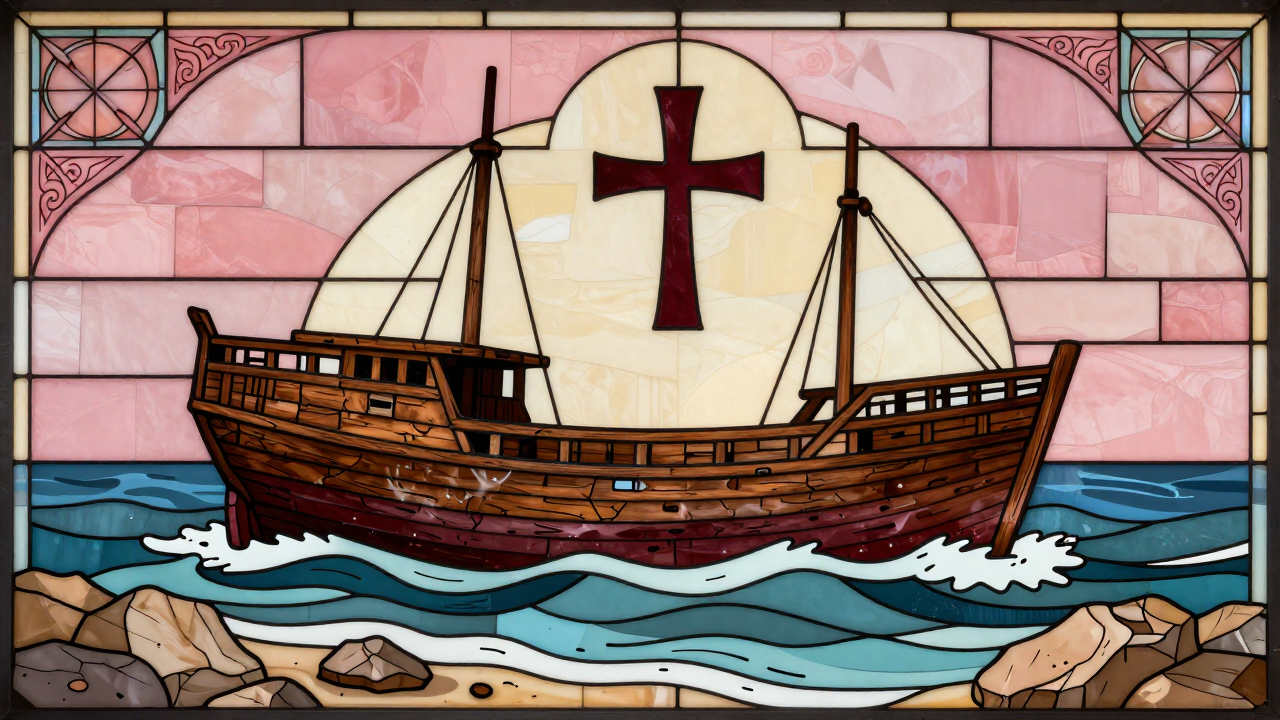
The Feast of St. Paul's Shipwreck, celebrated on February 10, is a significant observance that commemorates the miraculous survival of St. Paul during a perilous sea voyage. According to Christian tradition, St. Paul was shipwrecked on the island of Malta while on his journey to Rome, where he was to stand trial. This event not only highlights his unwavering faith but also the warm hospitality extended by the Maltese people, who welcomed him and his companions after the shipwreck. The feast serves as a reminder of resilience, hope, and the power of community in times of trouble.
On this day, many Christians reflect on the themes of perseverance and divine providence, drawing inspiration from St. Paul's unwavering spirit. Celebrations may include special church services, prayers, and gatherings that foster a sense of unity among the faithful. The Feast of St. Paul's Shipwreck invites everyone to celebrate not just the life of St. Paul, but also the enduring strength found in faith and fellowship, making it a cherished occasion for many around the world each February 10.
History
The Feast of St. Paul's Shipwreck, celebrated on February 10, commemorates the miraculous shipwreck of St. Paul, an event recorded in the Acts of the Apostles in the New Testament. According to the biblical narrative, St. Paul was on his way to Rome for trial when the ship he was aboard encountered a violent storm, ultimately leading to its wreck off the coast of Malta around 60 AD. Despite the perilous circumstances, all passengers survived, and this event is viewed as a testament to St. Paul's faith and resilience. The feast day is particularly significant in Malta, where St. Paul is considered the patron saint, and the island's Christian heritage is deeply intertwined with the apostle's journey.
Historically, the observance began to take shape as the early Christian community in Malta sought to honor St. Paul's influence on their island. The first documented celebration of the feast dates back to the 16th century, reflecting a growing devotion to St. Paul following the establishment of Christianity in Malta. Over time, the feast evolved into a major religious event, marked by various rituals, prayers, and processions that highlight both the local culture and the legacy of St. Paul. The establishment of the Co-Cathedral of St. Paul in Valletta further solidified the importance of this feast within the Maltese Catholic tradition.
Culturally, the Feast of St. Paul's Shipwreck has significant implications beyond its religious observance. It is a day that fosters national pride among the Maltese, celebrating their unique history and the enduring legacy of St. Paul as a symbol of hope and perseverance. The feast is characterized by vibrant processions, religious services, and community gatherings, showcasing local traditions and the arts. Local artisans often prepare special foods and decorations, and the day serves as an opportunity for the Maltese to come together, reinforcing communal bonds and shared heritage.
In contemporary times, the Feast of St. Paul's Shipwreck remains an important observance in Malta, attracting both locals and tourists who wish to experience the rich cultural tapestry associated with the event. While the religious aspects continue to play a central role, the feast also reflects broader themes of survival, faith, and the historical significance of St. Paul’s mission. Celebrated on February 10, the feast not only serves as a reminder of an important biblical event but also as a celebration of the enduring spirit of the Maltese people and their connection to their patron saint.