Exotic Winter Fruit & Leeks and Green Onions Month
About
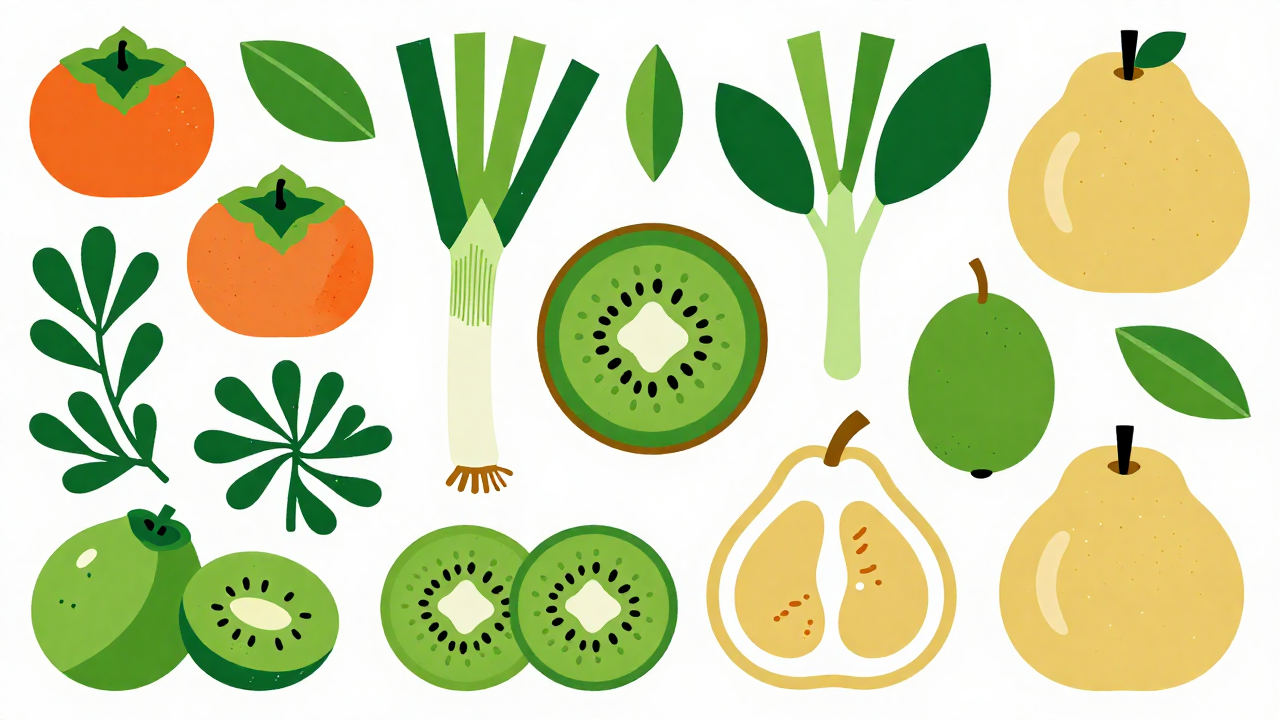
March is a delightful time to celebrate the vibrant flavors of Exotic Winter Fruit & Leeks and Green Onions Month. As winter begins to fade away, this observance invites food lovers to explore and appreciate the variety of unique fruits and vegetables that thrive in cooler climates. Exotic winter fruits, such as persimmons, kiwis, and pomelos, offer a refreshing burst of flavor, while leeks and green onions bring a delightful crunch and depth to any dish. This is a perfect opportunity to incorporate these ingredients into your meals, whether in hearty soups, vibrant salads, or savory stir-fries.
Embracing these seasonal delights not only tantalizes your taste buds but also supports local farmers and promotes sustainable eating habits. During March, consider visiting farmers' markets or grocery stores to discover the incredible range of winter produce available to you. Experimenting with exotic fruits and the earthy flavors of leeks and green onions can add a touch of adventure to your culinary repertoire. So gather your loved ones, get creative in the kitchen, and celebrate the wholesome goodness of winter produce throughout the month!
History
Exotic Winter Fruit & Leeks and Green Onions Month is celebrated throughout March, serving as a vibrant acknowledgment of the rich variety of produce available during the late winter and early spring months. The observance encourages individuals to explore and appreciate the unique flavors and nutritional benefits of exotic fruits alongside versatile vegetables like leeks and green onions. This celebration promotes healthy eating and culinary exploration, inviting people to incorporate these ingredients into their meals.
The origins of this observance can be traced back to the growing interest in seasonal eating and local agriculture. As awareness of the environmental impact of food production increased, many began to embrace the concept of eating foods that are in season. March, as a transitional month, highlights the last of winter's bounty and the early arrivals of spring produce. Exotic fruits, often imported from warmer climates, provide a delightful contrast to the winter staples that have been prevalent during the colder months. The inclusion of leeks and green onions reflects a broader appreciation for allium vegetables, which have been staples in various cuisines around the world for centuries.
Over time, Exotic Winter Fruit & Leeks and Green Onions Month has evolved to include educational initiatives aimed at promoting the health benefits of these foods. Communities often hold workshops, cooking demonstrations, and farmers' markets to showcase how to incorporate these fruits and vegetables into everyday meals. This evolution reflects a growing trend towards holistic health and wellness, with many people seeking to enhance their diets through fresh, flavorful ingredients.
Culturally, this observance resonates with diverse culinary traditions, as leeks and green onions feature prominently in various global cuisines. From French onion soup to Asian stir-fries, these vegetables are celebrated for their ability to enhance flavors and provide nutritional value. Exotic fruits, such as dragon fruit, passion fruit, and kumquats, not only add visual appeal to dishes but also introduce unique tastes that can transform meals. The month serves as a reminder of the connection between food, health, and cultural heritage, encouraging people to explore and enjoy culinary diversity.
As March unfolds, Exotic Winter Fruit & Leeks and Green Onions Month invites individuals to rediscover their kitchens and experiment with new flavors. By focusing on seasonal produce, this observance promotes not only better eating habits but also a greater appreciation for the variety and richness of the food available in our markets. Through this celebration, participants can connect with their local food systems and foster a deeper understanding of the importance of supporting sustainable agricultural practices.