End of the World
About
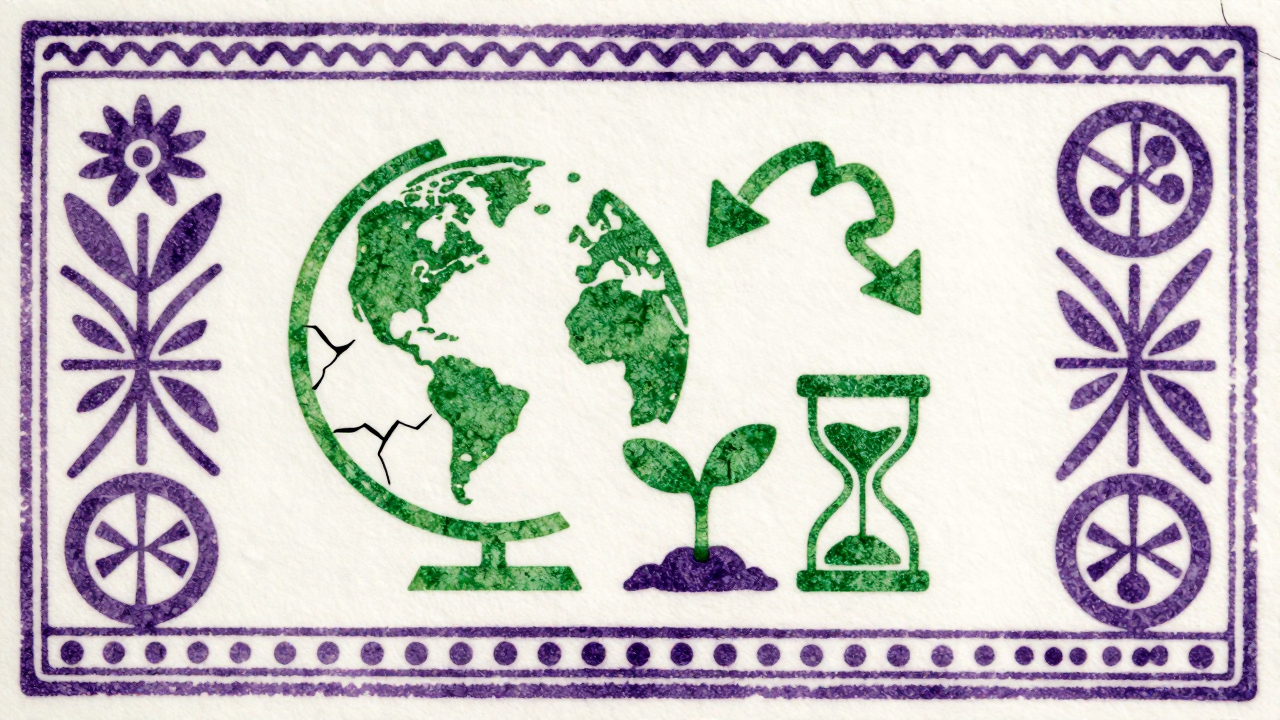
May 21 is a day that invites reflection and contemplation as we observe the "End of the World." While the name may evoke a sense of foreboding, this observance encourages us to think about the importance of our actions and their impact on the planet and future generations. It serves as a reminder to appreciate the beauty of life, the connections we share, and the legacy we wish to leave behind.
As we gather on this day, many take the opportunity to engage in discussions about sustainability, peace, and unity. It’s a chance to come together with friends and family, share stories, and envision a brighter future. Some may participate in community service or environmental initiatives, fostering a sense of responsibility and hope. So, on May 21, let's embrace the spirit of renewal and possibility, and remember that while the concept of an "end" may be daunting, it also heralds new beginnings.
History
The "End of the World," observed on May 21, has roots deeply embedded in the religious and cultural narratives surrounding apocalyptic predictions. One of the most notable instances leading to the observance on this date was the prediction made by Harold Camping, a Christian radio broadcaster. Camping claimed that the Rapture, a significant event in Christian eschatology where believers would be taken to heaven, would occur on May 21, 2011. This assertion was based on his interpretation of biblical texts, particularly the Book of Revelation, which describes the end times.
The fervor surrounding Camping's prediction gained widespread attention, leading to a considerable movement among followers who believed in the imminent end of the world. As the date approached, various groups and individuals engaged in discussions, preparations, and even public campaigns to raise awareness of the predicted event. This culminated in significant media coverage, which further amplified the urgency and emotional weight of the occasion. However, when May 21, 2011, passed without incident, the day became a point of reflection for many believers and skeptics alike, sparking discussions about faith, prophecy, and the nature of belief in modern times.
Over the years, the observance of the End of the World has evolved from a singular event linked to Camping's predictions into a broader cultural phenomenon that reflects society's ongoing fascination with apocalyptic themes. The day is now often marked by discussions about existential threats, whether from climate change, nuclear conflict, or pandemics, highlighting society's anxieties about the future. As people grapple with these fears, May 21 serves as a reminder of the human tendency to contemplate mortality and the end of civilization as we know it.
Culturally, the observance has also inspired various forms of artistic expression, including literature, film, and music, which explore themes of apocalypse and redemption. These interpretations serve not only as entertainment but also as a means of processing collective anxieties. The End of the World on May 21 has thus transformed from a narrowly defined religious observance into a broader reflection on human concerns about existence, destiny, and hope for renewal, allowing people to engage with the concept of endings and new beginnings in a multitude of ways.