Emperor's Birthday Japan
Japan
About
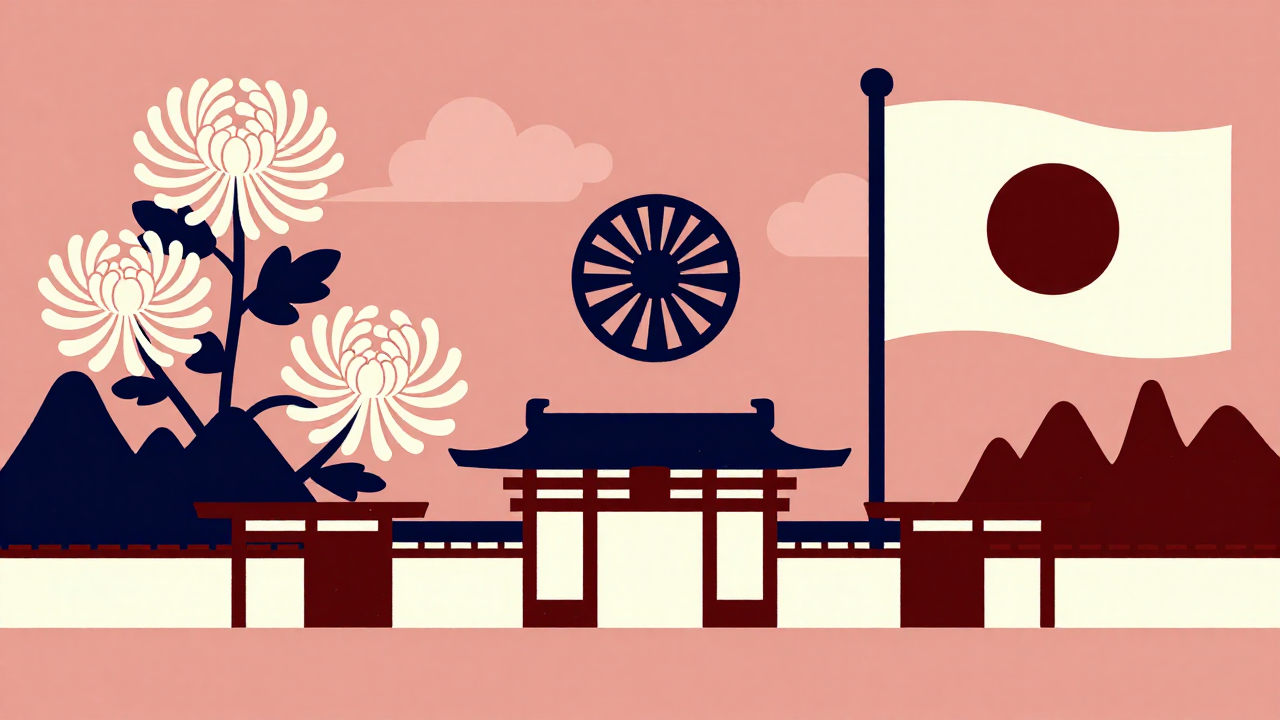
Emperor's Birthday Japan, celebrated on February 23, is a significant national holiday that brings the people of Japan together to honor their beloved emperor. This day marks the birthday of the reigning emperor, currently Emperor Naruhito, who ascended to the throne in 2019. It is a time for reflection on the emperor's contributions to the nation and for celebrating the cultural heritage and unity of the Japanese people. The holiday provides an opportunity for citizens to express their respect and admiration for the imperial family, who play a vital role in Japan's traditions and values.
On this special day, various festivities take place across the country, including public ceremonies and events at the Imperial Palace in Tokyo. Many people take the opportunity to visit the palace, where they can witness the emperor and empress greet the public from the palace balcony, a sight cherished by many. Additionally, schools, government offices, and businesses typically close, allowing families to come together and participate in celebrations. The Emperor's Birthday is not only a day of national pride but also a moment to reflect on peace, harmony, and the rich cultural tapestry that defines Japan, making it a heartwarming occasion for all.
History
Emperor's Birthday Japan, observed on February 23, is a significant national holiday that celebrates the birthday of the reigning Emperor of Japan. Established in its current form during the post-World War II era, the observance reflects the historical and cultural evolution of the Japanese monarchy and its relationship with the people. The holiday is celebrated to honor the current emperor, Naruhito, who was born on this date in 1960, marking a tradition that fosters national unity and reverence for the imperial institution.
The origins of the Emperor's Birthday can be traced back to the Meiji period, when the modern Japanese state was being established. Initially, the birthdays of emperors were celebrated individually, with the date varying based on the reigning monarch. However, the observance gained a more formal and standardized character following the adoption of the National Holidays Law in 1948, which designated the Emperor's Birthday as a public holiday. This change was part of a broader effort to redefine the role of the emperor in a post-war context, transitioning from a divine figure to a more symbolic representation of the nation.
Over the years, the observance has evolved to include various ceremonies and public celebrations. On February 23, the Imperial Palace opens its gates to the public, allowing citizens to greet the emperor and the imperial family as they appear on the balcony. This event fosters a sense of connection between the monarchy and the Japanese people, as thousands gather to express their well-wishes. The day is marked by various festivities across the country, including cultural performances, traditional music, and local celebrations, further enhancing the sense of national pride.
Culturally, the Emperor's Birthday holds significant importance in Japan. It serves as a reminder of the continuity of the imperial lineage and its role in Japanese identity. The day emphasizes the values of respect and reverence towards the emperor, who is viewed as a symbol of the state and the unity of the Japanese people. Additionally, it reflects Japan's rich history and traditions, allowing citizens to engage with their cultural heritage in a meaningful way.
In summary, the Emperor's Birthday Japan, celebrated on February 23, stands as a testament to the enduring legacy of the Japanese imperial family. From its historical roots in the Meiji period to its modern-day observance, the holiday encapsulates the evolving relationship between the monarchy and the citizenry, promoting national unity and cultural pride in contemporary Japan.