Earth Day
United States, Canada, Australia, United Kingdom, Germany, India, Brazil, Mexico, Japan, South Africa
About
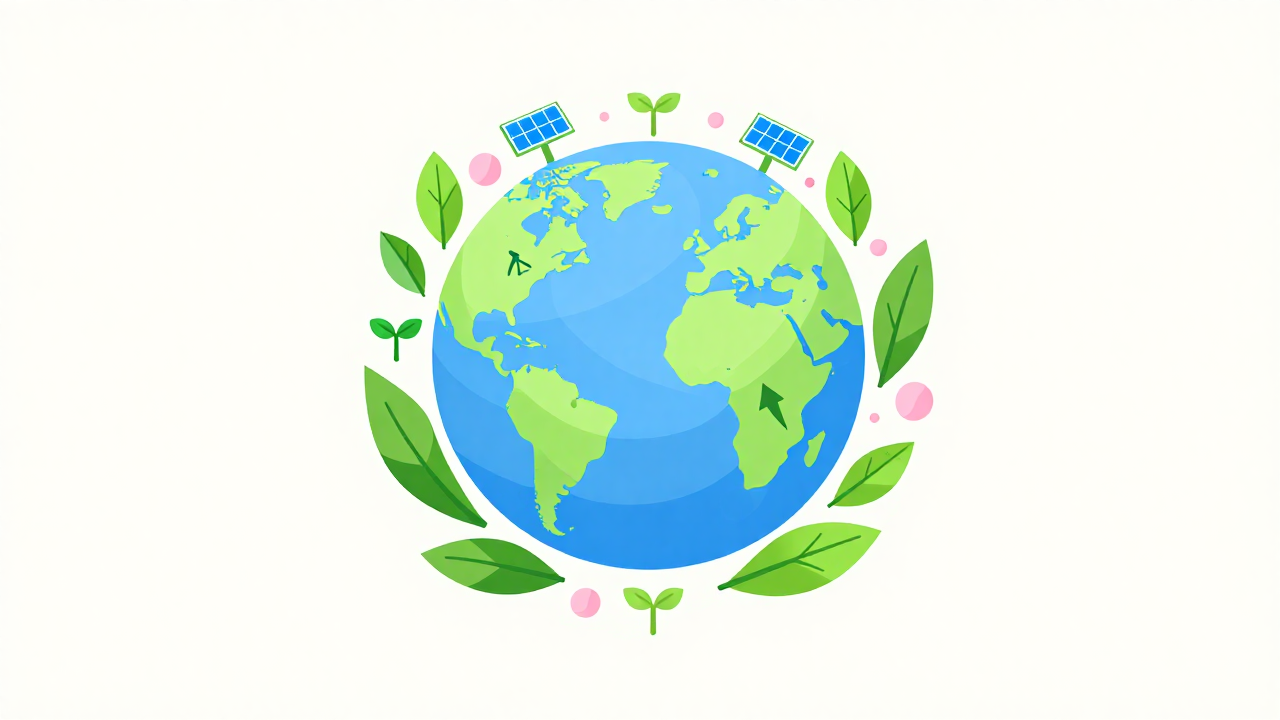
Earth Day, celebrated on April 22 each year, is a global event dedicated to raising awareness and promoting actions that protect our planet. This day serves as a powerful reminder of the importance of environmental conservation and the urgent need to address climate change. First observed in 1970, Earth Day has grown into a worldwide movement, uniting millions of people across different cultures and backgrounds in their shared commitment to preserving the Earth’s natural resources for future generations.
On this special day, individuals, communities, and organizations participate in a variety of activities aimed at fostering environmental stewardship. From tree-planting events and clean-up drives to educational workshops and sustainability fairs, Earth Day inspires collective action to safeguard the environment. It is a time to reflect on our relationship with nature, celebrate the beauty of our planet, and take concrete steps towards a more sustainable future. So, mark your calendars for April 22 and join in the global effort to make a positive impact on our world!
History
Earth Day, observed annually on April 22, originated from a growing awareness of environmental issues during the 1960s and early 1970s. The concept was largely attributed to U.S. Senator Gaylord Nelson, who, inspired by the anti-Vietnam War protests and a desire to promote environmental protection, proposed a nationwide environmental teach-in. This culminated in the first Earth Day celebration on April 22, 1970. Over 20 million Americans participated, organizing rallies, educational programs, and clean-up efforts across the country, marking a significant moment in the environmental movement.
The success of the inaugural Earth Day led to the establishment of the Environmental Protection Agency (EPA) in December 1970 and the passage of key environmental legislation, including the Clean Air Act and the Clean Water Act. As the event gained momentum, it evolved from a national observance into a global phenomenon. The first international Earth Day was celebrated in 1990, mobilizing 200 million people across 141 countries. This global outreach helped to further elevate environmental issues on the world stage, leading to the 1992 United Nations Earth Summit in Rio de Janeiro, which focused on sustainable development.
Culturally, Earth Day has become a symbol of the environmental movement, promoting awareness and action towards protecting the planet. It serves as a reminder of the interconnectedness of humanity and nature, encouraging individuals, communities, and governments to take responsibility for environmental stewardship. Various activities take place on this day, including tree planting, clean-up campaigns, educational workshops, and advocacy for policies aimed at combating climate change. The observance has inspired generations to engage in sustainable practices and advocate for a healthier planet.
Over the years, Earth Day has adapted to address emerging environmental challenges, such as climate change, biodiversity loss, and pollution. In 2010, the observance's 40th anniversary was marked by a renewed focus on global climate change, while the 50th anniversary in 2020 emphasized the urgent need for action in the face of the climate crisis. As Earth Day continues to grow in significance, it remains a powerful catalyst for change, uniting people worldwide in the shared mission of protecting and preserving the Earth for future generations.