Commonwealth Day
Antigua and Barbuda, Australia, Bahamas, Barbados, Belize, Canada, Grenada, Jamaica, New Zealand, Papua New Guinea, Saint Kitts and Nevis, Saint Lucia, Saint Vincent and the Grenadines, Solomon Islands, United Kingdom, Vanuatu
About
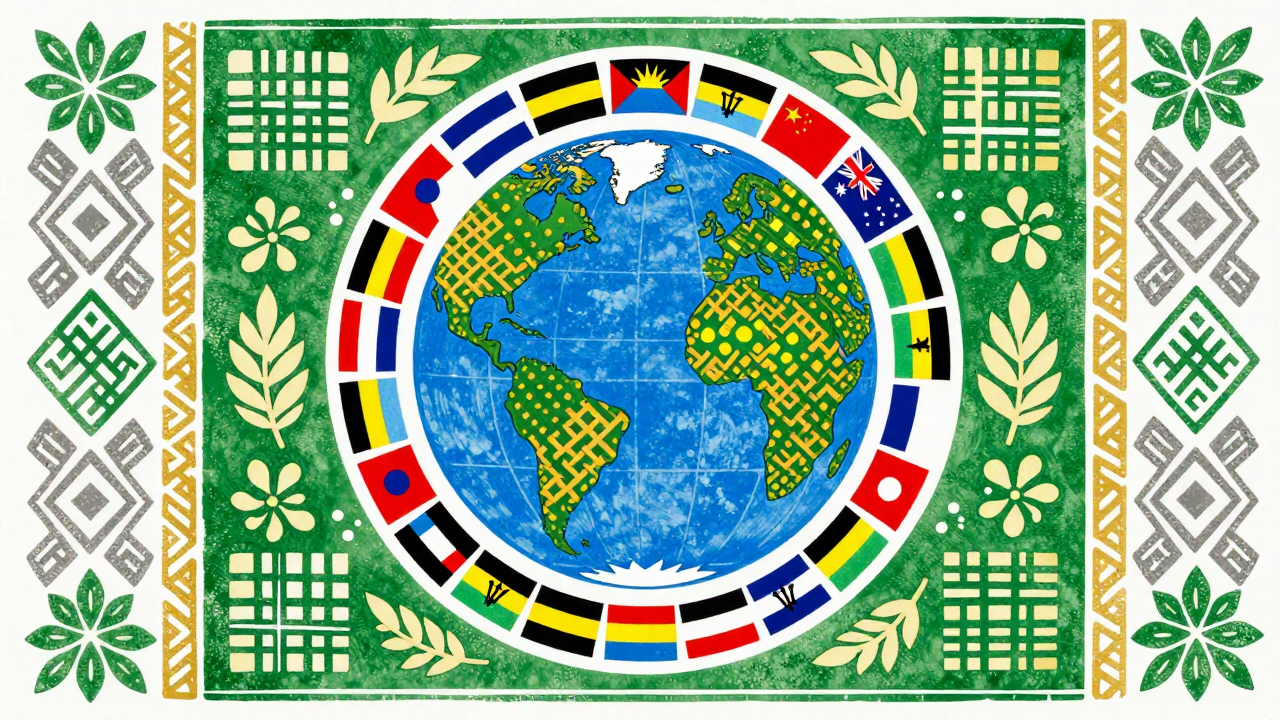
Commonwealth Day, observed annually on March 8, is a vibrant celebration of the unity and diversity of the Commonwealth of Nations. This day serves as a wonderful opportunity to honor the shared values and aspirations that bind together the 54 member countries, ranging from Canada and Australia to small island nations in the Caribbean and the Pacific. It highlights the rich tapestry of cultures, traditions, and histories that comprise the Commonwealth, fostering a sense of global community and cooperation.
On this special day, various events and activities are held worldwide, including educational programs, cultural performances, and community service initiatives. Schools and organizations often participate by raising awareness about the Commonwealth's goals of peace, democracy, and development. As communities come together to celebrate their common heritage, Commonwealth Day reminds us all of the importance of mutual respect and collaboration in addressing global challenges. So, mark your calendars for March 8 and join in the festivities that celebrate our interconnected world!
History
Commonwealth Day, observed on March 8, has its roots in the early 20th century, particularly in the context of the British Empire. Initially established as "Empire Day" in 1902, it aimed to foster a sense of unity and pride among the various dominions and colonies under British rule. The observance encouraged citizens to celebrate their shared heritage and achievements, reinforcing the connections within the vast empire. As the empire began to evolve, so too did the significance of the day, reflecting the changing political landscape and the growing independence of many nations.
By the mid-20th century, as decolonization took hold and numerous countries gained independence, the celebration transitioned from Empire Day to Commonwealth Day. This change was formalized in 1958, marking a shift in focus from imperial dominance to a more equitable association of independent nations. The Commonwealth of Nations, a political association of 54 member states, many of which are former territories of the British Empire, embraced this rebranding, highlighting values such as democracy, human rights, and development. The observance encouraged member countries to celebrate their diversity while promoting cooperation and understanding among nations.
The cultural significance of Commonwealth Day is profound, as it serves to strengthen ties between member states and their citizens. Celebrated with various events, including educational programs, cultural performances, and community activities, the day emphasizes shared values and aspirations. In many countries, schools and local organizations participate by hosting discussions on Commonwealth issues, reflecting on the importance of unity in diversity. The theme for each year’s celebration is selected to address contemporary global challenges, fostering a sense of collective responsibility and action among the nations.
As Commonwealth Day is observed on March 8, it coincides with International Women’s Day, further enriching its relevance. This overlap allows for a broader discourse on gender equality and women's rights, which are essential components of the Commonwealth’s mission. The observance not only commemorates the historical ties between nations but also serves as a platform for promoting progressive ideals that resonate across the globe. Through its evolution from Empire Day to Commonwealth Day, this observance continues to embody the spirit of collaboration and mutual respect among diverse nations.