Brew a Potion Day
About
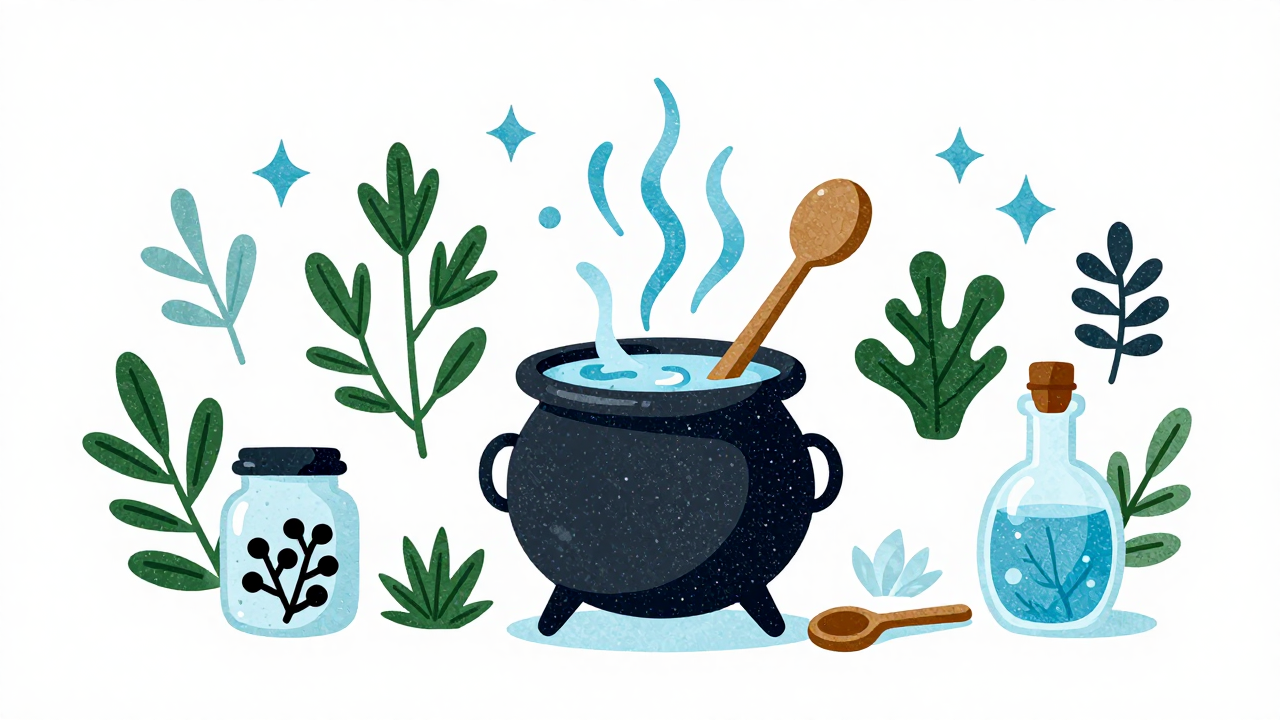
Brew a Potion Day, celebrated on January 19, invites everyone to unleash their inner alchemist and explore the magical world of potion-making. This whimsical observance encourages creativity and imagination, whether you're a seasoned witch or simply someone looking to add a bit of enchantment to your day. On this special occasion, you can gather your favorite herbs, spices, and liquids to concoct delightful brews that are sure to spark joy and wonder.
As you stir your cauldron—be it a kettle on the stove or a simple mixing bowl—you can think of the rich history and folklore surrounding potions throughout the ages. From ancient herbal remedies to the enchanting elixirs found in fairy tales, the art of potion-making has captivated hearts and minds for generations. So, take a moment on January 19 to brew something magical, whether it’s a soothing tea, a refreshing smoothie, or a unique cocktail. Share your creations with friends and family, and let the spirit of Brew a Potion Day inspire you to embrace the magic in everyday life!
History
Brew a Potion Day, observed on January 19, is a whimsical celebration that invites enthusiasts of magic and the mystical to engage in the age-old practice of potion-making. The origins of this observance can be traced back to ancient traditions where the art of potion-making was tied to folklore, herbalism, and alchemy. In many cultures, potions were believed to possess the power to heal, transform, or even enchant. Historical texts from civilizations such as the Egyptians, Greeks, and Romans reveal a rich tapestry of potion recipes, often involving herbs, minerals, and animal parts, all aimed at achieving various desired effects.
Over time, the concept of brewing potions has evolved from serious practices rooted in medicine and spirituality to a more playful and creative endeavor celebrated in modern times. The rise of fantasy literature and popular media, particularly during the late 20th century, has significantly influenced the perception of potion-making. Works like J.K. Rowling's "Harry Potter" series introduced a new generation to the joys of mixing ingredients to create magical effects. This cultural shift has led to a broader interpretation of Brew a Potion Day, allowing participants to explore their creativity through various mediums, from cooking and crafting to imaginative play.
Culturally, Brew a Potion Day serves as a reminder of our fascination with the mystical and the unknown. It encourages individuals to connect with nature by experimenting with herbal concoctions and exploring the properties of plants. This observance also fosters community engagement as friends and family gather to share recipes and create potions together, whether they be for fun, relaxation, or simply as an artistic expression. The day emphasizes the joy of experimentation and the celebration of creativity, allowing people of all ages to partake in a bit of magic in their everyday lives.
In essence, Brew a Potion Day on January 19 is not just about the act of mixing ingredients; it’s about embracing the spirit of exploration and the timeless human desire to create. As people around the world take part in this enchanting day, they honor both the historical significance of potion-making and the enduring appeal of magic in contemporary culture.