Bounty Day
Norfolk Island
About
Bounty Day, celebrated on June 8, is a vibrant observance that honors the arrival of the Bounty mutineers to Pitcairn Island in 1790. This day serves as a heartfelt reminder of the courage and resilience of those who sought refuge on this remote island, creating a unique community that thrives to this day. The descendants of the original settlers celebrate their rich heritage with festivities, bringing together families and friends in a spirit of unity and gratitude.
As the islanders come together to commemorate their history, Bounty Day is marked by various cultural activities, including traditional music, dance, and communal feasting. It’s a time for storytelling, where the tales of the past are passed down through generations, reinforcing the bonds of community and shared identity. Whether you’re a local or a visitor, participating in the joys of Bounty Day offers a wonderful glimpse into the enduring legacy of the island’s inhabitants, making it a truly special occasion on June 8.
History
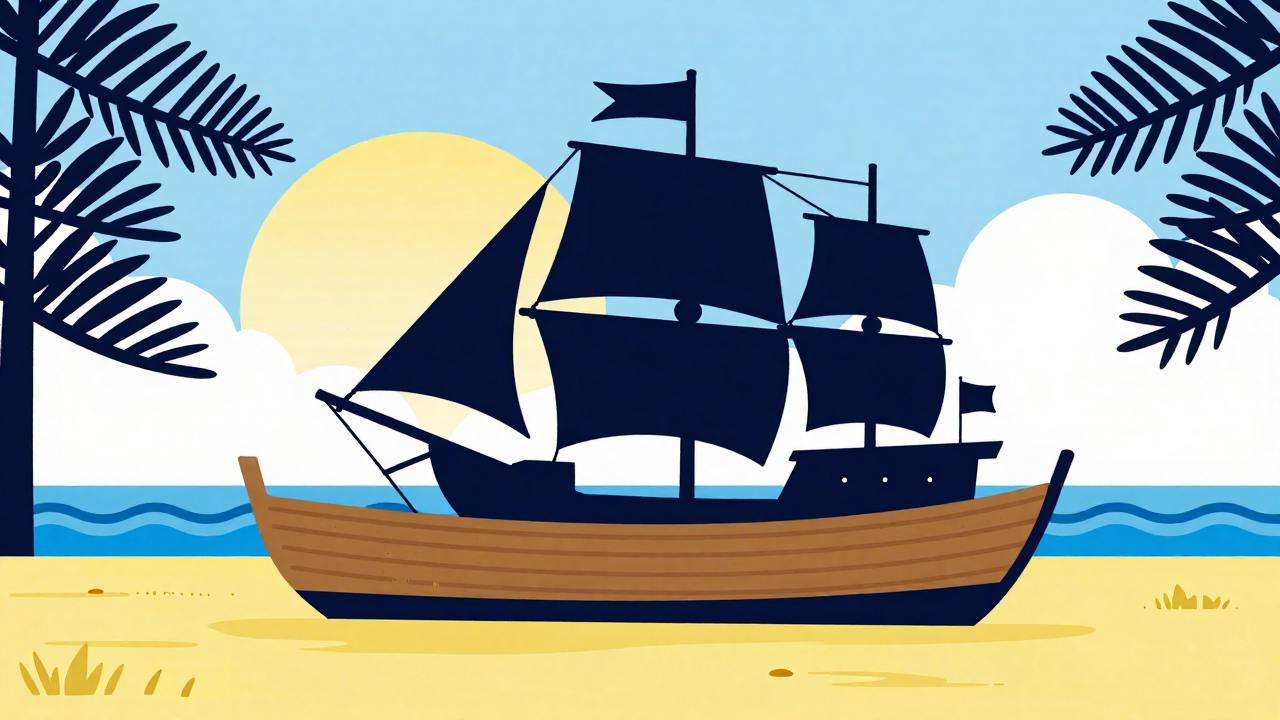
Bounty Day, observed on June 8, commemorates the arrival of the HMS Bounty in Pitcairn Island in 1789, following the famous mutiny led by Fletcher Christian against Captain William Bligh. The mutineers, seeking refuge from British naval authority, settled on this remote island, where they established a new community. The significance of this day stems not only from the historical event itself but also from the subsequent development of a unique culture and society that emerged from the remnants of the Bounty’s crew and Tahitian companions.
Initially, the observance of Bounty Day was a way for the descendants of the mutineers to honor their ancestors and the trials they faced in creating a new life on Pitcairn Island. Over time, the celebration has evolved to become a broader recognition of the island’s heritage and the resilience of its people. It involves community gatherings, cultural performances, and the sharing of traditional foods, reinforcing the bond among island residents and their shared history. The day serves as a reminder of the challenges and triumphs associated with their ancestors’ journey and the establishment of a sustainable community on the island.
Culturally, Bounty Day is significant not only for those living on Pitcairn Island but also for the descendants of the mutineers around the world. The observance highlights the unique blend of British and Polynesian cultures that developed on the island, showcasing traditional music, dance, and storytelling that reflect this rich heritage. As the island faces modern challenges, including demographic shifts and the impact of global influences, Bounty Day plays a crucial role in preserving the cultural identity and history of the Pitcairn community.
In summary, Bounty Day, celebrated on June 8, stands as a testament to the historical events surrounding the HMS Bounty and the enduring legacy of its crew. It serves as a celebration of resilience, cultural identity, and the importance of community, reminding both islanders and the wider world of the profound impact of their shared ancestry.