Basant Panchami
India, Nepal, Bangladesh, Pakistan
About
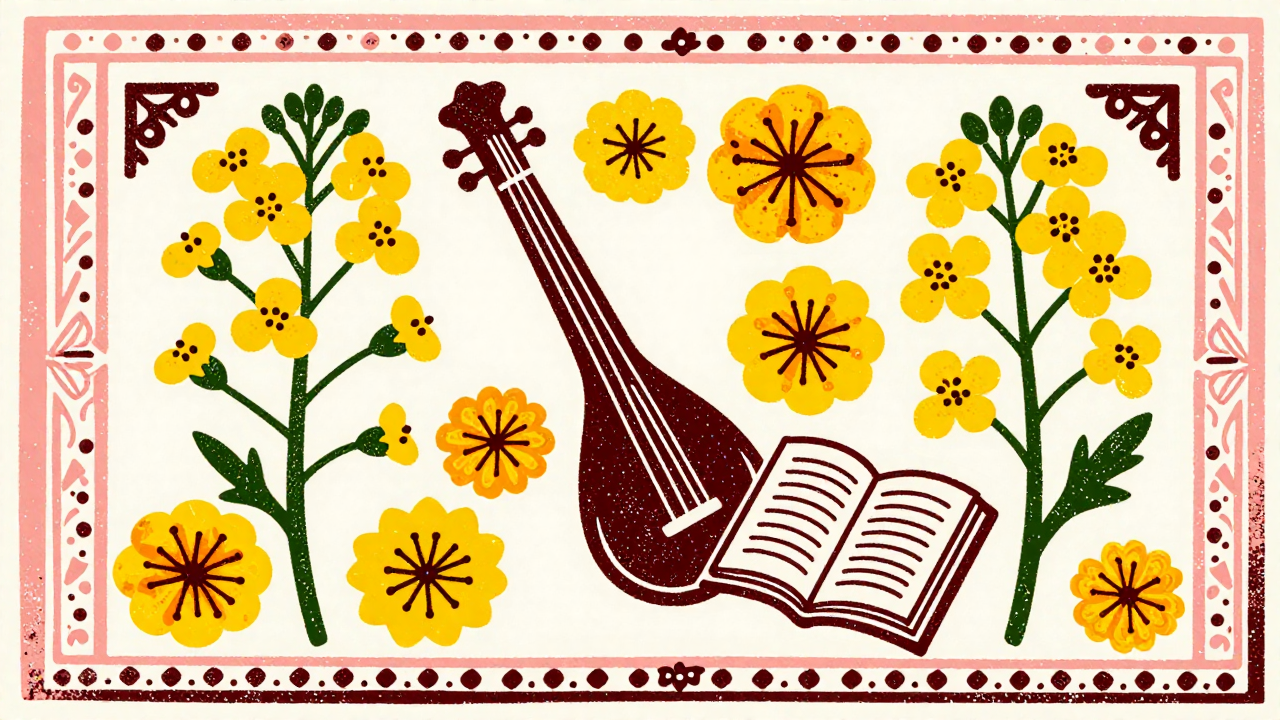
Basant Panchami, celebrated on February 11, marks the arrival of spring and is a vibrant festival that resonates with joy and renewal. This auspicious occasion is especially dedicated to Saraswati, the goddess of knowledge, music, art, and wisdom. As the chill of winter begins to fade, communities come alive with the bright colors of mustard flowers blooming in the fields, symbolizing the warmth and vibrancy of the new season. Families gather to honor Saraswati by placing her idols adorned with flowers and offerings of fruits, sweets, and sacred texts, creating a festive atmosphere filled with devotion and celebration.
On this day, it is customary for students, artists, and musicians to seek the blessings of Goddess Saraswati to inspire creativity and knowledge. Many people wear yellow attire, which represents the color of mustard blooms and signifies purity and prosperity. Schools often hold special prayers and cultural programs, where children participate in singing, dancing, and reciting poetry. Basant Panchami is not just a festival but a celebration of life, learning, and the beauty of nature, bringing people together to embrace the spirit of spring and the joy of new beginnings.
History
Basant Panchami, observed on February 11, is a vibrant festival celebrated primarily in India and Nepal, marking the onset of spring. Its origins are deeply rooted in Hindu traditions, where it is associated with the goddess Saraswati, the deity of knowledge, music, art, and wisdom. The festival typically occurs on the fifth day (Panchami) of the Hindu month of Magha, which usually falls between January and February in the Gregorian calendar. The celebration not only signifies the arrival of warmer weather but also heralds the start of the academic year for many educational institutions, as it is considered an auspicious time for learning and artistic pursuits.
Historically, Basant Panchami can be traced back to ancient texts and traditions that celebrate the goddess Saraswati. The day is marked by rituals and ceremonies dedicated to her, with devotees often dressing in yellow, symbolizing prosperity and the blossoming mustard flowers that adorn the fields during this season. This connection to nature and the changing seasons has allowed the festival to evolve into a celebration of life and renewal. Over time, Basant Panchami has incorporated various regional customs and practices, enriching its significance across different communities.
Culturally, Basant Panchami holds immense importance as it is not just a religious observance but also a time for social gatherings and communal harmony. Schools and colleges often organize special events, including prayers, music performances, and cultural programs dedicated to Saraswati. The day encourages people to seek knowledge and enlightenment, and families often place books and musical instruments near the goddess's idol, seeking her blessings. Additionally, the festival is celebrated with kite flying and traditional sweets, further blending cultural festivities with religious homage.
The celebration of Basant Panchami reflects the diverse tapestry of Indian culture, where mythology, nature, and education converge. As society has evolved, so too has the manner of celebration, allowing the festival to remain relevant and vibrant in contemporary times. Observed on February 11, Basant Panchami continues to inspire devotion and joy, reminding people of the beauty of knowledge, creativity, and the arrival of spring.