Barn Day
United States
About
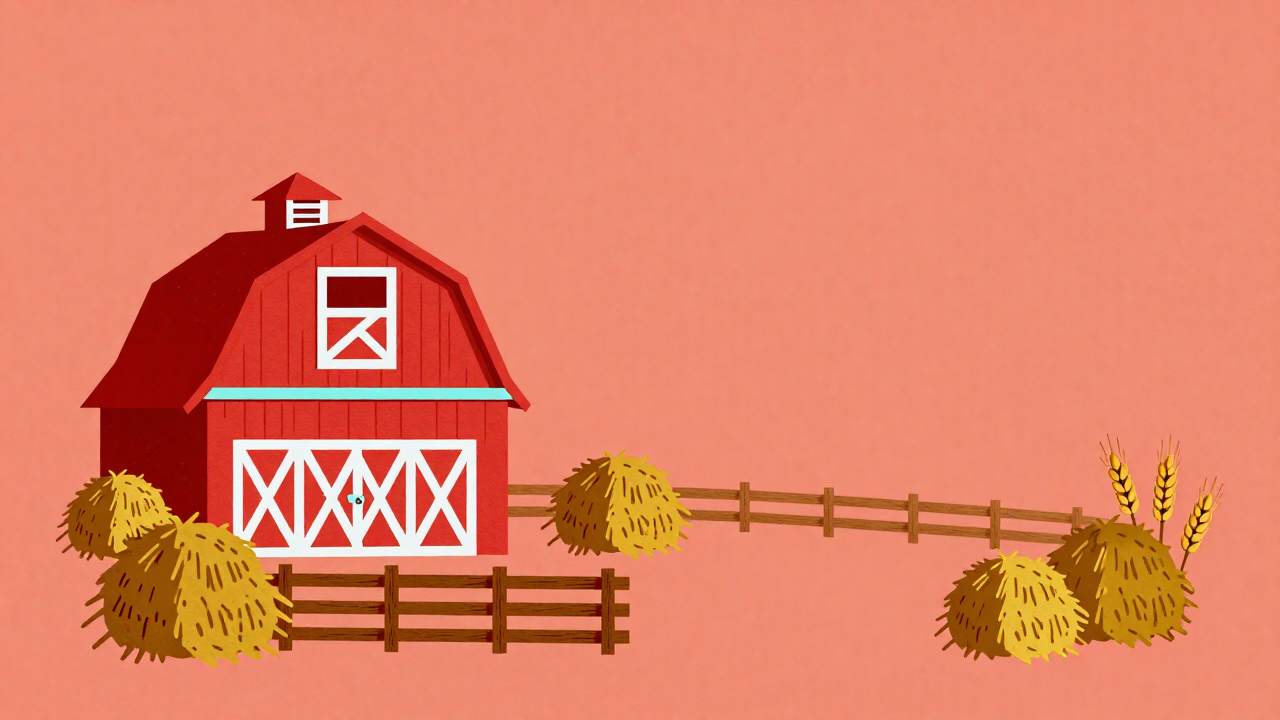
Barn Day, observed on July 11, is a warm celebration of the barns that have long stood at the heart of farms and rural communities. More than practical structures for storing crops, housing animals, and protecting equipment, barns represent hard work, self-sufficiency, family traditions, and the enduring connection between people and the land.
On this day, take a moment to appreciate the character and history of barns—whether by visiting a local farm, learning about traditional barn designs, photographing a beloved old structure, or sharing memories of life in the countryside. Barn Day is an invitation to recognize these familiar landmarks and the important role they continue to play in agricultural heritage.
History
Barn Day is observed annually on **July 11** as a day to recognize the historical, architectural, and practical importance of barns. Unlike long-established religious or civic holidays, it is a modern commemorative observance rather than a tradition with a single, widely documented founding event. Its purpose is to draw attention to barns as enduring features of rural landscapes and as structures closely associated with farming, livestock, food production, and community life.
The history behind Barn Day reaches back much further than the observance itself. Barns developed as essential agricultural buildings, providing shelter for animals, storage for hay and grain, and workspace for seasonal farm tasks. Their designs reflected local materials, climate, farming methods, and cultural traditions. In North America, familiar forms such as timber-frame, bank, gambrel-roof, and round barns became important landmarks, while older agricultural buildings in Europe influenced many later construction practices.
Over time, the role of barns changed as mechanized farming, specialized storage facilities, and modern agricultural technology reduced reliance on traditional farm buildings. Many barns were demolished, abandoned, converted into homes or businesses, or preserved as historic sites. Barn Day emerged in this broader context of appreciation and preservation, encouraging people to notice the craftsmanship and stories represented by surviving barns rather than viewing them merely as obsolete structures.
Culturally, barns symbolize more than agricultural labor. They evoke cooperation among rural families, seasonal rhythms, self-sufficiency, and the relationship between communities and the land. Observing Barn Day on **July 11** can therefore involve learning about regional barn architecture, visiting a historic farm, documenting an endangered structure, supporting preservation efforts, or sharing memories and photographs of barns. The observance gives renewed attention to buildings that helped shape rural economies and remain visible reminders of agricultural history.