Bang Clang Day
About
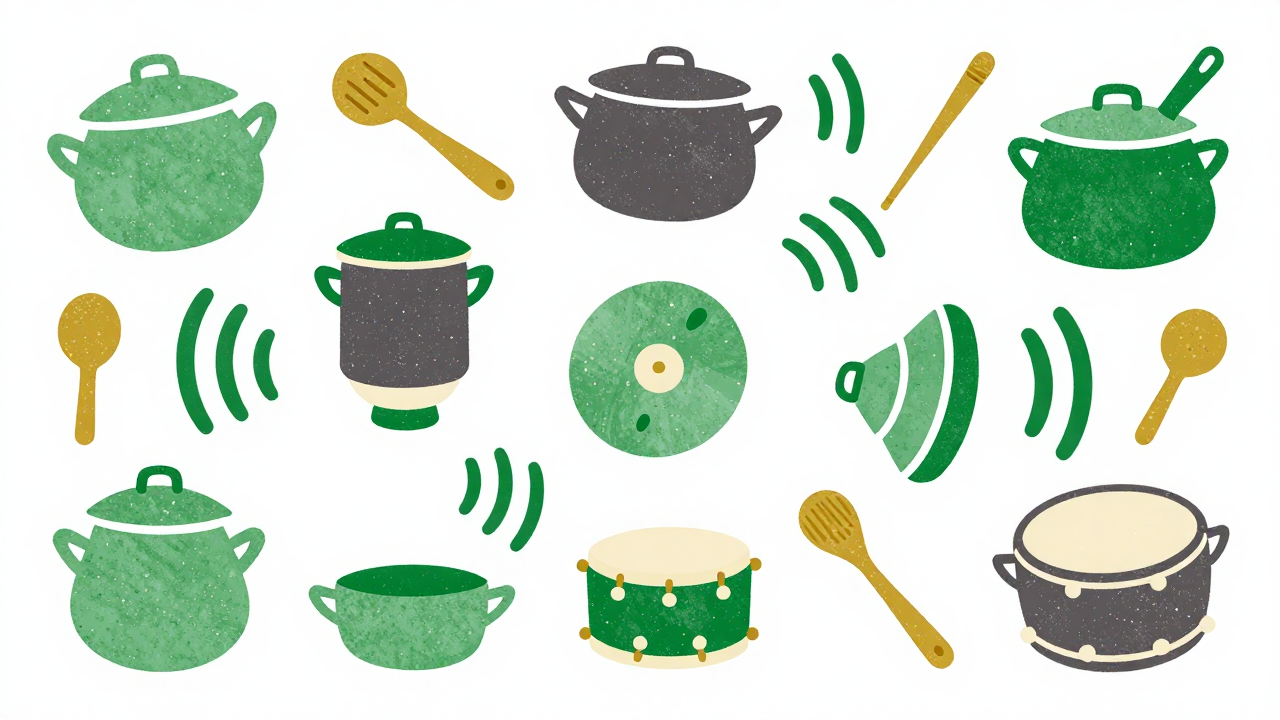
Bang Clang Day, celebrated on March 9, is a delightful observance that encourages everyone to embrace the joy of sound and rhythm in their everyday lives. This festive day invites individuals to make noise—literally! Whether through banging pots and pans, clanging cymbals, or simply clapping hands, the spirit of Bang Clang Day is all about celebrating the vibrancy of sound and the joyful creativity it can inspire. It's a wonderful opportunity for families and friends to come together, create a symphony of their own, and share in the fun of making noise.
The origins of Bang Clang Day may be rooted in the idea of expressing oneself through sound, reminding us of the importance of playfulness and spontaneity in our lives. On this special day, participants are encouraged to let loose and engage in activities that make their hearts sing, whether that’s hosting a lively gathering filled with music and dance or simply enjoying the sounds of nature. So mark your calendars for March 9, gather your noisemakers, and join in the celebration—it's a day to let your spirit ring loud and clear!
History
Bang Clang Day, observed annually on March 9, has its origins rooted in the celebration of sound and rhythm, particularly the joy associated with musical instruments and the creativity they inspire. The observance encourages individuals and communities to engage with music, emphasizing the importance of artistic expression in daily life. Although the exact beginnings of Bang Clang Day are difficult to pinpoint, it is widely believed to have emerged in the early 21st century as a grassroots movement to promote music appreciation and participation.
As Bang Clang Day evolved over the years, it gained traction in various communities, leading to the establishment of local festivals and events centered around musical performances. Musicians and enthusiasts would gather to celebrate by playing instruments, participating in parades, and hosting jam sessions. Schools and community centers began to incorporate educational programs that focused on music, fostering a sense of collaboration and creativity among participants. This evolution reflects a growing recognition of music's role in cultural identity and community bonding.
The cultural significance of Bang Clang Day is multifaceted, as it celebrates not only music but also the diverse traditions and genres that span across cultures. On March 9, people from different backgrounds come together to share their unique musical styles, creating a rich tapestry of sounds that honors both local and global influences. This day serves as a reminder of the unifying power of music, encouraging individuals to explore their own musical interests while appreciating those of others.
In contemporary society, Bang Clang Day has become an opportunity for educational institutions, community organizations, and music lovers to advocate for the importance of arts education. Events held on this day often highlight the benefits of music in cognitive development, emotional expression, and social interaction. As it continues to grow in popularity, Bang Clang Day stands as a testament to the enduring power of music and the intrinsic joy it brings to people's lives, reinforcing its place as a cherished observance each March 9.