Backwards Day
United States, Canada
About
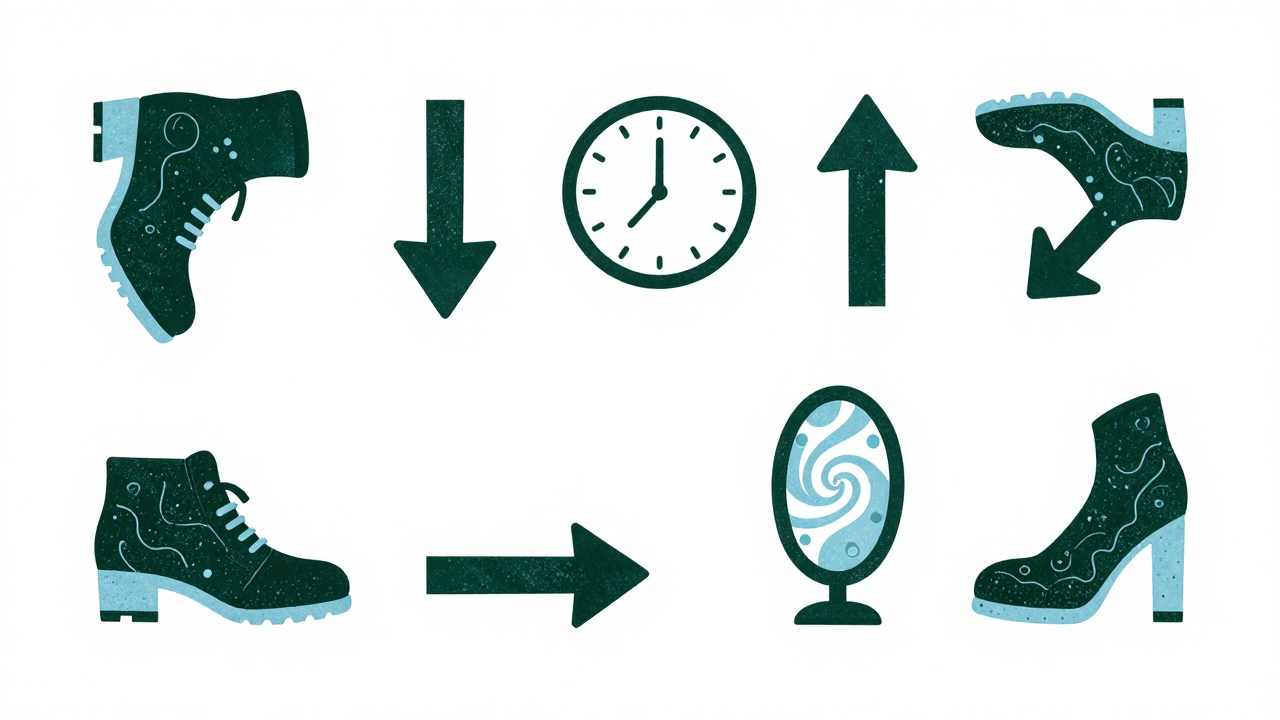
Backwards Day, celebrated on January 31, is a whimsical and lighthearted occasion that invites everyone to turn their world upside down, quite literally! This playful observance encourages participants to do things in reverse, whether that means wearing their clothes backward, speaking in reverse sentences, or even walking backward for a day. It’s a delightful way to spark creativity, embrace silliness, and break away from the routine of everyday life.
As you take part in Backwards Day, the goal is to have fun and challenge the norm. Families, friends, and even colleagues can join in the merriment by flipping their usual activities on their heads. Imagine greeting your loved ones with "Goodbye!" instead of "Hello!" or enjoying breakfast for dinner. This observance not only brings laughter but also reminds us not to take life too seriously. So, mark your calendars for January 31 and get ready to step into a world where the usual rules don’t apply—embracing the joy of the unexpected!
History
Backwards Day, celebrated on January 31, is a whimsical observance that encourages participants to do everything in reverse. The origins of this unique holiday are somewhat unclear, but it is believed to have roots in playful traditions that celebrate inversion and contradiction. The concept of reversing routines can be traced back to various cultures that engage in festivities that challenge norms, such as Carnival or the Roman festival of Saturnalia, where societal roles were turned upside down. Backwards Day likely emerged as a modern, light-hearted take on these age-old practices.
Over time, Backwards Day has gained popularity, especially in educational settings. Teachers often use this day as an opportunity to engage students in creative thinking and fun activities that break the monotony of traditional learning. The idea of doing things backward—such as speaking, dressing, or even writing—encourages children to think outside the box and explore new perspectives. Celebrating this day has thus evolved into a form of playful learning, where the emphasis is on creativity and laughter rather than strict adherence to rules.
Culturally, Backwards Day resonates with the human inclination towards play and humor. It serves as a reminder that life does not always have to be serious and that embracing silliness can foster joy and connection among individuals. The observance is often marked by antics like wearing clothes backward, eating meals in reverse order, or even attempting to speak in reverse sentences. This playful disruption of routine allows participants to reflect on their everyday habits and encourages a more relaxed approach to life's challenges.
In summary, Backwards Day on January 31 embodies the spirit of creativity, humor, and rebellion against the mundane. While its exact origins may be nebulous, its evolution reflects a broader cultural appreciation for playfulness in our daily lives. This observance continues to inspire individuals, particularly children, to explore their imaginations and enjoy the lighter side of existence, making it a cherished addition to the calendar of quirky and engaging holidays.