Ascension Day (Saint Martin)
Netherlands, Belgium, Germany, Luxembourg, Switzerland
About
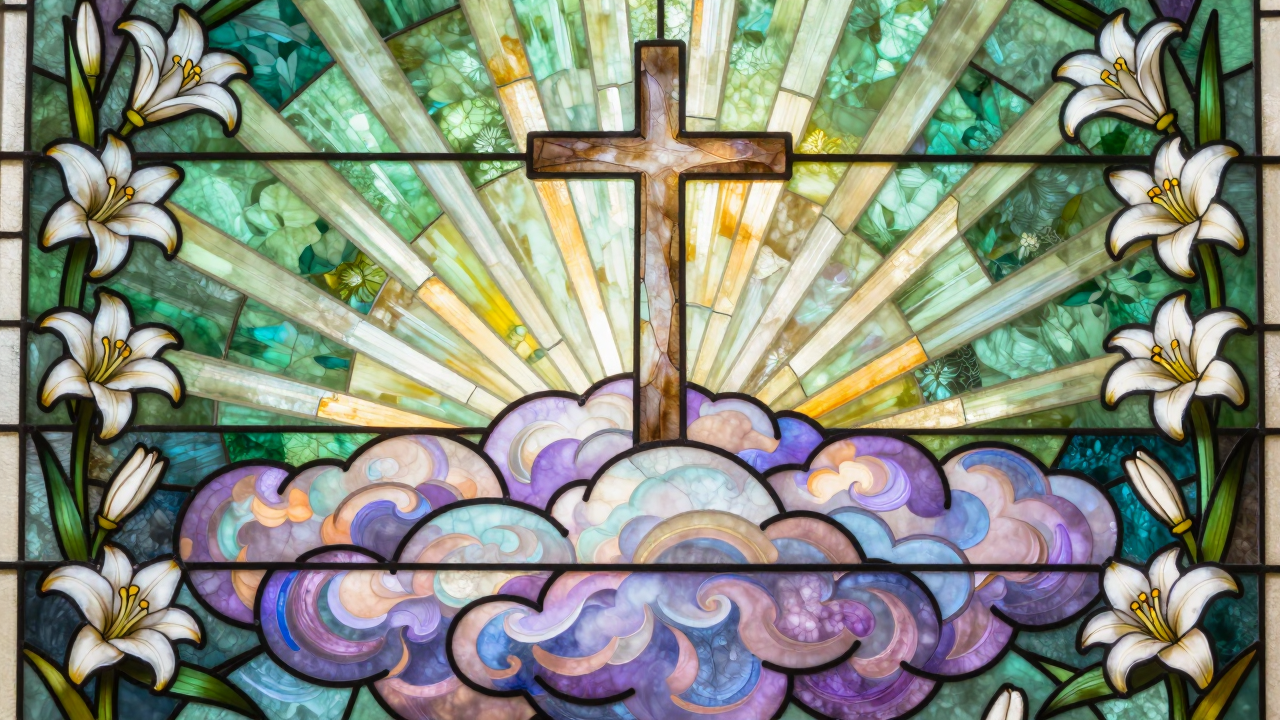
Ascension Day (Saint Martin), celebrated on May 6, is a cherished observance that marks a significant moment in the Christian calendar. This day commemorates the ascension of Jesus Christ into heaven, an event that signifies the culmination of His earthly ministry and the promise of His return. In many communities, this day is an occasion for reflection, joy, and spiritual renewal, as believers come together to celebrate the hope and faith encapsulated in this pivotal moment.
On Ascension Day, families and congregations often engage in various traditions that foster community and connection. Special church services are held, featuring prayers, hymns, and sermons that remind attendees of the importance of faith and the call to carry forward the teachings of Christ. In some regions, festive meals and gatherings follow, where people share stories, laughter, and a sense of belonging. This observance not only encourages spiritual growth but also strengthens bonds among friends and family, making it a heartwarming occasion reflective of love and unity.
History
Ascension Day (Saint Martin), observed on May 6, has its roots in the Christian tradition, specifically commemorating the ascension of Jesus Christ into heaven, which is described in the New Testament. This observance is particularly significant in the Christian liturgical calendar as it marks the culmination of the Easter season and the promise of the Holy Spirit's arrival at Pentecost, which follows ten days later. The date of May 6 is specifically tied to the traditions of Saint Martin, a figure who has been celebrated in various ways throughout history, particularly within the Christian communities of Europe.
The origins of Ascension Day can be traced back to the early Christian church. According to the Gospel of Luke and the Book of Acts, Jesus ascended into heaven forty days after his resurrection, an event that was likely celebrated by early Christians as a pivotal moment in their faith. The observance on May 6 is particularly linked to the influence of Saint Martin, who was known for his piety and charitable acts. As Christianity spread throughout Europe, especially in the regions influenced by the life of Saint Martin, the celebration of this day began to incorporate local customs and traditions, reflecting the community's cultural identity while maintaining its religious significance.
Over the centuries, Ascension Day (Saint Martin) evolved to include various local customs and practices. While the core religious observance remained centered on the ascension of Christ, it became a day for community gatherings, feasting, and reflection. In some cultures, it is a time for processions and communal prayers, while in others, it may include joyful celebrations that reflect the arrival of spring and the promise of renewal. The blending of local traditions with the religious observance has allowed Ascension Day to maintain its relevance and significance across different cultures and communities.
Culturally, Ascension Day (Saint Martin) serves as an important reminder of hope and transformation. It encourages believers to reflect on the teachings of Christ and the implications of his ascension for their lives. The observance fosters a sense of community, as it provides an opportunity for people to come together in faith, share in the joy of the season, and reinforce their spiritual connections. The day not only commemorates a key event in the Christian narrative but also highlights the enduring legacy of Saint Martin, who continues to inspire acts of kindness and community service in many cultures around the world.