Argentina Independence day
Argentina
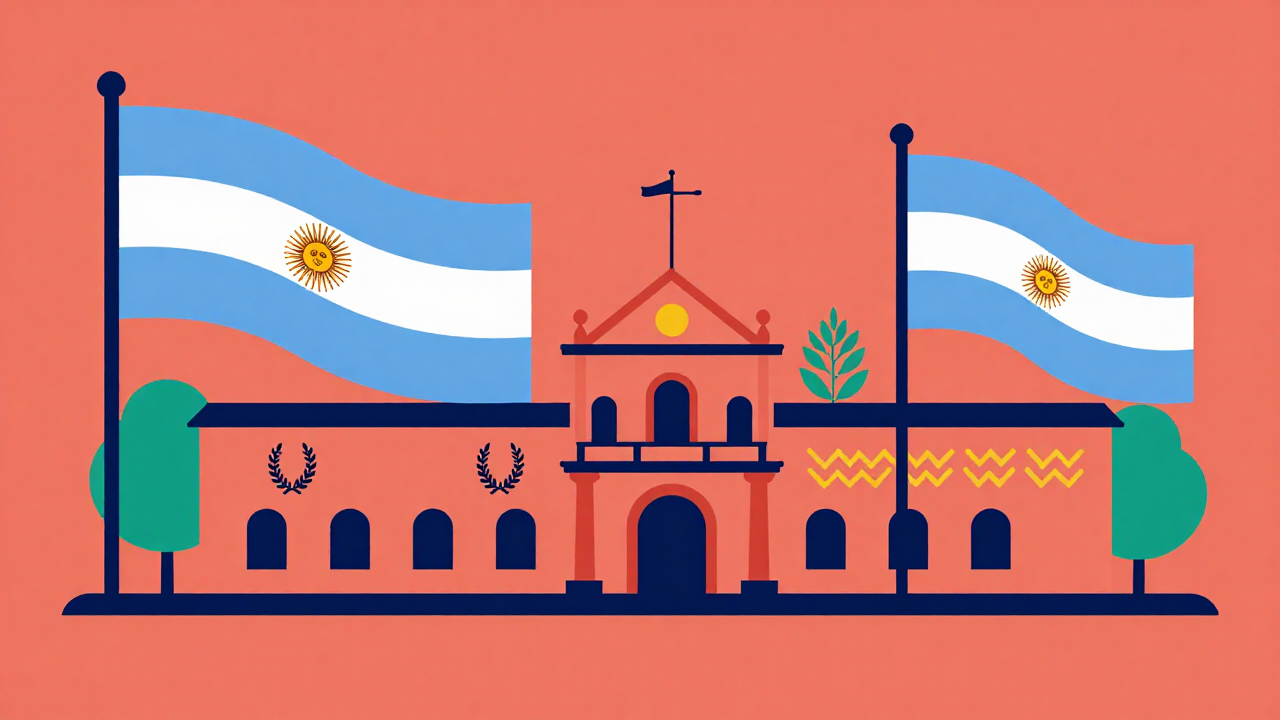
About
Argentina Independence Day, observed on July 9, commemorates the declaration of independence from Spanish rule in 1816. On that day, representatives from the United Provinces of the Río de la Plata gathered in San Miguel de Tucumán and formally affirmed the region’s determination to govern itself.
The occasion is celebrated throughout Argentina with patriotic events, music, traditional foods, flags, and community gatherings. It is a meaningful time for people to honor the country’s history, recognize the courage and vision of its independence leaders, and celebrate Argentina’s culture and national identity.
History
Argentina Independence Day, observed on July 9, commemorates the declaration of independence issued in 1816 by the Congress of Tucumán. The declaration formally separated the United Provinces of the Río de la Plata from Spanish rule and from any other foreign power. It followed the May Revolution of 1810, the formation of successive revolutionary governments in Buenos Aires, and years of military and political conflict across the former Spanish territories of South America. Delegates gathered in Tucumán because the city was removed from the immediate pressures surrounding Buenos Aires and had become an important center of the independence movement.
On July 9, 1816, representatives approved the Act of Independence, asserting that the provinces were free and independent from Spanish domination. A later clarification also rejected dependence on other foreign powers, reflecting concern about European efforts to restore monarchies after the Napoleonic Wars. The declaration was closely connected to the broader liberation campaigns led by figures such as José de San Martín, whose military plans in the Andes and Chile were intended to weaken Spanish control in South America. Although the new political union faced internal disagreements and did not immediately produce a stable modern Argentine state, the act at Tucumán became a foundational moment in the country’s national history.
Over time, July 9 developed from a political commemoration into one of Argentina’s principal national holidays. Public celebrations have traditionally included official ceremonies, speeches, military presentations, school programs, concerts, and the display of the national flag. The date has also been associated with regional traditions, including folk music, dancing, and foods such as locro, empanadas, and other dishes regarded as part of Argentina’s shared cultural heritage. In Tucumán, the historic house where the declaration was signed holds particular symbolic importance and serves as a focal point for commemorative activities.
Culturally, Argentina Independence Day represents more than the end of colonial authority: it celebrates the development of a collective national identity shaped by diverse provinces, communities, and traditions. The observance provides an opportunity to remember the delegates and soldiers who contributed to independence while reflecting on the political challenges that followed it. Each July 9, ceremonies and family celebrations connect the country’s present to the decision made at Tucumán in 1816 and reinforce the values of sovereignty, civic belonging, and national unity.