Angola Carnival Day
Angola
About
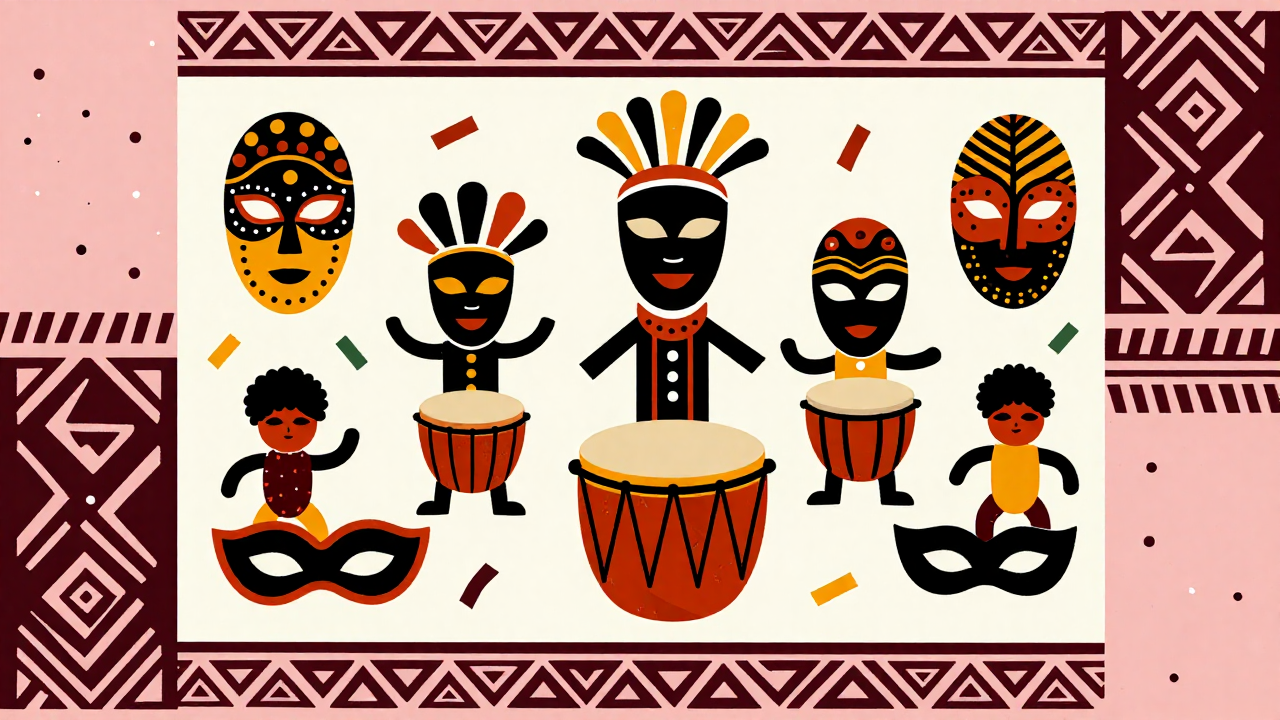
Angola Carnival Day, celebrated on February 9, is a vibrant and lively event that showcases the rich cultural heritage of Angola. This day marks the beginning of the pre-Lenten festivities, drawing both locals and visitors into a whirlwind of colorful parades, traditional music, and exuberant dance. The carnival is not just a feast for the eyes; it is also a time for community bonding, as families and friends come together to enjoy the festivities, highlighting the spirit of unity and joy that defines Angolan culture.
The heart of Angola Carnival Day lies in its captivating performances, which feature elaborate costumes, rhythmic drumming, and dynamic dance routines that reflect the country’s diverse heritage. From the energetic samba to traditional Angolan dances, participants express their creativity and pride in their cultural roots. As the sun sets, the streets come alive with laughter, music, and the delicious aroma of local cuisine, inviting everyone to partake in the celebration. Angola Carnival Day is not only a celebration of life and joy but also a time to honor the traditions that bind communities together, making it a truly unforgettable experience for all who take part.
History
Angola Carnival Day, celebrated on February 9, has deep roots in the country's history, tracing back to its colonial era and the influences of various cultural traditions. The origins of the carnival can be linked to the arrival of Portuguese colonizers in the 16th century, who brought with them European carnival traditions. Over time, these customs blended with indigenous African practices, creating a unique festival that reflects Angola's diverse cultural heritage. The carnival marks the beginning of Lent in the Christian calendar, serving as a time of revelry and celebration before the period of fasting.
As Angola gained independence from Portugal in 1975, the carnival evolved significantly, becoming a symbol of national pride and identity. The celebration incorporated traditional Angolan music, dance, and art forms, showcasing the rich cultural tapestry of the nation. During the late 20th century, the festival began to reflect the struggles and aspirations of the Angolan people, highlighting themes of unity, resilience, and hope. The event became a platform for social commentary and artistic expression, with participants often using costumes and performances to convey political and social messages.
Culturally, Angola Carnival Day is a vibrant showcase of the country's traditions and creativity. The celebration features parades, music, and dance, with groups competing to present the most elaborate floats and costumes. Traditional Angolan rhythms, such as semba and kizomba, take center stage, encouraging community participation and creating a festive atmosphere. The carnival fosters a sense of belonging and pride among Angolans, as people from different backgrounds come together to celebrate their shared heritage.
Today, Angola Carnival Day remains a vital part of the country's cultural landscape, attracting both locals and tourists who wish to experience its exuberance. The event serves as a reminder of Angola’s rich history and the enduring spirit of its people. As the nation continues to evolve, the carnival stands as a testament to the resilience and creativity of Angolans, celebrating their past while looking forward to the future.