All Saints Day
Andorra, Austria, Belgium, Bolivia, Brazil, Chile, Colombia, Croatia, Ecuador, France, Germany, Guatemala, Haiti, Hungary, Italy, Lebanon, Liechtenstein, Lithuania, Luxembourg, Malta, Mexico, Monaco, Peru, Philippines, Poland, Portugal, San Marino, Slovakia, Slovenia, Spain, Switzerland, United States, Uruguay, Vatican City
About
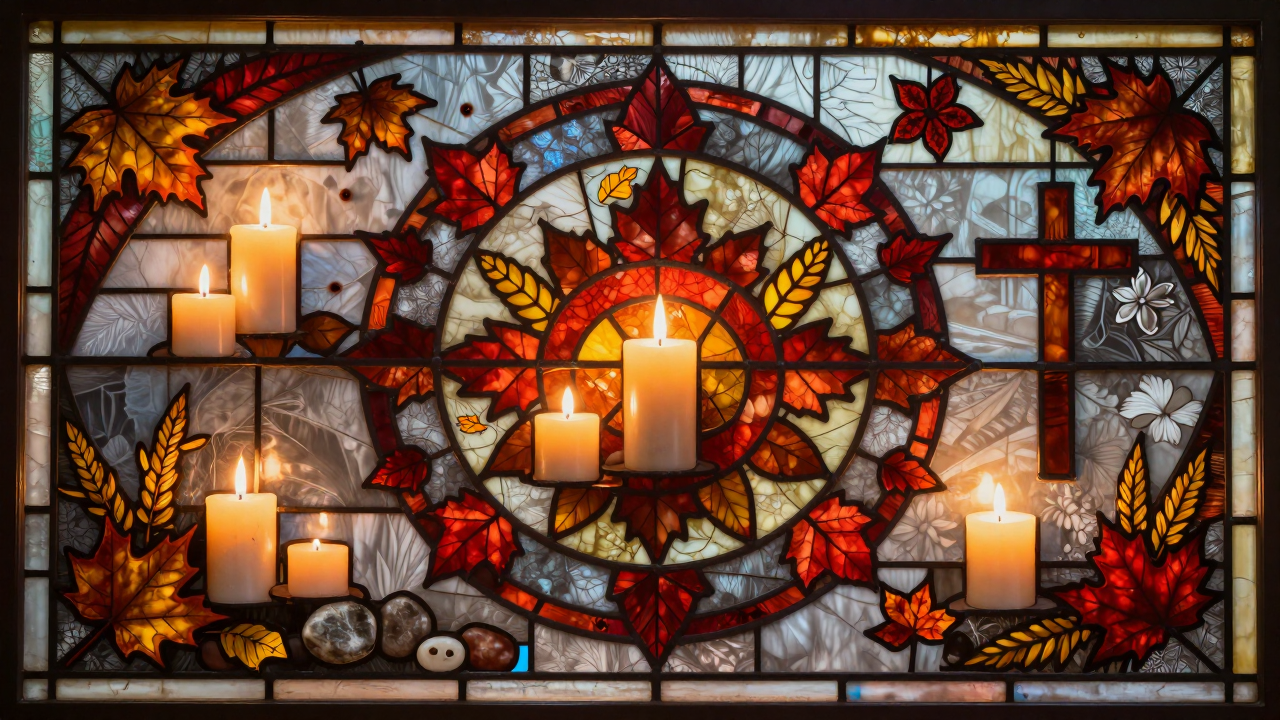
All Saints Day, observed on November 1, is a Christian celebration honoring all saints—both those formally recognized by the Church and the many faithful people whose lives reflected compassion, courage, and devotion. It is a time to remember the examples set by these inspiring individuals and to reflect on the values they represent.
Across different communities, All Saints Day may be marked with church services, prayers, special gatherings, and visits to cemeteries. The observance offers a meaningful opportunity for people of faith to celebrate lives of goodness, express gratitude for spiritual role models, and consider how they can bring kindness and hope to others.
History
All Saints Day, observed on **November 1**, is a Christian feast honoring all the saints—both those formally recognized by the Church and the countless faithful whose holiness is known only to God. Its origins lie in the early Christian practice of commemorating martyrs who had died for their faith. As the number of martyrs grew, churches began setting aside collective observances rather than assigning a separate feast day to every individual saint. This practice gradually developed into a broader celebration of the entire community of saints.
A significant early milestone occurred when Pope Boniface IV dedicated the former Roman Pantheon as a Christian church in the early seventh century, placing it under the patronage of the Virgin Mary and the martyrs. The dedication helped establish a large-scale feast connected with the remembrance of saints. In the eighth century, Pope Gregory III dedicated a chapel in St. Peter’s Basilica to all saints, and the observance associated with **November 1** was later extended throughout the Western Church during the reign of Louis the Pious, traditionally linked with the influence of Pope Gregory IV.
Over time, All Saints Day became closely connected with the evening before it, known as All Hallows’ Eve, and with All Souls’ Day, observed on November 2. Although these observances are distinct, together they form a period focused on remembrance, the communion between the living and the dead, and hope in eternal life. Customs have varied widely, including attending church services, visiting cemeteries, lighting candles, praying for the departed, and honoring local saints and ancestors.
Culturally, All Saints Day remains important because it presents sainthood as both a historical inheritance and a spiritual ideal. In some predominantly Catholic countries, **November 1** is a public holiday marked by family gatherings, cemetery visits, flowers, and memorial ceremonies. The day also reflects the way Christianity adapted communal remembrance practices across different regions while preserving a central theme: honoring exemplary believers and celebrating the enduring influence of their lives. (Source: [National Today](https://nationaltoday.com/all-saints-day/))