World Zoonoses Day
United States, Canada, United Kingdom, France, Australia, India, Bangladesh, Pakistan, Nepal, Philippines, Indonesia, Nigeria, Kenya, South Africa, Brazil
About
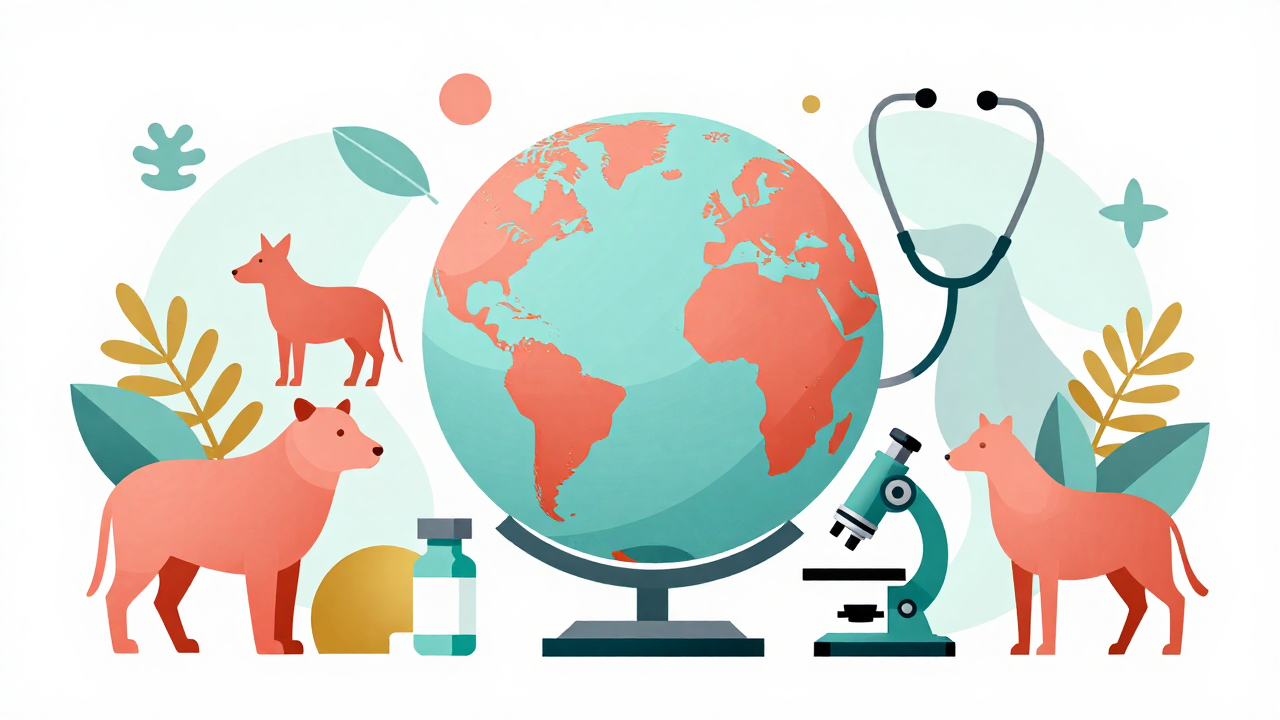
World Zoonoses Day, observed on July 6, raises awareness of zoonotic diseases—illnesses that can pass between animals and people. The day highlights how closely human, animal, and environmental health are connected, while recognizing the importance of research, prevention, responsible animal care, and access to veterinary and medical support.
July 6 also commemorates Louis Pasteur’s first successful administration of a rabies vaccine in 1885, a milestone in the fight against a deadly zoonotic disease. It is an opportunity for communities to learn how infections spread, support good hygiene and vaccination practices, and appreciate the cooperation among health professionals, scientists, veterinarians, farmers, and families that helps protect everyone.
History
World Zoonoses Day is observed annually on **July 6** to recognize the history of zoonotic diseases—illnesses that can pass between animals and humans—and to promote cooperation among public-health, veterinary, and environmental professionals. The date commemorates **July 6, 1885**, when French scientist Louis Pasteur administered one of the earliest successful post-exposure rabies treatments to Joseph Meister, a nine-year-old boy who had been bitten by a rabid dog. Pasteur’s work became a landmark in the development of preventive medicine and helped demonstrate the importance of studying diseases that affect both animals and people.
The observance grew from this historical connection to rabies and Pasteur’s contribution to infectious-disease science. Over time, its focus expanded beyond rabies to include a broad range of zoonotic infections, such as influenza viruses, Ebola, brucellosis, leptospirosis, and diseases caused by parasites and bacteria. Although July 6 has a clear symbolic link to the 1885 treatment, World Zoonoses Day is primarily an awareness observance rather than a single international campaign with one universally recognized founding organization. Health institutions and educational groups use it to emphasize prevention, surveillance, vaccination, responsible animal care, and rapid reporting of unusual disease outbreaks.
The meaning of the day has become increasingly connected with the **One Health** approach, which recognizes that human health is closely linked to the health of animals and the condition of the environment. Changes in land use, wildlife trade, intensive farming, urbanization, and international travel can influence how pathogens emerge and spread. Consequently, World Zoonoses Day encourages collaboration between physicians, veterinarians, scientists, farmers, policymakers, and communities rather than treating human and animal health as separate concerns.
Culturally, the observance provides an opportunity to remember major advances in medical history while encouraging practical public awareness. Activities associated with July 6 may include educational campaigns, discussions about rabies prevention, information on safe handling of animals and food, and outreach about seeking medical care after possible exposure. Its continuing significance lies in connecting Pasteur’s pioneering work with modern efforts to prevent, detect, and respond to diseases shared between animals and humans.