World Meteorological Day
United States, Canada, United Kingdom, Australia, India, Germany, France, Japan, Brazil, South Africa
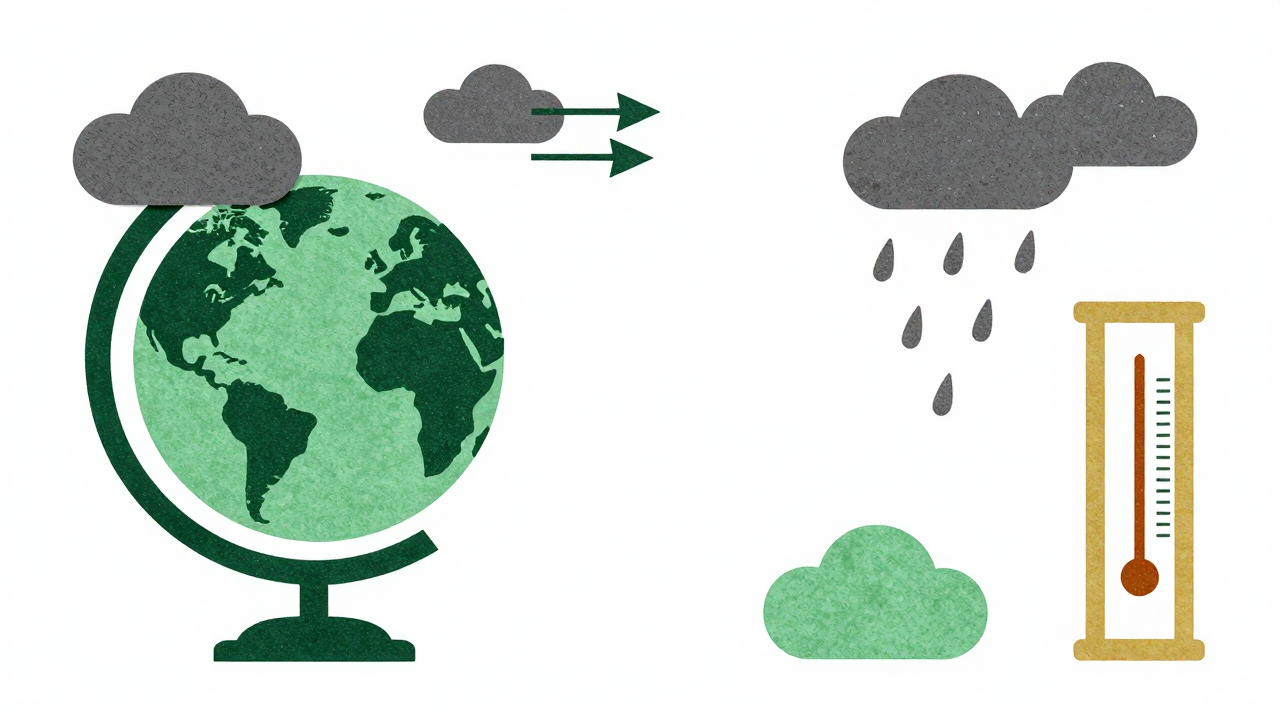
About
World Meteorological Day, celebrated on March 23 each year, is a cherished occasion that highlights the vital role of meteorology in our daily lives. This observance commemorates the establishment of the World Meteorological Organization (WMO) in 1950, a specialized agency of the United Nations dedicated to promoting international cooperation in meteorology, climatology, hydrology, and related fields. As we gather to recognize this day, we are reminded of the importance of weather and climate monitoring, which helps us prepare for and respond to natural disasters, understand climate change, and protect our environment.
On this day, communities around the globe come together to appreciate the fascinating science behind weather forecasting and climate studies. Educational programs, workshops, and events are often organized to raise awareness about the impact of weather on our lives and the importance of sustainable practices. Whether it’s a sunny day or a stormy one, World Meteorological Day encourages us to reflect on how interconnected we are with our atmosphere and emphasizes the need for collaboration in addressing the challenges posed by climate change. So, as March 23 approaches, let’s celebrate the tireless work of meteorologists and the essential services they provide to safeguard our planet and its inhabitants.
History
World Meteorological Day is observed annually on March 23, commemorating the establishment of the World Meteorological Organization (WMO) in 1950. The WMO was created to enhance international cooperation in meteorology, climatology, hydrology, and related fields, which are essential for understanding and predicting weather patterns and addressing climate issues. The choice of March 23 marks the date when the WMO officially came into existence, solidifying a collaborative effort among countries to improve weather forecasting and research.
Initially, the observance of World Meteorological Day aimed to raise awareness about the importance of meteorology and its role in daily life. Over the years, the significance of this day has expanded to emphasize the critical impact of weather and climate on various sectors, including agriculture, transportation, and disaster management. As global concerns about climate change intensified, World Meteorological Day evolved to focus more on these pressing issues, highlighting the need for sustainable practices and adaptation strategies to mitigate the effects of extreme weather conditions.
Culturally, World Meteorological Day serves as a reminder of the interconnectedness of nations in facing climate-related challenges. Various events and activities take place around this time, including educational programs, workshops, and public outreach campaigns designed to inform and engage communities about meteorological science. Each year, the WMO selects a specific theme for the observance, which helps to tailor discussions and initiatives that resonate with current global weather and climate concerns, fostering a deeper understanding of these crucial topics.
The observance has grown to inspire a broad range of stakeholders, from government agencies and scientists to educators and the general public. By recognizing World Meteorological Day on March 23, participants globally engage in conversations about the importance of meteorological data and its applications in everyday life. This day not only highlights advancements in weather technology but also calls for collective action to address the challenges posed by climate variability and change, reinforcing the vital role of meteorology in promoting resilience and sustainability across the globe.