World Chagas Disease Day
Brazil, Argentina, Bolivia, Colombia, Paraguay, Venezuela, Mexico, Peru, United States, Spain
About
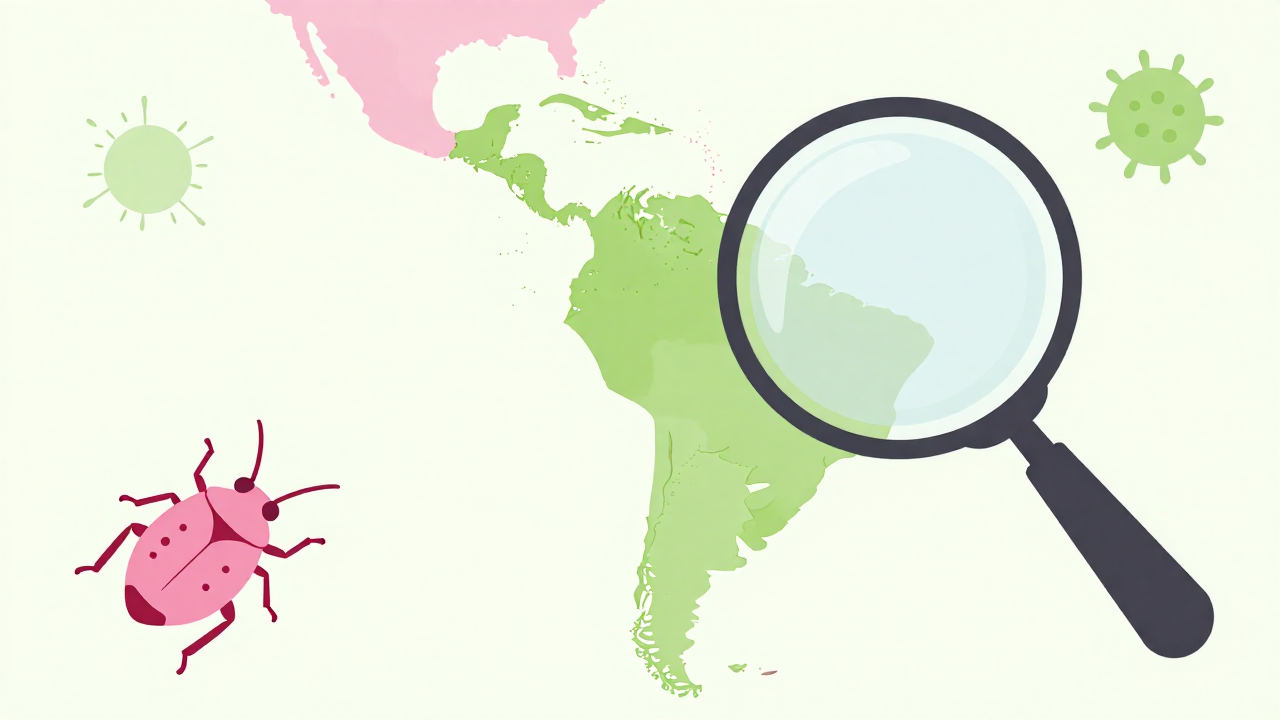
World Chagas Disease Day, observed annually on April 14, serves as a vital reminder of the importance of global health awareness and action. This day is dedicated to raising awareness about Chagas disease, a parasitic infection caused by the Trypanosoma cruzi parasite, which is primarily transmitted through the bite of infected triatomine bugs. Millions of people, particularly in Latin America, are affected by this disease, and many remain unaware of its impacts. By commemorating this day, we shine a light on the need for education, prevention, and treatment options for those at risk.
As we celebrate World Chagas Disease Day, communities around the globe come together to share knowledge and resources, fostering a sense of solidarity in the fight against this often-overlooked disease. Events such as health fairs, educational workshops, and community outreach programs are organized to empower individuals with information about prevention and early diagnosis. This observance not only emphasizes the importance of addressing Chagas disease but also highlights the broader need for access to healthcare and support for vulnerable populations everywhere. Join us on April 14 to advocate for awareness, treatment, and hope for those affected by Chagas disease, and help us build a healthier future for all.
History
World Chagas Disease Day is observed annually on April 14, a date that holds significant importance in raising awareness about this neglected tropical disease. The observance was officially established by the World Health Organization (WHO) in 2020, with the intention of highlighting the global impact of Chagas disease and the ongoing efforts to combat it. The date was chosen to honor the birthday of Dr. Carlos Chagas, the Brazilian physician who discovered the disease in 1909. His groundbreaking work not only identified the causative agent, the Trypanosoma cruzi parasite, but also described the disease's various clinical manifestations, thereby laying the foundation for future research and public health initiatives.
Since its inception, World Chagas Disease Day has evolved to encompass a broader focus on education, prevention, and treatment of the disease, which primarily affects impoverished communities in Latin America. The observance serves as a platform for health organizations, governments, and advocates to collaborate on strategies aimed at improving diagnosis and access to care for those affected. As awareness spreads, efforts to implement policies and allocate resources to combat Chagas disease have gained momentum, reflecting a growing recognition of its impact beyond the regions where it is endemic.
Culturally, World Chagas Disease Day underscores the importance of health equity and the need for global solidarity in addressing neglected diseases. It aims to raise awareness not just among healthcare professionals and policymakers, but also within communities where Chagas disease remains prevalent. Events held on this day often include educational campaigns, health fairs, and community outreach programs designed to inform individuals about prevention methods, such as vector control and the importance of seeking medical care for symptoms related to the disease.
As the observance continues to gain traction, its significance is increasingly acknowledged in the global health agenda. By fostering dialogue and collaboration across various sectors, World Chagas Disease Day strives to reduce the stigma associated with the disease and promote a more inclusive approach to health care. This observance not only commemorates the legacy of Dr. Chagas but also emphasizes the urgent need for action to improve the lives of millions affected by this often-overlooked disease.