State Rebellion Day
About
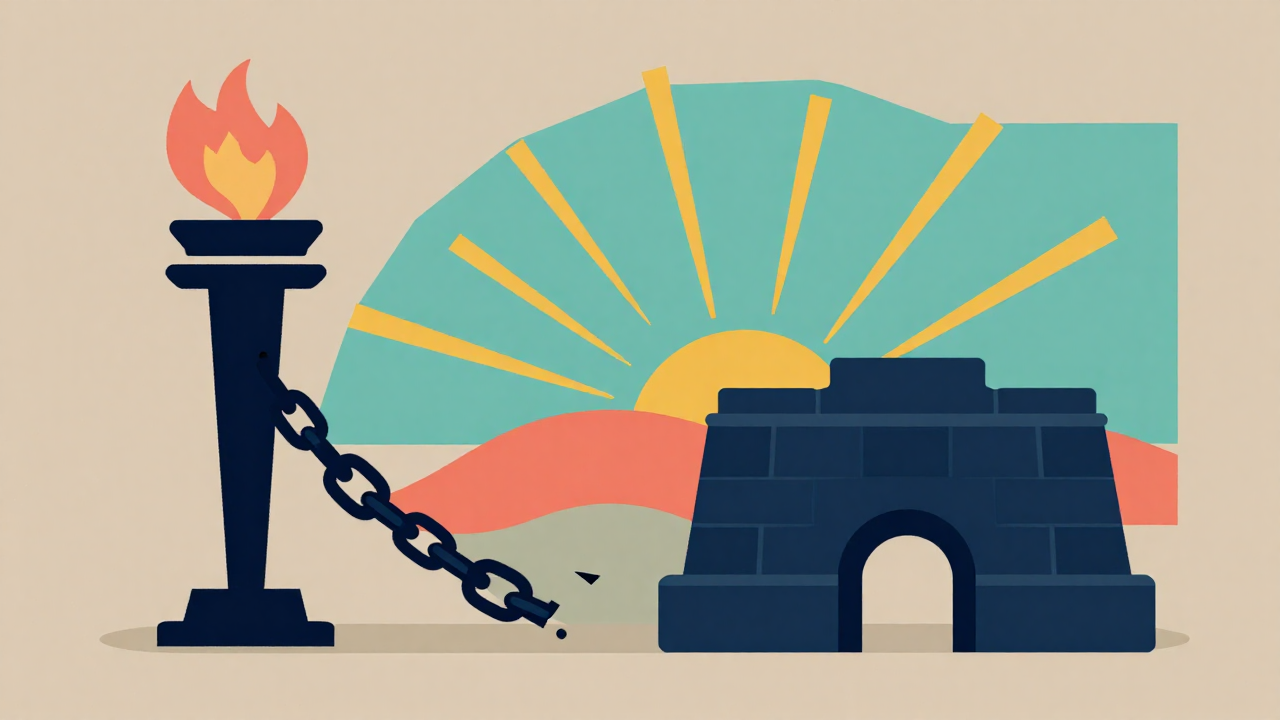
State Rebellion Day, observed on July 9, honors the spirit of resistance, self-determination, and the courage to stand up for a community’s rights and future. The observance offers an opportunity to reflect on the struggles that shaped local identity and to remember the people whose determination helped inspire change.
On July 9, people can mark State Rebellion Day by learning about the history behind the observance, sharing stories of resilience, and discussing the importance of civic participation and community solidarity. It is a meaningful time to recognize the power of collective action while looking toward a more hopeful and united future.
History
**State Rebellion Day is observed on July 9.** Unlike nationally established public holidays tied to a specific uprising, revolution, or declaration of independence, it appears to be a modern, informal observance rather than a commemoration of one clearly documented historical rebellion. Available holiday references, including the *National Today* listing, present the day as an opportunity to celebrate independence of thought, resistance to unnecessary restrictions, and the courage to challenge accepted routines.
The idea behind the observance draws on the broad historical meaning of rebellion. Across history, people have resisted political authority, social injustice, censorship, economic exploitation, and inherited customs. These movements have varied greatly: some sought reform within existing systems, while others pursued complete political separation. State Rebellion Day does not represent one of those individual events; instead, it uses the general theme of rebellion as a way to encourage questioning authority and defending personal or collective freedoms.
Over time, the observance has developed primarily as a lighthearted cultural occasion rather than a formal civic anniversary. On **July 9**, participants may interpret “rebellion” in personal, social, or political terms—such as rejecting an unhealthy habit, speaking out against unfair treatment, supporting reform, or simply departing from ordinary routines. This flexible interpretation allows the day to appeal to people who view rebellion not as disorder, but as a possible starting point for creativity, reform, and social progress.
Its cultural significance therefore lies in the continuing appeal of nonconformity and independent judgment. State Rebellion Day invites reflection on when obedience preserves stability and when challenging established practices becomes necessary. At the same time, responsible observance recognizes that meaningful resistance should be peaceful, lawful, and directed toward constructive change. Because the day has no widely documented founding event or universally recognized governing institution, its history is best understood as the evolution of a contemporary awareness day centered on autonomy, dissent, and reform, observed each year on **July 9**.