

Just for fun Week
Pan American Week
A week that starts on April 11 every year. Next: in 152 days
What it’s about
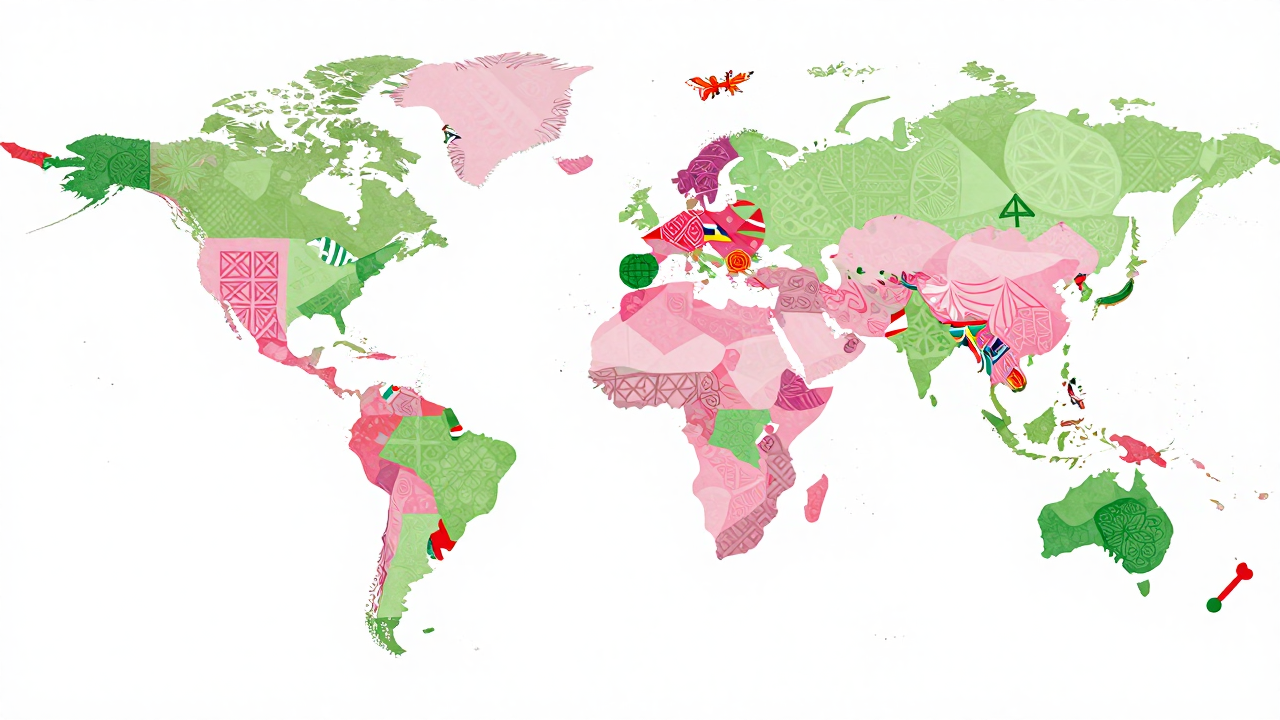
Pan American Week is a vibrant celebration that takes place during a week in April, bringing together the diverse cultures and histories of the Americas. This observance is dedicated to promoting unity, understanding, and cooperation among the nations of North, Central, and South America. It serves as a reminder of the rich tapestry of traditions, languages, and customs that exist within this vast region. From the bustling streets of Rio de Janeiro to the serene landscapes of Canada, Pan American Week encourages people to appreciate the shared values and experiences that bind us together.
During this special week, communities come alive with festivities that showcase music, dance, art, and cuisine from various countries. Educational programs, cultural exchanges, and discussions on regional issues often accompany these celebrations, fostering a spirit of collaboration and dialogue. Pan American Week is not just about recognizing our differences but also about celebrating the unique connections that enrich our lives. As neighbors from different backgrounds come together, they create a beautiful mosaic of friendship and solidarity, reminding us that together, we can build a brighter future for all.
A little history
Pan American Week is observed during a week in April, celebrating the cultural, economic, and social ties among the countries of the Americas. Its origins can be traced back to the early 20th century, particularly following the establishment of the Pan American Union in 1890, which aimed to foster cooperation among the nations of North, Central, and South America. The first formal observance of Pan American Week occurred in 1933, during a time when the Western Hemisphere was focused on strengthening diplomatic relationships amid the backdrop of global economic challenges and rising nationalism.
Over the decades, Pan American Week has evolved to reflect the changing dynamics and relationships among American countries. In its early years, the observance primarily focused on promoting trade and diplomatic relations, but as the world moved through the mid-20th century, the emphasis began to include cultural exchanges and mutual understanding. By the 1960s and 1970s, Pan American Week was increasingly recognized as an opportunity to celebrate the diversity of cultures within the Americas, showcasing everything from art and music to culinary traditions. This shift contributed to a broader public awareness of the rich tapestry of life across the continent.
The cultural significance of Pan American Week is profound, as it serves as a reminder of the shared history and values among the nations in the Americas. It highlights not only the common challenges faced by these countries but also the unique contributions each nation brings to the collective identity of the region. Events often include educational programs, artistic exhibitions, and community activities that encourage participation and engagement, fostering a sense of unity and collaboration. Through these celebrations, Pan American Week promotes cultural pride and solidarity, allowing individuals and communities to recognize their connections to one another.
Today, Pan American Week continues to be an important observance that encourages dialogue and cooperation among the peoples of the Americas. While it retains its focus on economic and diplomatic relations, the week also champions social justice, environmental sustainability, and human rights, reflecting contemporary issues that are pertinent to the region. As nations come together to celebrate their shared heritage, the observance serves as a platform for fostering friendship and understanding, paving the way for a more integrated and harmonious future for all countries in the Americas.
Timeline
- 1933
The first Pan American Week was established by the Pan American Union to promote inter-American cooperation and solidarity.
- 1940
The second Pan American Week was celebrated, emphasizing cultural exchanges and cooperation among the Americas.
- 1948
The Ninth International Conference of American States adopted a resolution to officially celebrate Pan American Day on April 14, as part of Pan American Week.
- 1960
The Pan American Week continued to be celebrated annually, highlighting the importance of unity and collaboration among the countries of the Americas.
- 2000s
The 21st century saw renewed interest in Pan American Week, with various countries participating in events to foster regional ties.
- 2020
Despite the COVID-19 pandemic, many countries adapted celebrations of Pan American Week to virtual formats, emphasizing ongoing cooperation.
Other weeks starting April 11
-

-
 Hate Week
Awareness
-
 National Dog Bite Prevention Week
Awareness
-

-
 National Student Employment Week
Awareness
More like this
 Just for fun
Adopt a Rescued Bird Month
January is a time for new beginnings, and what better way to embrace the spirit of renewal than by celebrating Adopt a Rescued Bird Month? This special observance shines a…
 Just for fun
Apple and Apricot Month
Apple and Apricot Month, celebrated on January 1, is a delightful homage to two of nature's most beloved fruits. As the New Year dawns, this month invites us to embrace the…
 Awareness
Apple Gifting Day
Apple Gifting Day, celebrated on January 1st, invites individuals and families to begin the new year with a sweet and wholesome tradition that symbolizes health, friendship, and…