National Whistleblower Reward Day
United States
About
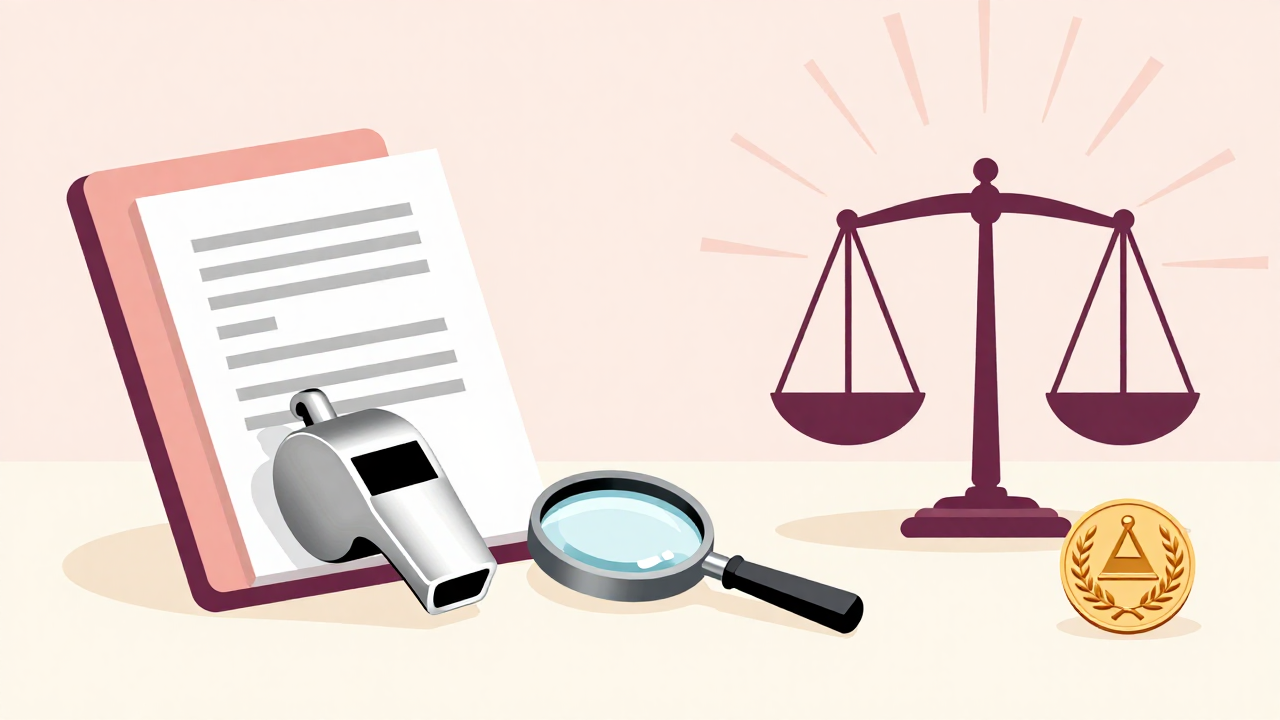
National Whistleblower Reward Day, observed on February 20, serves as a heartfelt recognition of the courageous individuals who step forward to expose wrongdoing, corruption, and unethical practices in various sectors. This observance underscores the vital role that whistleblowers play in fostering transparency and accountability, ensuring that organizations uphold ethical standards. By shining a light on their bravery, we honor those who put their principles above personal risk, often facing significant challenges in the process.
On this day, communities and organizations across the nation come together to raise awareness about the importance of whistleblower protections and the rewards that can accompany such actions. Celebrations can include educational events, discussions, and activities that highlight successful whistleblower stories, illustrating how their actions have led to positive changes in laws and corporate practices. As we observe National Whistleblower Reward Day, let us reflect on the impact of speaking out and the importance of creating an environment where integrity is celebrated and protected.
History
National Whistleblower Reward Day, observed annually on February 20, serves to highlight the critical role that whistleblowers play in promoting transparency and accountability within organizations and governments. The observance is rooted in the recognition of the risks whistleblowers face when they expose unethical or illegal activities. The day underscores the importance of protecting these individuals and incentivizing the reporting of misconduct, thereby fostering a culture of integrity.
The origins of National Whistleblower Reward Day can be traced back to legislative efforts aimed at safeguarding whistleblowers and encouraging reporting of wrongdoing. In the United States, significant milestones include the Whistleblower Protection Act of 1989, which established protections for federal employees who disclose information about illegal or dishonest activities. Over the years, various amendments and new laws have been introduced to extend protections and provide financial rewards for whistleblowers who come forward with credible information. February 20 was chosen as a day to raise awareness and celebrate these legislative achievements while encouraging further reforms.
As the observance has evolved, it has gained traction not only in the United States but also internationally. The increasing recognition of the essential role whistleblowers play in preventing corruption and ensuring accountability has led to a broader cultural significance. National Whistleblower Reward Day encourages public discourse on the ethical implications of whistleblowing and advocates for stronger protections for those who choose to come forward. The day serves as a reminder that whistleblowers often sacrifice their careers and personal safety for the greater good, emphasizing the need for societal support and appreciation.
In contemporary society, National Whistleblower Reward Day fosters an environment where individuals feel empowered to report misconduct without fear of retaliation. It highlights the moral imperative to support those who stand up against wrongdoing and the necessity of robust legal frameworks to protect them. The observance encourages organizations to implement effective whistleblower policies and to recognize the invaluable contributions of those who expose corruption, ensuring a safer and more transparent society for all.