National HIV Testing Day
United States
About
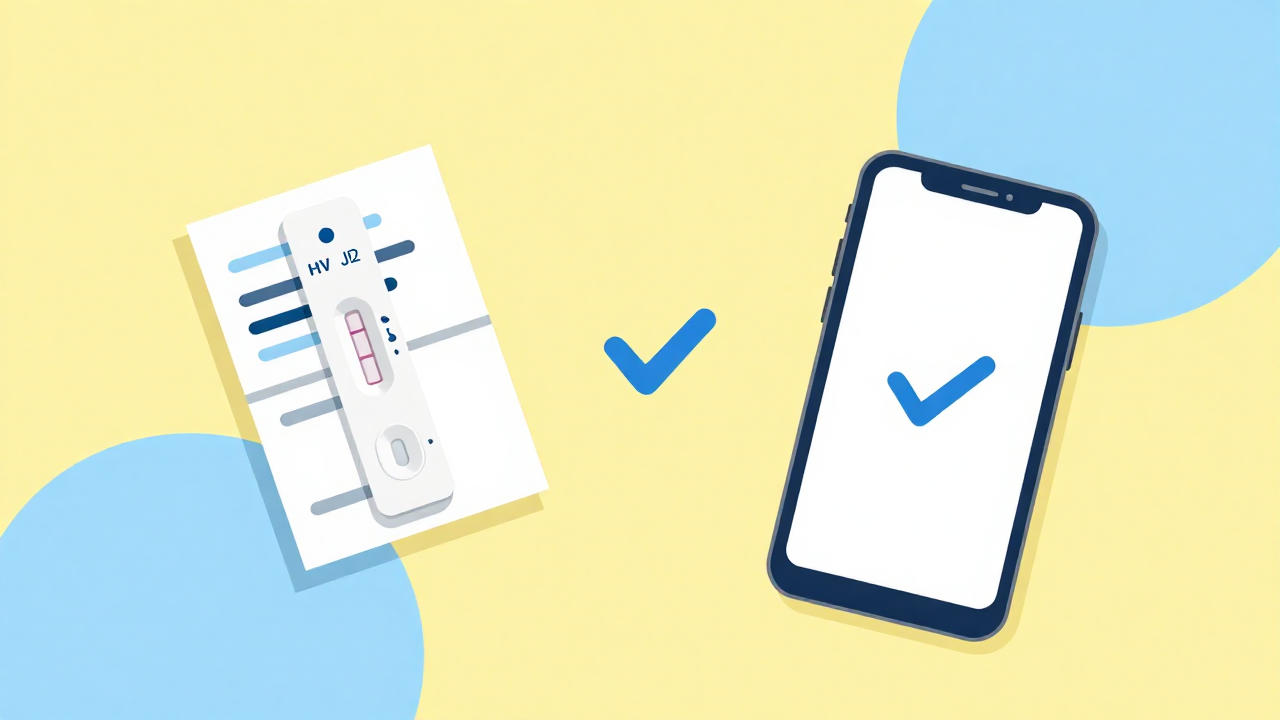
National HIV Testing Day, observed on June 27, encourages people to learn their HIV status and take an active role in their health. The observance highlights the importance of routine testing, open conversations, and access to reliable information and care.
It is also an opportunity to support loved ones, challenge stigma, and remind communities that HIV testing is a simple, empowering step. Whether someone is testing for the first time or making it part of regular healthcare, June 27 inspires everyone to prioritize awareness, prevention, and well-being.
History
National HIV Testing Day was established in 1995 by the National Association of People with AIDS (NAPWA) to encourage people to learn their HIV status and recognize testing as an important part of public health. Observed annually on June 27, the day emerged during a period when HIV testing was often associated with fear, stigma, and uncertainty. Its founders sought to promote testing as a practical step that could connect people with medical care, counseling, and support.
In its early years, the observance focused heavily on expanding public awareness and making testing more accessible. Community health organizations, AIDS service agencies, clinics, and public-health departments used June 27 to organize testing events, distribute educational materials, and address misconceptions about how HIV is transmitted. These efforts were especially significant for communities disproportionately affected by the epidemic, including gay and bisexual men, people of color, and people who faced barriers to health care.
The meaning of National HIV Testing Day has evolved alongside major advances in HIV prevention and treatment. As testing technologies became faster and more convenient, campaigns increasingly emphasized routine screening rather than testing only after a perceived exposure or when symptoms appeared. Effective antiretroviral treatment also changed the consequences of an HIV diagnosis: people who know their status can begin care, protect their health, and, when treatment suppresses the virus to an undetectable level, prevent sexual transmission of HIV. Testing is also linked to prevention options such as pre-exposure prophylaxis (PrEP).
Culturally, National HIV Testing Day has helped shift HIV from a subject often surrounded by silence and stigma toward one that can be discussed as a manageable health concern and a shared community responsibility. Its annual observance on June 27 continues to honor the importance of knowledge, compassion, and early access to care. Rather than treating testing as a one-time event, contemporary observances encourage regular, confidential, and informed testing as part of broader HIV prevention and wellness efforts.