

Awareness Week
International Women’s Week
A week that starts on March 6 every year. Next: in 116 days
What it’s about
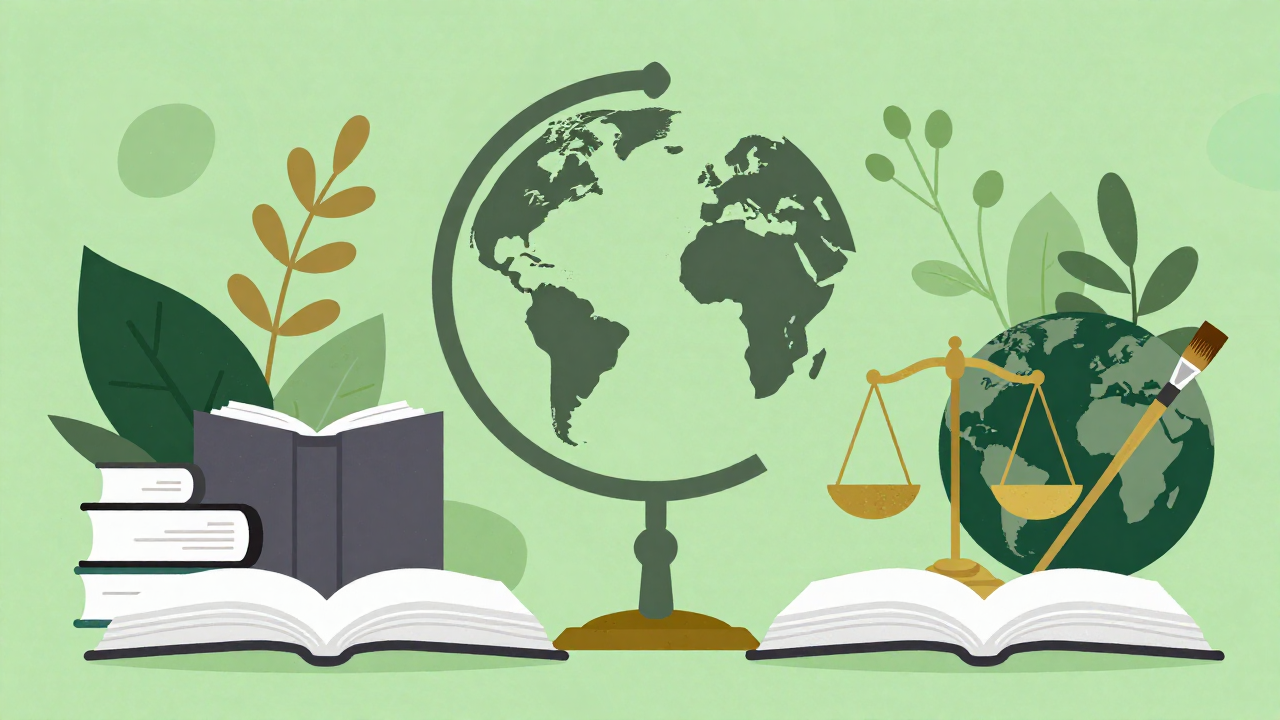
International Women’s Week is a heartfelt celebration that takes place every March, honoring the remarkable contributions of women around the globe. This observance provides a dedicated space to reflect on the achievements of women in various fields, from science and politics to art and community activism. It encourages everyone to recognize the pivotal roles women have played throughout history and continue to play in shaping our world today.
During this special week, communities come together to highlight issues affecting women and girls, promoting gender equality and advocating for women's rights. Events such as workshops, discussions, and artistic performances foster awareness and inspire action, allowing voices to be heard and stories to be shared. International Women’s Week serves not only as a celebration of progress but also as a reminder of the work that still lies ahead in achieving true equality. Embrace this opportunity to uplift and support the women in your life and recognize their invaluable impact on society.
A little history
International Women’s Week is a significant observance that takes place during a week in March, coinciding with International Women's Day on March 8. The origins of this week-long event can be traced back to the early 20th century, amid a growing awareness of women's rights and social issues. The first National Woman's Day was celebrated in the United States on February 28, 1909, organized by the Socialist Movement in response to the labor movement's need to address women's issues. This event was part of a larger wave of activism, where women were increasingly demanding better working conditions, the right to vote, and equality in various aspects of life.
As the concept of a dedicated day for women gained traction, it expanded beyond the United States. In 1910, at the second International Socialist Women's Congress in Copenhagen, Clara Zetkin proposed the idea of an International Women's Day to advocate for women's rights on a global scale. The proposal was met with unanimous approval from over 100 women from 17 countries, which marked the beginning of a worldwide movement. The first official International Women’s Day was celebrated on March 19, 1911, in Austria, Denmark, Germany, and Switzerland, and it laid the groundwork for subsequent observances, eventually leading to the establishment of International Women’s Week.
Over the decades, International Women’s Week has evolved to encompass a broader range of issues affecting women around the globe. The observance has become a platform for raising awareness about gender equality, reproductive rights, and violence against women. It also emphasizes women's contributions to society in various fields, including politics, science, arts, and education. As the feminist movement gained momentum throughout the 20th century, the week became a time for reflection, advocacy, and celebration of women's achievements, reinforcing the importance of gender equity in society.
Culturally, International Women’s Week serves as a catalyst for community engagement and empowerment. Events held during this week often include workshops, lectures, art exhibitions, and rallies that highlight women's rights issues and celebrate female leadership. Schools, businesses, and organizations may also participate by hosting initiatives that promote female empowerment and education. This observance not only honors the struggles and achievements of women throughout history but also inspires future generations to continue advocating for equality and justice in their communities.
Today, International Women’s Week is recognized and celebrated in numerous countries around the world, showcasing a diverse array of activities that reflect local cultures while promoting universal themes of equality and empowerment. It continues to be an essential reminder of the ongoing challenges women face and highlights the need for collective action toward a more equitable society.
Timeline
- 1977
The United Nations officially recognized International Women's Day, encouraging governments to proclaim March 8 as a day for women's rights and international peace.
- 1908
A group of 15,000 women marched through New York City demanding shorter hours, better pay, and voting rights, marking one of the earliest observances of International Women's Day.
- 1980
The first official International Women's Day celebration by the United Nations was held, promoting women's rights and gender equality.
- 2011
The United Nations celebrated the 100th anniversary of International Women's Day with the theme 'Equal Access to Education, Training, and Science and Technology: Pathway to Decent Work for Women.'
- 2012
The UN theme for International Women's Day was 'Empower Rural Women – End Hunger and Poverty', focusing on the critical role women play in agriculture and food security.
- 2020
The United Nations marked International Women's Day with a focus on 'I am Generation Equality: Realizing Women’s Rights,' emphasizing the need for gender equality across all sectors.
More like this
 Just for fun
Adopt a Rescued Bird Month
January is a time for new beginnings, and what better way to embrace the spirit of renewal than by celebrating Adopt a Rescued Bird Month? This special observance shines a…
 Just for fun
Apple and Apricot Month
Apple and Apricot Month, celebrated on January 1, is a delightful homage to two of nature's most beloved fruits. As the New Year dawns, this month invites us to embrace the…
 Awareness
Apple Gifting Day
Apple Gifting Day, celebrated on January 1st, invites individuals and families to begin the new year with a sweet and wholesome tradition that symbolizes health, friendship, and…