International Plastic Bag Free Day
Spain, Italy, France, Germany, United Kingdom, Belgium, Portugal, United States, Canada, Australia, India, Philippines, Kenya, Rwanda, Mexico
About
International Plastic Bag Free Day, observed on July 3, encourages people around the world to rethink their reliance on single-use plastic bags. The observance highlights the environmental harm caused by plastic bag waste, including litter, threats to wildlife, and the long-lasting pollution created when bags enter waterways and natural habitats.
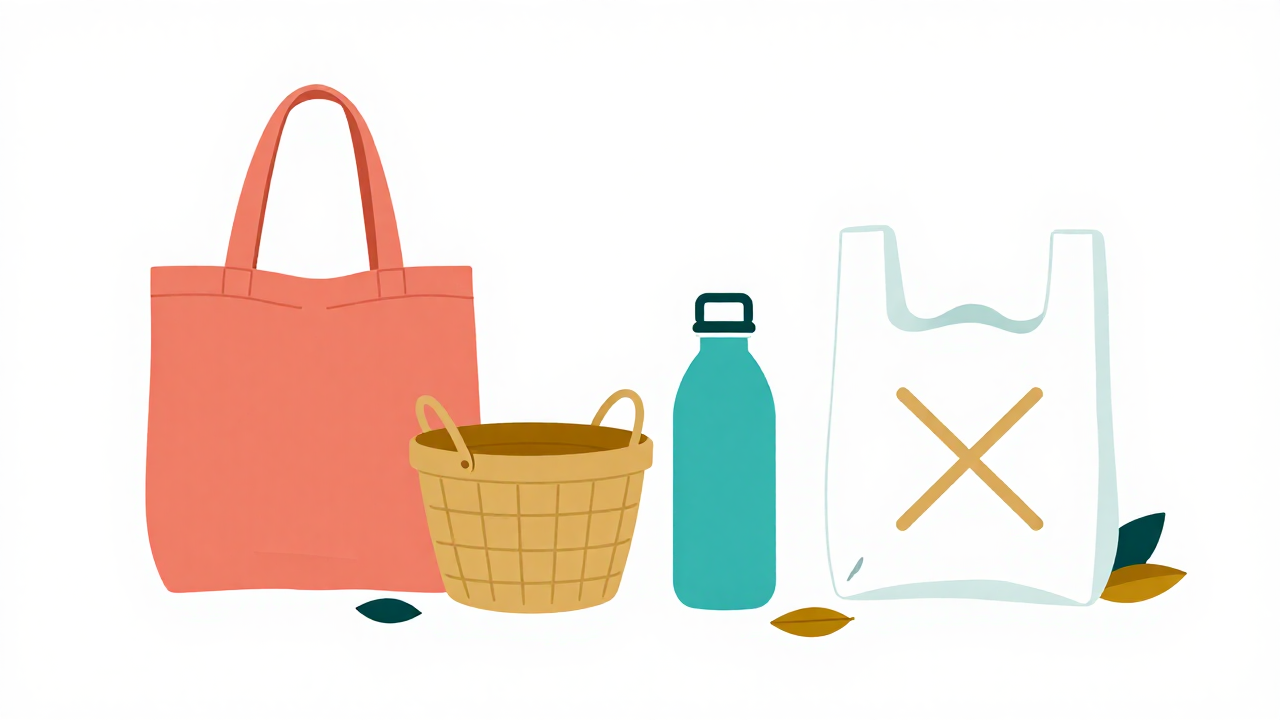
It is also an opportunity to celebrate practical, everyday choices. Reusable cloth or canvas bags, baskets, and other durable alternatives can help reduce waste while inspiring communities, businesses, and individuals to adopt more sustainable habits. Whether you bring your own bag to the store or encourage others to do the same, July 3 offers a meaningful reminder that small changes can contribute to a cleaner, healthier planet.
History
International Plastic Bag Free Day is observed on **July 3** each year. The observance emerged from growing international concern about the environmental effects of disposable plastic bags, particularly their persistence in the natural environment, their contribution to litter, and the harm they can cause to wildlife. It is commonly associated with the European movement to reduce single-use plastics and with the work of environmental campaigns promoting reusable alternatives.
The day gained recognition during the late 2000s, a period when governments, municipalities, and environmental organizations were increasingly questioning the widespread distribution of free or low-cost plastic carrier bags. Campaigners used **July 3** as an opportunity to encourage people to refuse disposable bags and to support longer-lasting options such as cloth, woven, or reusable shopping bags. Its message complemented local plastic-bag taxes, levies, bans, and voluntary reduction programs introduced in different countries.
Over time, International Plastic Bag Free Day developed from a narrowly focused campaign into a broader public-awareness observance. Activities have included educational programs, community cleanups, retail initiatives, public demonstrations, and challenges encouraging households to avoid single-use bags. The campaign’s emphasis has also expanded: rather than treating bag substitution as the only solution, many environmental advocates now connect the day with reducing unnecessary consumption, reusing products, improving waste management, and considering the full environmental cost of disposable packaging.
Culturally, the observance represents a shift in everyday habits and public expectations. The plastic shopping bag was once regarded as a symbol of convenience and modern retail, but it has increasingly become associated with throwaway consumption and pollution. On **July 3**, schools, businesses, civic groups, and individuals use the occasion to promote practical changes in routine—especially carrying reusable bags and making more deliberate choices about packaging. Although one day cannot resolve the wider problems of plastic production and waste, International Plastic Bag Free Day helps keep those issues visible and encourages collective action.