

Cultural Week
EDSA People Power Commemoration Week
A week that starts on February 22 every year. Next: in 104 days
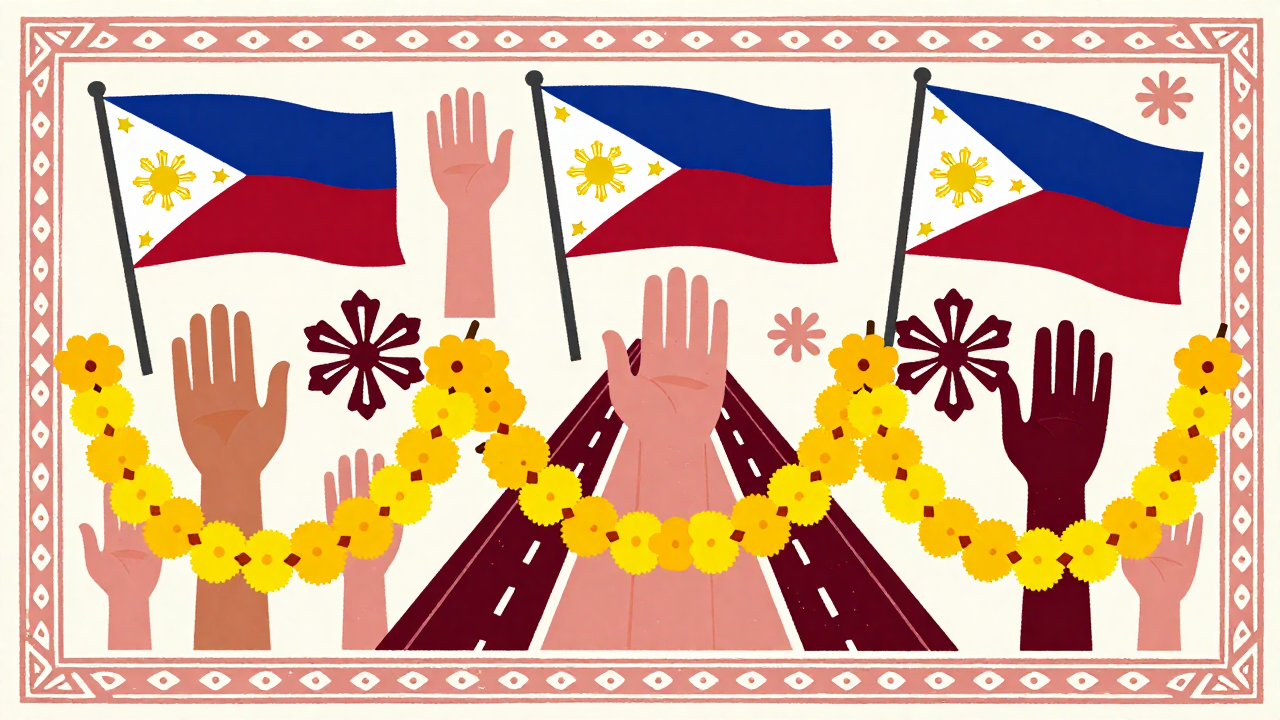
What it’s about
EDSA People Power Commemoration Week is a heartfelt celebration that takes place in February, honoring a pivotal moment in Philippine history. This observance commemorates the peaceful revolution that unfolded along Epifanio de los Santos Avenue (EDSA) in 1986, when millions of Filipinos united to stand against the dictatorship. It serves as a powerful reminder of the strength of collective action and the enduring spirit of democracy, highlighting the importance of civic engagement and the rights of every individual.
Throughout this week, communities across the Philippines partake in various activities that reflect on the ideals of freedom, justice, and unity. Events often include educational programs, cultural performances, and opportunities for reflection on the values that the EDSA Revolution represents. Families and friends come together to share stories and memories, ensuring that the lessons of the past continue to resonate with future generations. EDSA People Power Commemoration Week is not only a time to remember the sacrifices made for democracy but also a chance to celebrate the resilience and hope that define the Filipino spirit.
A little history
EDSA People Power Commemoration Week is a significant observance in the Philippines, celebrated during a week in February to honor the historic peaceful revolution that took place in 1986. The revolution, often referred to as the People Power Revolution or EDSA Revolution, was a pivotal moment in the country’s history, leading to the ousting of President Ferdinand Marcos, who had ruled the nation for over two decades under a regime marked by martial law and widespread human rights abuses. This week serves as a reminder of the collective power of the Filipino people and their commitment to democracy and social justice.
The origins of this observance trace back to the events that unfolded from February 22 to 25, 1986, when millions of Filipinos gathered along Epifanio de los Santos Avenue (EDSA) in Metro Manila to protest against the Marcos regime. The movement was sparked by widespread dissatisfaction with corruption, economic decline, and the assassination of opposition leader Benigno Aquino Jr. in 1983. As citizens from various sectors of society united, the peaceful demonstrations showcased the power of non-violent resistance, which ultimately led to the departure of Marcos and the restoration of democratic governance under Corazon Aquino.
Over the years, EDSA People Power Commemoration Week has evolved into a period of reflection, education, and celebration. It serves not only to remember the sacrifices made during the revolution but also to raise awareness about the ongoing challenges to democracy and human rights in the Philippines. Various activities are organized during this week, including educational seminars, cultural performances, and community gatherings, fostering a sense of unity and purpose among Filipinos. The observance has also been recognized as a time to engage in discussions about the importance of civic participation and activism, encouraging citizens to remain vigilant in safeguarding democratic values.
Culturally, EDSA People Power Commemoration Week holds a special place in the Filipino consciousness. It symbolizes resilience, hope, and the power of collective action in the face of adversity. The festivities often feature artistic expressions such as music, dance, and visual arts that reflect the spirit of the revolution. This observance not only commemorates a historical event but also inspires future generations to continue advocating for justice, equality, and peace. The legacy of the People Power Revolution remains a potent reminder of the impact that ordinary citizens can have when they come together for a common cause, making EDSA People Power Commemoration Week an essential part of the Philippines' national identity.
Timeline
- 1986
The EDSA People Power Revolution took place from February 22 to 25, leading to the ousting of President Ferdinand Marcos and the restoration of democracy in the Philippines.
- 1987
The Philippine Constitution was ratified on February 2, 1987, restoring democratic governance and human rights protections following the dictatorship.
- 2001
The second EDSA Revolution, also known as EDSA II, occurred from January 16 to 20, resulting in the ousting of President Joseph Estrada amid corruption allegations.
- 2011
The first official observance of EDSA People Power Commemoration Week was declared by the Philippine government, recognizing the significance of the historical event.
- 2021
The 35th anniversary of the EDSA People Power Revolution was marked with various commemorative events and reflections on the importance of civic engagement and democracy.
Other weeks starting February 22
-
 National Eating Disorder Awareness Week
Awareness
-
 National Invasive Species Awareness Week
Just for fun
-
 National Pasty Week
Just for fun
-
 NEDA Week
Awareness
More like this
 Just for fun
Adopt a Rescued Bird Month
January is a time for new beginnings, and what better way to embrace the spirit of renewal than by celebrating Adopt a Rescued Bird Month? This special observance shines a…
 Just for fun
Apple and Apricot Month
Apple and Apricot Month, celebrated on January 1, is a delightful homage to two of nature's most beloved fruits. As the New Year dawns, this month invites us to embrace the…
 Awareness
Apple Gifting Day
Apple Gifting Day, celebrated on January 1st, invites individuals and families to begin the new year with a sweet and wholesome tradition that symbolizes health, friendship, and…