Clean Air Month
United States, Canada, Australia, India, South Africa
About
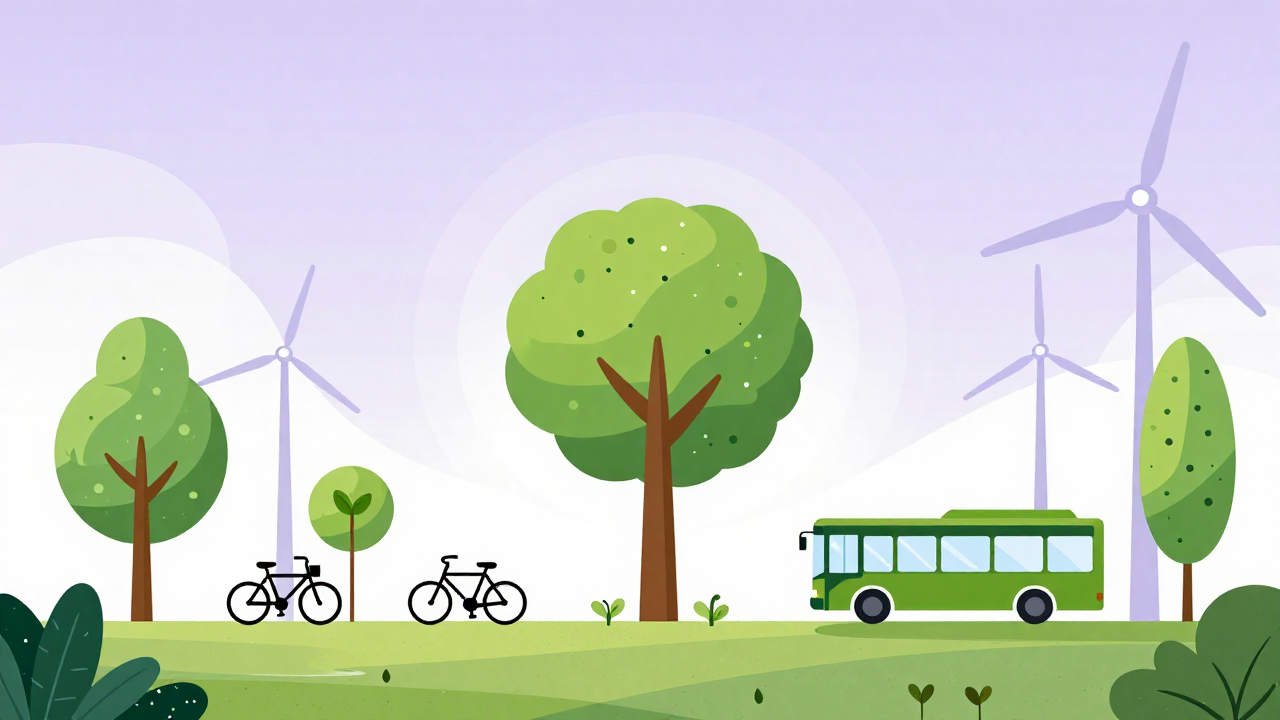
May is a time for renewal and fresh beginnings, making it the perfect month to celebrate Clean Air Month. This observance serves as a reminder of the importance of clean air for our health, environment, and overall well-being. During this month, communities come together to raise awareness about air quality issues and promote actions we can take to help reduce pollution. Whether it's through planting trees, using public transportation, or advocating for cleaner energy sources, everyone can contribute to creating a healthier atmosphere for ourselves and future generations.
As we navigate through May, it's an opportunity to reflect on the vital role that clean air plays in our lives. With a focus on education and advocacy, various organizations and individuals engage in activities ranging from local clean-up events to educational workshops. These initiatives help to inspire positive change and encourage individuals to take ownership of their surroundings. So, join in the celebration of Clean Air Month and embrace the chance to breathe easier while making a meaningful impact on the planet. Together, we can foster a cleaner, greener world for all to enjoy!
History
Clean Air Month is observed throughout May and serves as an important time to raise awareness about air quality and the crucial role it plays in environmental health and public well-being. The origins of Clean Air Month can be traced back to the Clean Air Act, which was first enacted in the United States in 1970. This legislation marked a significant turning point in environmental policy, aiming to regulate air emissions and establish air quality standards to protect human health and the environment. The establishment of this observance aligned with the growing recognition of air pollution as a pressing issue, prompting communities and organizations to focus on advocacy and education regarding air quality.
Over the years, Clean Air Month has evolved into a platform for various initiatives aimed at promoting cleaner air practices. Non-profit organizations, government agencies, and educational institutions often collaborate during this period to conduct awareness campaigns, workshops, and community events. These activities emphasize the importance of reducing emissions from vehicles, industrial sources, and household products, as well as encouraging sustainable practices like using public transport, cycling, or adopting energy-efficient technologies. The observance has also expanded to highlight the interconnectedness of air quality with broader environmental issues, such as climate change and public health.
Culturally, Clean Air Month resonates with a growing global consciousness about environmental stewardship. As awareness of the impacts of pollution on health and climate continues to rise, communities engage in discussions about sustainable living practices. The observance provides an opportunity for individuals and families to reflect on their own contributions to air quality and to take actionable steps toward improvement. Schools often incorporate lessons about air pollution and its effects, fostering a sense of responsibility among younger generations. This cultural significance underscores the importance of clean air as not just a personal concern but a shared community goal.
As Clean Air Month continues to be recognized, its importance is reinforced by scientific research and public discourse surrounding environmental issues. The observance serves as a reminder of the ongoing challenges related to air quality, including urban pollution, industrial emissions, and the effects of climate change. By fostering awareness and encouraging proactive measures, Clean Air Month plays a vital role in promoting a healthier environment for current and future generations.