

Awareness Week
Bee Active Bee Healthy Bee Happy Week
A week that starts on April 5 every year. Next: in 146 days
What it’s about
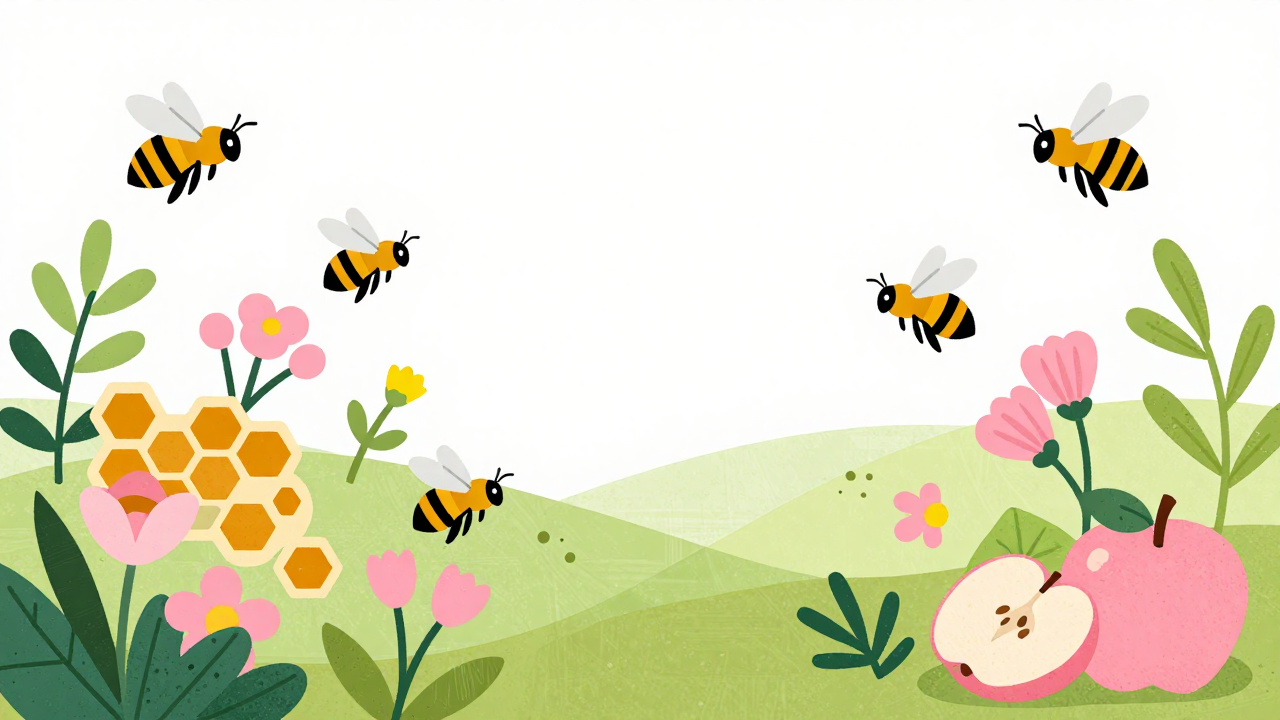
Bee Active Bee Healthy Bee Happy Week is a delightful celebration that takes place during a week in April, inviting individuals and communities to embrace the importance of bees and their vital role in our ecosystem. This observance encourages everyone to recognize the interconnectedness of health, happiness, and the environment, all while highlighting the incredible contributions that bees make to our food supply and biodiversity. It’s a perfect opportunity to engage with nature, learn about the fascinating world of bees, and promote sustainable practices.
During this week, families, schools, and organizations come together to participate in various activities that inspire a love for the outdoors and an appreciation for pollinators. From planting bee-friendly gardens to organizing educational workshops, the events aim to foster awareness about the challenges bees face and the simple actions we can take to protect them. Whether you’re buzzing around your local park or enjoying a day of family fun in your backyard, Bee Active Bee Healthy Bee Happy Week encourages us all to reflect on how we can contribute to a healthier planet—one bee at a time!
A little history
"Bee Active Bee Healthy Bee Happy Week" is a week-long observance that takes place every April, aimed at promoting the importance of bees in our ecosystem and encouraging individuals to adopt healthier lifestyles. The origins of this celebration stem from a growing recognition of the critical role that bees play in pollinating many of the crops and plants that are essential to human food supplies. As environmental concerns regarding bee populations have risen—largely due to habitat loss, pesticide use, and climate change—this observance emerged as a way to raise awareness about these issues while simultaneously promoting personal well-being.
The concept of Bee Active Bee Healthy Bee Happy Week has evolved over the years, gaining traction through various environmental organizations and health advocates who sought to merge the themes of environmental conservation and personal health. Initially focused on educating the public about the ecological contributions of bees, the observance began incorporating activities that encourage physical fitness, wellness, and a connection to nature. As public interest in sustainability and health grew, communities began organizing events such as local nature walks, gardening workshops, and health fairs that highlight the interconnectedness of a healthy lifestyle and a thriving environment.
Culturally, this observance underscores the significance of bees not only as pollinators but also as symbols of community and productivity. Bees are often seen as industrious creatures that work collaboratively to sustain their hives, a metaphor that resonates with the idea of collective effort in promoting a healthy planet. During this week, schools, community centers, and various organizations often host educational programs and workshops to teach participants about the importance of bees, the challenges they face, and how individuals can contribute to their protection. This cultural significance serves to unite people around a common cause, fostering a sense of responsibility toward both personal health and environmental stewardship.
In conclusion, "Bee Active Bee Healthy Bee Happy Week" serves as an important reminder of the essential role bees play in our ecosystems while also encouraging individuals to engage in activities that contribute to their own health and happiness. By combining environmental awareness with personal wellness, this observance not only highlights the fragility of bee populations but also inspires proactive measures for a healthier lifestyle and a more sustainable world. As the week continues to grow in popularity, it reflects a broader cultural shift toward valuing the interconnectedness of our well-being and the health of our planet.
Timeline
- 1860
The first documented use of bees in agriculture, highlighting their role in pollination and food production.
- 1930
The establishment of the first National Beekeeping Month in the United States, promoting awareness of the importance of bees.
- 1973
The introduction of the Endangered Species Act in the U.S. which later included several species of bees as threatened.
- 1994
The first official Bee Day was declared, which later evolved into Bee Active Bee Healthy Bee Happy Week.
- 2007
The alarming decline of bee populations due to Colony Collapse Disorder was reported, raising global awareness about bee health.
- 2015
The United Nations declared June 20 as World Bee Day to promote the importance of bees and other pollinators.
- 2020
The launch of various initiatives aimed at increasing bee habitats and promoting sustainable agricultural practices.
Other weeks starting April 5
-
 America Saves Week
Awareness
-
 Blue Ribbon Week
Awareness
-
 Community Garden Week
Awareness
-
 National Bake Week
Just for fun
-
 National Cancer Registrars Week
Awareness
-
 National Public Health Week
Awareness
More like this
 Just for fun
Adopt a Rescued Bird Month
January is a time for new beginnings, and what better way to embrace the spirit of renewal than by celebrating Adopt a Rescued Bird Month? This special observance shines a…
 Just for fun
Apple and Apricot Month
Apple and Apricot Month, celebrated on January 1, is a delightful homage to two of nature's most beloved fruits. As the New Year dawns, this month invites us to embrace the…
 Awareness
Apple Gifting Day
Apple Gifting Day, celebrated on January 1st, invites individuals and families to begin the new year with a sweet and wholesome tradition that symbolizes health, friendship, and…