World Day Against Cyber Censorship
France, Germany, United States, Canada, Australia, United Kingdom
About
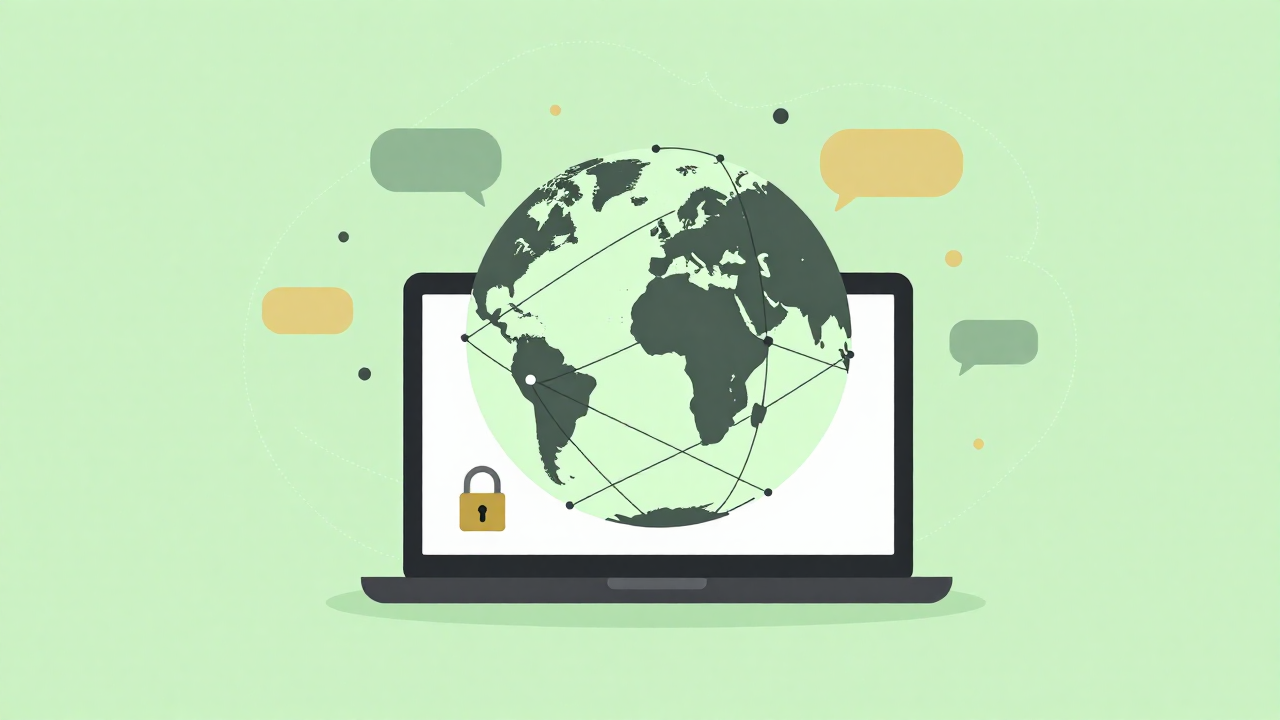
World Day Against Cyber Censorship, observed annually on March 12, is a vital occasion that champions the right to free expression in the digital realm. Established to raise awareness about the threats posed by censorship on the internet, this day invites individuals and organizations to reflect on the importance of a free and open online space where diverse voices can be heard. As technology continues to shape our lives, the fight against cyber censorship becomes increasingly crucial, ensuring that everyone has access to information and the ability to express their thoughts without fear of repression.
On this day, advocates for digital freedom come together to highlight the various forms of censorship that exist worldwide—whether through government restrictions, corporate policies, or social pressures. By sharing stories and engaging in discussions, participants foster a greater understanding of the challenges faced by those who seek to communicate and connect in the online world. World Day Against Cyber Censorship not only serves as a reminder of the struggles against digital oppression but also encourages individuals to take action, whether by supporting organizations that defend internet freedom or by simply sharing their own experiences in the vast digital landscape. Join the movement on March 12 to celebrate the power of free expression and the essential role it plays in our global society.
History
World Day Against Cyber Censorship is observed annually on March 12, a day dedicated to raising awareness about the threats to freedom of expression and the right to access information online. This observance was initiated by the international non-governmental organization Reporters Without Borders (RWB) in 2008, as a response to the increasing number of governments and organizations imposing restrictions on the internet. The day was created to highlight the importance of a free and open internet as a platform for democracy, human rights, and free speech.
The origins of World Day Against Cyber Censorship can be traced back to the growing concerns over digital censorship practices. In the early 21st century, many authoritarian regimes began employing sophisticated methods to monitor, control, and restrict online content, often targeting journalists, activists, and ordinary citizens who dared to express dissenting opinions. The first observance in 2008 aimed to shed light on these practices and encourage a global dialogue about the dangers posed by cyber censorship. Each year, the day focuses on specific countries known for their restrictive internet policies, drawing attention to the plight of those who suffer under such regimes.
Over the years, the significance of World Day Against Cyber Censorship has evolved as the internet has become integral to everyday life and a vital tool for political activism and social change. The observance has grown to include various activities, such as social media campaigns, public demonstrations, and collaborations with other organizations advocating for digital rights. This evolution reflects a broader recognition of the internet as a crucial space for free expression and an essential component of modern democracy.
Culturally, this day serves as a reminder of the ongoing struggle for freedom of expression around the world. It resonates with diverse audiences, from digital rights activists to everyday internet users, emphasizing that the fight against censorship is not just a localized issue but a global concern affecting everyone. By commemorating World Day Against Cyber Censorship on March 12, participants highlight the resilience of those who continue to push for a more open and inclusive digital landscape, while also advocating for legislative changes to protect fundamental freedoms online.