Operation Iraqi Freedom Day
United States
About
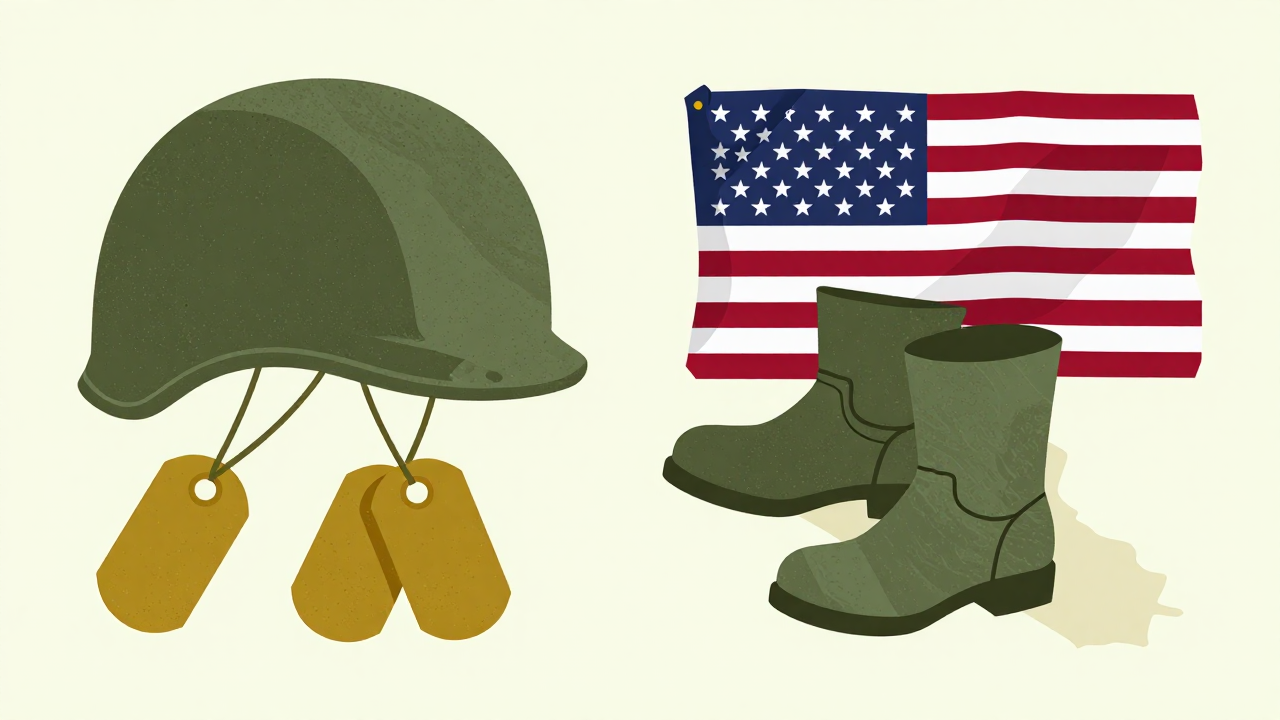
Operation Iraqi Freedom Day, observed on March 19, serves as a poignant reminder of the sacrifices made by military personnel and their families during the Iraq War. This day marks the anniversary of the beginning of military operations in Iraq in 2003, a pivotal moment in modern history that shaped the lives of countless individuals and communities. It invites us to reflect on the courage and dedication of those who served, as well as the enduring impacts of their service both at home and abroad.
As we commemorate Operation Iraqi Freedom Day, we honor the bravery of the men and women who answered the call to serve during a time of uncertainty and conflict. It's a day to recognize their contributions and to engage in meaningful conversations about the complexities of military service and the importance of supporting veterans and their families. Whether through personal stories, community events, or educational discussions, this observance encourages us to come together in appreciation and solidarity, ensuring that the legacy of those who served is never forgotten.
History
Operation Iraqi Freedom Day is observed on March 19 each year, commemorating the beginning of the military campaign in Iraq that was launched on this date in 2003. The operation was initiated under the administration of President George W. Bush, who justified the invasion by citing the need to eliminate weapons of mass destruction (WMDs) purportedly held by the Iraqi government under Saddam Hussein, as well as to combat terrorism and promote democracy in the region. The day marks the start of a conflict that would have far-reaching implications for both Iraq and the global geopolitical landscape.
The observance of Operation Iraqi Freedom Day has evolved since its inception, reflecting the changing perspectives on the war and its aftermath. In the early years following the invasion, the day was often marked by military parades, speeches, and events that celebrated the efforts of U.S. troops and their allies. However, as the conflict dragged on, and the complexities of the situation in Iraq became more apparent, the observance began to encompass a broader range of reflections. It now serves as a time for both recognition of service members’ sacrifices and a critical examination of the consequences of the war, including the human and financial costs.
Culturally, Operation Iraqi Freedom Day holds significant meaning for various groups in the United States and beyond. For veterans and active-duty military personnel, it is often a day of remembrance and honor, where they reflect on their experiences and the challenges faced during their service. Conversely, for many civilians and advocacy groups, it is a day of protest and reflection on the war's long-term effects, including the impact on Iraqi civilians, regional stability, and U.S. foreign policy. This duality in observance underscores the complex legacy of the Iraq War, which continues to influence discussions about military intervention and international relations today.
As March 19 approaches each year, communities host various events to mark the day, ranging from memorial services and educational seminars to public discussions about the war’s lasting effects. These observances aim to foster dialogue and remembrance, ensuring that the lessons learned from Operation Iraqi Freedom are not forgotten in the annals of history. By commemorating this day, individuals and organizations contribute to a broader understanding of the conflict and its significance in shaping contemporary global dynamics.