National Grain Free Day
United States
About
National Grain Free Day, observed annually on February 21, invites everyone to explore the benefits and joys of a grain-free lifestyle. This day encourages individuals to embrace alternatives to traditional grains, highlighting the variety of delicious and nutritious options available. Whether you’re looking to reduce gluten intake, manage dietary sensitivities, or simply try something new, this observance provides a fantastic opportunity to discover creative recipes and meal ideas that can enhance your wellbeing.
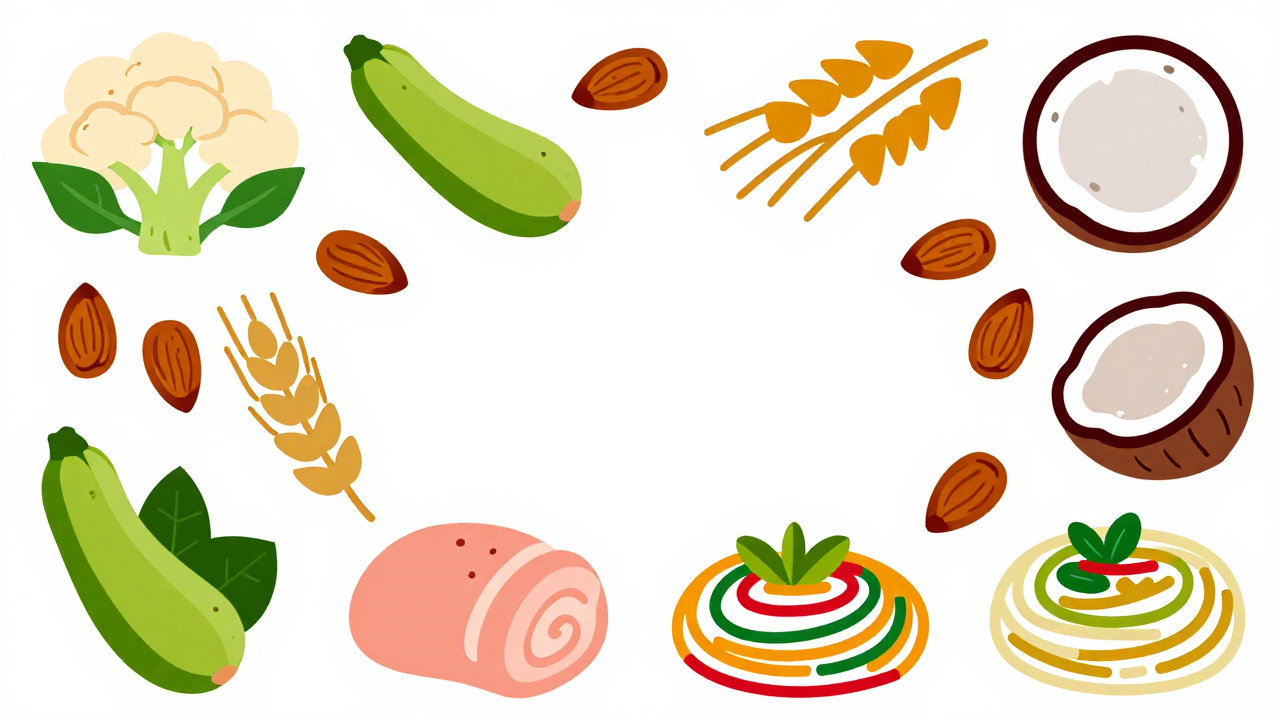
As you celebrate National Grain Free Day, take a moment to appreciate the many foods that can replace grains, from cauliflower rice and zucchini noodles to almond flour and chickpea pasta. This day is not just about dietary restrictions; it’s an invitation to expand your culinary horizons and enjoy the vibrant flavors of whole foods. Gather friends and family to share your favorite grain-free dishes, or challenge yourself to whip up a brand-new recipe. By participating in this day, you’ll not only nourish your body but also foster a sense of community around healthy eating and mindful choices.
History
National Grain Free Day is observed annually on February 21, serving as a reminder for individuals to consider the impact of grain consumption on their health and wellness. The observance has its roots in the growing awareness and popularity of grain-free diets, particularly within the context of the health and wellness movements that gained momentum in the early 21st century. This aligns with broader dietary trends that emphasize reduced carbohydrate intake, gluten avoidance, and the exploration of alternative food sources.
The origins of National Grain Free Day can be traced back to an increasing number of individuals seeking dietary solutions for various health issues, including gluten sensitivity, celiac disease, and general digestive discomfort. As more people turned to grain-free diets—such as the Paleo and ketogenic diets—February 21 became a focal point for advocates to promote the benefits of eliminating grains from one's diet. This observance encourages people to explore creative and nutritious alternatives to traditional grain-based foods, thereby supporting a lifestyle that values health-conscious eating habits.
Over time, National Grain Free Day has evolved from a niche observance into a more mainstream recognition, reflecting the broader cultural shift towards wellness and alternative diets. The day often features various activities, including recipe sharing, cooking demonstrations, and discussions about the nutritional benefits of grain-free eating. Social media has played a significant role in popularizing this observance, as individuals and health enthusiasts share their experiences and insights, contributing to a growing community focused on health and dietary choices.
Culturally, National Grain Free Day resonates with a segment of the population that is increasingly concerned about food quality, sustainability, and personal health. The observance not only highlights dietary choices but also encourages individuals to think critically about the food they consume and its impact on their overall well-being. As more research emerges about the effects of grains on health, National Grain Free Day serves as a platform for education and awareness, promoting a dialogue around nutrition that is both timely and relevant.
In summary, celebrated on February 21, National Grain Free Day reflects an evolving understanding of dietary choices and their implications for health. It encourages individuals to explore grain-free options, fostering a community committed to wellness and informed eating practices. As it continues to gain traction, the observance underscores the importance of personal health in the context of modern dietary trends.