International Day for Biological Diversity
Brazil, India, Australia, South Africa, United States, Canada, United Kingdom, Germany, Japan, Mexico
About
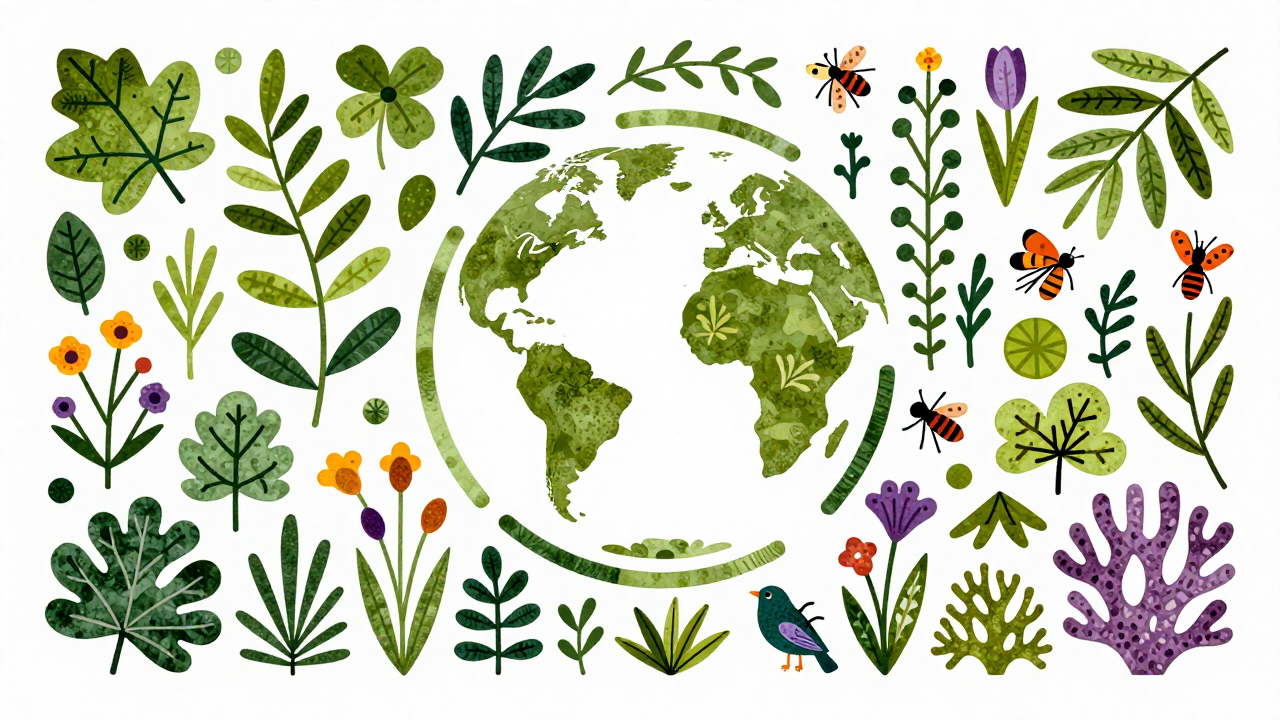
International Day for Biological Diversity, observed on May 22, serves as a vital reminder of the importance of our planet's rich tapestry of life. Established by the United Nations in 1993, this day encourages us to reflect on the myriad species that inhabit our world and the ecosystems that support them. With biodiversity being crucial for sustaining the health of our planet, recognizing this day helps raise awareness about the urgent need to protect our natural heritage and preserve it for future generations.
As we celebrate this day, communities around the globe engage in activities that promote conservation efforts and highlight the benefits of biodiversity, from clean air and water to food security. Various events, workshops, and educational campaigns are held, encouraging individuals to connect with nature and understand their role in protecting it. So, on May 22, let’s come together to appreciate the beauty and variety of life on Earth, and commit ourselves to ensuring a sustainable future for all living beings.
History
The International Day for Biological Diversity, observed on May 22 each year, was established to raise awareness about the vital importance of biodiversity and the need for its conservation. The origins of this observance can be traced back to the Earth Summit held in Rio de Janeiro in 1992, where the Convention on Biological Diversity (CBD) was opened for signature. This landmark treaty aimed to address the pressing issues related to the conservation of biological diversity, the sustainable use of its components, and the fair and equitable sharing of benefits arising from genetic resources. Recognizing the significance of biodiversity in sustaining ecosystems, human health, and economies, the United Nations General Assembly later proclaimed May 22 as the International Day for Biological Diversity in 2000.
Over the years, the observance has evolved to encompass various themes that reflect current global challenges related to biodiversity. Each year, the United Nations selects a specific theme, which serves to focus attention on particular aspects of biodiversity that require urgent action or awareness. For example, themes have included the importance of pollinators, the impact of climate change on ecosystems, and the role of biodiversity in achieving sustainable development goals. This evolution not only highlights the dynamic nature of biodiversity challenges but also encourages a multidisciplinary approach involving governments, organizations, and communities around the world.
The cultural significance of the International Day for Biological Diversity extends beyond scientific communities; it is a rallying point for environmental activism and education. It engages diverse stakeholders, including indigenous peoples, local communities, and youth, in discussions and activities aimed at promoting biodiversity conservation. Events such as workshops, educational programs, and community clean-ups are organized globally to foster a deeper understanding of local ecosystems and the importance of protecting them. By emphasizing the interconnectedness of all life forms and the ecosystems they inhabit, the observance plays a crucial role in fostering a collective responsibility toward biodiversity.
In summary, the International Day for Biological Diversity, celebrated on May 22, serves as an essential reminder of the intrinsic value of biodiversity and the urgent need for its protection. Its roots in the 1992 Earth Summit and subsequent evolution through annual themes reflect the growing recognition of biodiversity's role in sustainable development and human well-being. As societies continue to grapple with environmental challenges, the observance remains a vital platform for advocacy, education, and action, inspiring individuals and communities to engage in biodiversity conservation efforts worldwide.