

Awareness Week
Food Waste Action Week
A week that starts on March 1 every year. Next: in 111 days
What it’s about
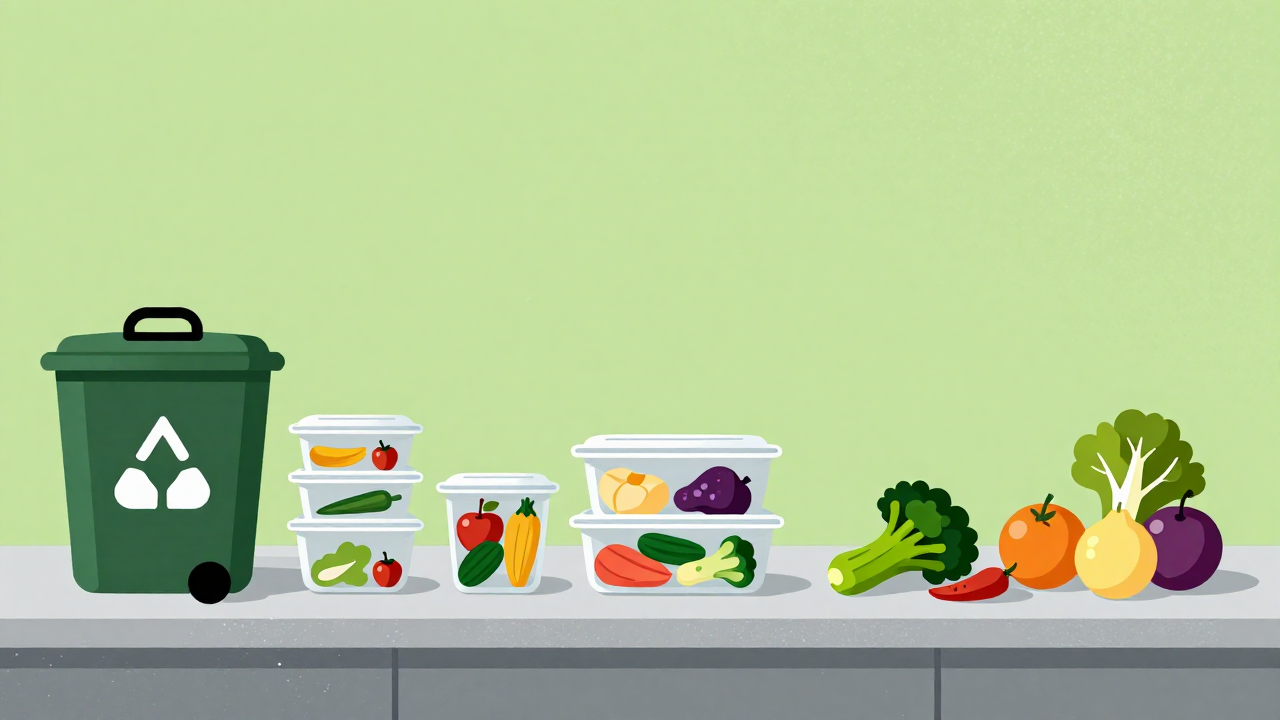
Food Waste Action Week is a heartfelt observance dedicated to raising awareness about the importance of reducing food waste. Celebrated during a week in March, this initiative invites individuals, families, and communities to come together and reflect on the food we consume and the impact of waste on our planet. With the global challenge of food insecurity and environmental sustainability becoming more pressing, this week serves as a timely reminder of the difference we can make by being mindful of our food choices.
Throughout Food Waste Action Week, participants are encouraged to engage in various activities that promote sustainable practices, such as meal planning, proper food storage, and creative ways to use leftovers. Schools, businesses, and local organizations often host events, workshops, and discussions to inspire action and share innovative solutions for reducing waste. By embracing this observance, we not only contribute to a healthier planet but also foster a sense of community around the shared goal of creating a more sustainable future. Join in the celebration and take steps to make a positive impact—every little action counts!
A little history
Food Waste Action Week is an observance dedicated to raising awareness about the significant issue of food waste and encouraging sustainable practices to reduce it. This initiative originated in the United Kingdom, where it was launched in 2020 by the organization WRAP (Waste and Resources Action Programme). The observance was designed to highlight the staggering statistics related to food waste, which indicate that a significant portion of the food produced globally ends up being discarded. The campaign aims to inform individuals, families, and organizations about the environmental, economic, and social impacts of wasting food.
Since its inception, Food Waste Action Week has evolved to include a wide range of activities, resources, and partnerships. The program not only focuses on raising awareness but also provides practical solutions for reducing food waste at home, in schools, and within communities. Through workshops, social media campaigns, and educational materials, the observance has gained traction and has encouraged participants to adopt more sustainable practices, such as meal planning, proper food storage, and creative cooking with leftovers.
The cultural significance of Food Waste Action Week lies in its ability to prompt collective action towards a pressing global issue. Many cultures celebrate food as a vital part of their heritage, and the observance encourages a deeper appreciation for the resources that go into producing food. By promoting discussions around food waste, this week serves as a reminder of the importance of responsible consumption and the need to honor the labor and resources that bring food to our tables. Furthermore, it aligns with broader sustainability goals, including reducing greenhouse gas emissions and conserving natural resources.
As Food Waste Action Week continues to gain recognition, it fosters a sense of community and shared responsibility. Schools, businesses, and local governments are increasingly participating in initiatives that coincide with the observance, thereby amplifying its impact. The observance not only serves as a call to action but also sparks conversations that can lead to long-term behavioral changes in how individuals and societies approach food. Through its ongoing evolution, Food Waste Action Week remains a pivotal effort in the global movement toward sustainability and waste reduction.
Timeline
- 1975
The first United Nations Food and Agriculture Organization (FAO) conference on food loss and waste was held, highlighting the need for global attention on food waste.
- 2007
The FAO published the report 'The State of Food Insecurity in the World,' which included discussions on food waste and its impact on food security.
- 2011
The FAO launched the 'Think.Eat.Save' campaign to raise awareness about food waste and encourage sustainable practices in food consumption.
- 2013
The United Nations adopted a resolution to reduce food waste worldwide, setting a target to halve per capita global food waste at the retail and consumer levels by 2030.
- 2018
The first Food Waste Action Week was initiated in the UK, aiming to educate the public on the importance of reducing food waste.
- 2020
The Food Waste Action Week expanded globally, with various countries participating in initiatives to combat food waste and promote sustainable practices.
- 2023
Food Waste Action Week continues to grow, with increasing participation from governments, NGOs, and the public, emphasizing the importance of reducing food waste for environmental sustainability.
Other weeks starting March 1
-
 British Pie Week
Just for fun
-
 Hearing Awareness Week
Awareness
-

-
 National Butchers Week
Just for fun
-
 National Cheerleading Week
Just for fun
-
 National Ghostwriters Week
Just for fun
More like this
 Just for fun
Adopt a Rescued Bird Month
January is a time for new beginnings, and what better way to embrace the spirit of renewal than by celebrating Adopt a Rescued Bird Month? This special observance shines a…
 Awareness
Apple Gifting Day
Apple Gifting Day, celebrated on January 1st, invites individuals and families to begin the new year with a sweet and wholesome tradition that symbolizes health, friendship, and…
 Awareness
Be Kind To Food Servers Month
Be Kind to Food Servers Month, celebrated on January 1, is a heartwarming reminder to appreciate the hard work and dedication of those who serve us our meals. As we usher in the…