FND Awareness Day
United States, Canada, Australia, United Kingdom
About
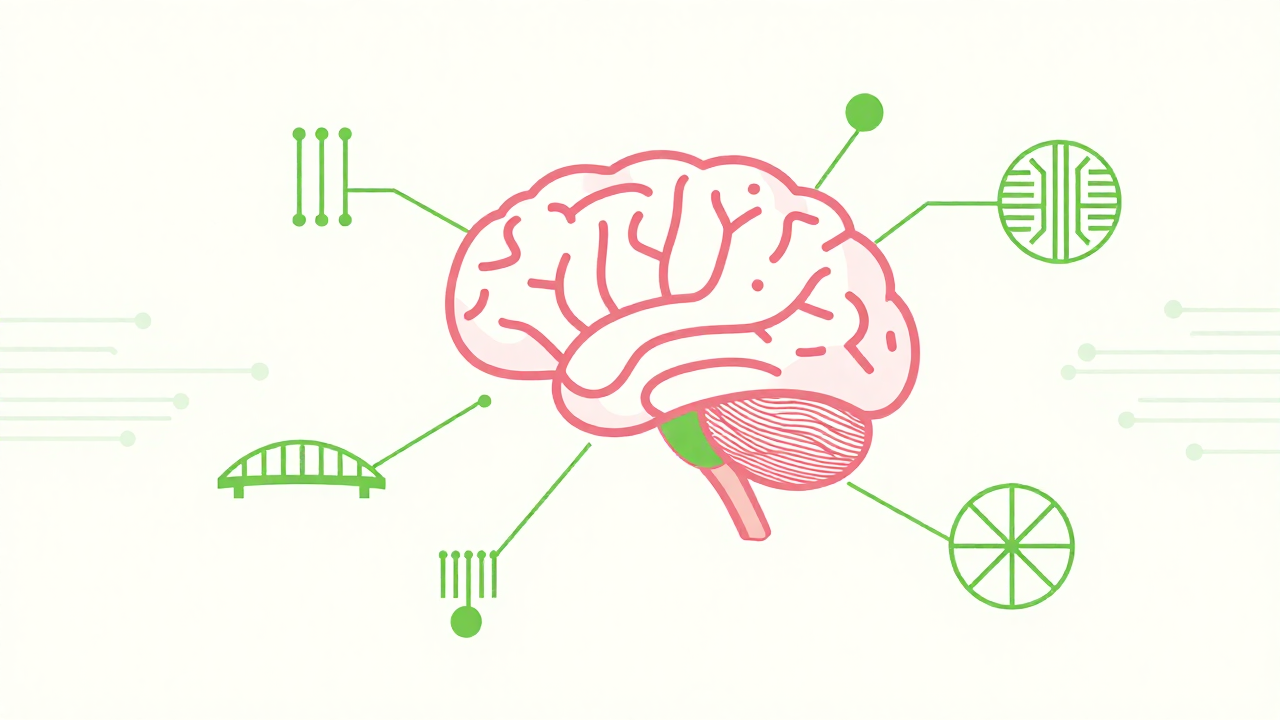
FND Awareness Day, observed on April 13, is an important opportunity to shine a light on Functional Neurological Disorder (FND), a condition that affects how the brain communicates with the rest of the body. This day serves as a platform to raise awareness about the challenges faced by those living with FND, encouraging understanding and support from the wider community. By promoting education on this often-misunderstood disorder, advocates hope to foster empathy and compassion, making it easier for individuals to seek help and find the resources they need.
On this special day, individuals, families, and organizations come together to share personal stories, hold events, and engage in discussions that highlight the impact of FND. By amplifying voices and experiences, FND Awareness Day not only educates the public about the symptoms and effects of this condition but also emphasizes the importance of acceptance and support for those affected. As we observe this day each year, let us embrace the spirit of kindness and solidarity, helping to create a world where everyone feels seen and understood.
History
FND Awareness Day, observed annually on April 13, aims to raise awareness about Functional Neurological Disorders (FND), a condition that affects how the brain and body communicate. The origins of FND Awareness Day can be traced back to the early 2000s when a growing number of healthcare professionals and patient advocacy groups began recognizing the need for greater awareness and understanding of FND. The term "functional neurological disorder" itself emerged from the need to categorize symptoms that do not align with traditional neurological diagnoses, often leading to misdiagnosis and misunderstanding among both patients and medical professionals.
Over the years, FND Awareness Day has evolved significantly as a platform for education and advocacy. Initially, the observance focused on fostering dialogue within medical communities and promoting better diagnostic practices. As awareness grew, the narrative expanded to include the personal experiences of those living with FND, emphasizing the emotional and psychological aspects of the disorder. This shift has allowed for a more compassionate approach to treatment, highlighting the importance of patient-centered care and multidisciplinary approaches.
Culturally, FND Awareness Day holds significant importance as it challenges stigma and promotes understanding of a condition that is often overlooked. The observance encourages community engagement through events, social media campaigns, and educational initiatives that aim to inform the public about the realities of living with FND. By sharing stories and resources, advocates strive to create a supportive environment for individuals affected by the disorder, helping to illuminate the complexities of FND and fostering empathy among the broader community.
As FND Awareness Day continues to grow in recognition, it serves as a reminder of the vital need for ongoing research, education, and support for those affected by Functional Neurological Disorders. Observed on April 13 each year, this day not only raises awareness but also highlights the resilience of individuals living with FND and the importance of validating their experiences in both medical and social contexts.