Colorectal Cancer Education and Awareness Month
United States, Canada, Australia, United Kingdom, New Zealand
About
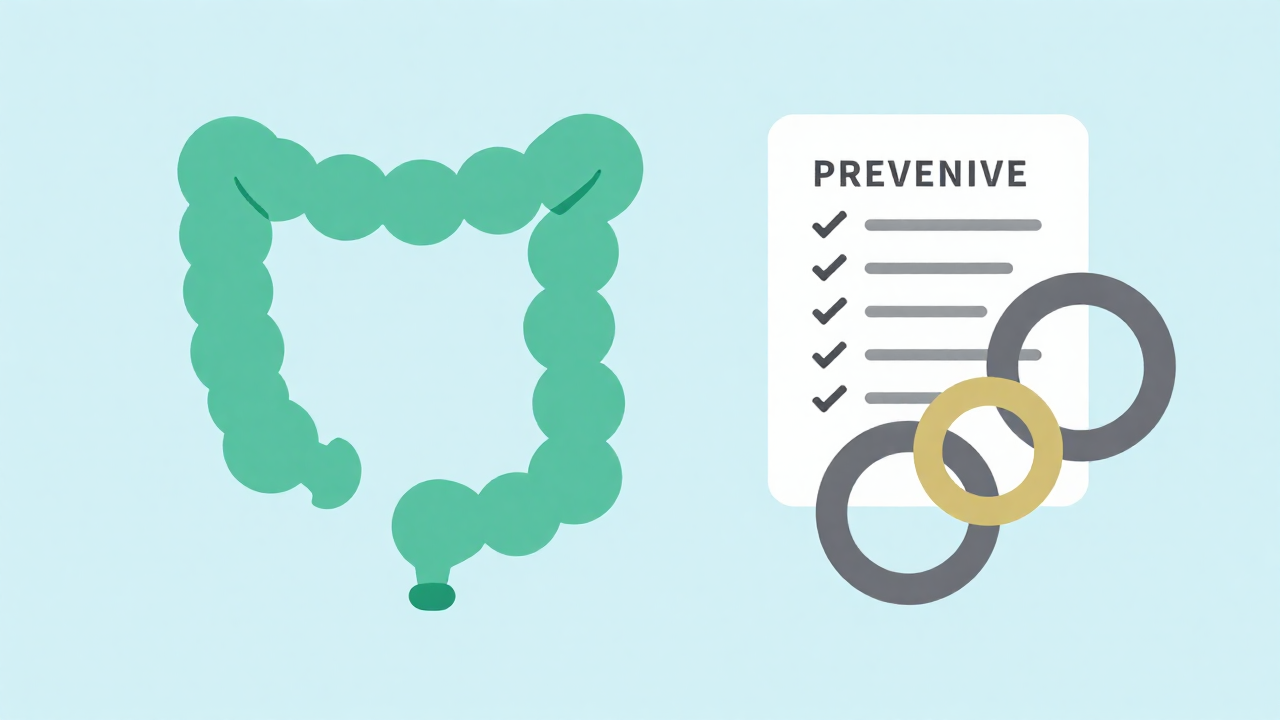
March is a time to come together and shine a light on Colorectal Cancer Education and Awareness Month, a dedicated period to raise awareness about this critical health issue. Colorectal cancer, which affects the colon and rectum, is one of the most common cancers, yet it remains a topic that many shy away from discussing. This month encourages communities, healthcare professionals, and individuals to engage in meaningful conversations about prevention, early detection, and treatment options. By sharing knowledge and resources, we can empower each other to take proactive steps toward a healthier future.
Throughout March, various organizations and advocates host events, workshops, and campaigns aimed at educating the public about colorectal cancer. These efforts are designed to demystify the disease, dispel myths, and promote screenings that can save lives. Whether by hosting a local awareness event, sharing personal stories, or simply having a conversation with loved ones, everyone can contribute to the mission of reducing the impact of this disease. Together, we can foster an environment of support and understanding, ensuring that colorectal cancer is no longer a silent struggle, but a shared journey toward health and hope.
History
Colorectal Cancer Education and Awareness Month has its origins rooted in the need to raise awareness about colorectal cancer, which is one of the leading causes of cancer-related deaths worldwide. The observance began in the early 2000s as part of a broader effort to educate the public about the importance of early detection and prevention of this disease. Organizations such as the American Cancer Society and the Colorectal Cancer Alliance played pivotal roles in promoting awareness campaigns, emphasizing the need for regular screenings and healthy lifestyle choices to reduce risk factors associated with colorectal cancer.
Over the years, Colorectal Cancer Education and Awareness Month has evolved into a significant platform for advocacy and education. Campaigns during this month often focus on dispelling myths about the disease, highlighting the importance of screening for individuals beginning at age 45, and promoting resources available for those affected by colorectal cancer. As the understanding of the disease has grown, so too has the conversation around it, with an increasing emphasis on the role of diet, exercise, and family history in determining individual risk levels.
The cultural significance of this observance cannot be overstated. It serves as a critical reminder of the impact of colorectal cancer on individuals and families, fostering a sense of community among those affected. Various events, such as walks, runs, and educational seminars, are organized throughout March to engage the public and promote dialogue about the disease. This heightened awareness has contributed to a gradual increase in screening rates and a corresponding decline in mortality rates, underscoring the effectiveness of collective action in addressing public health issues.
As societal attitudes towards cancer awareness continue to shift, Colorectal Cancer Education and Awareness Month stands out as a dedicated time for individuals to reflect on their health and the importance of preventative measures. The observance not only honors those who have battled colorectal cancer but also instills a sense of hope for future advancements in treatment and prevention. Ultimately, this month serves as a crucial reminder of the need for ongoing education and advocacy in the fight against colorectal cancer.